
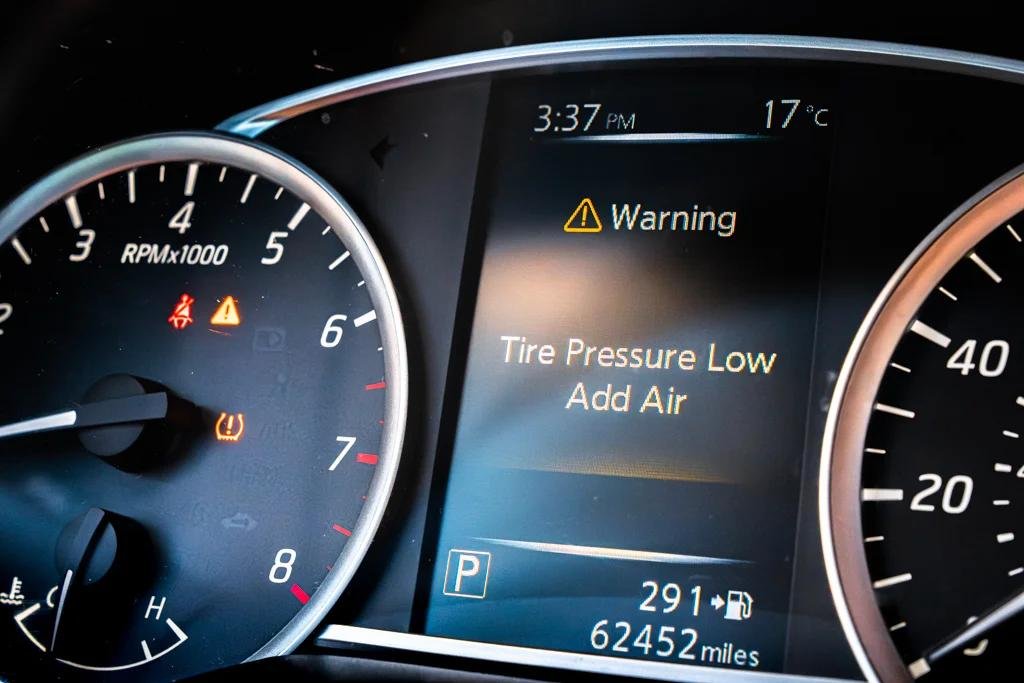
Tire Pressure Warning Light ON: 7 Common Causes, Symptoms & Easy Fixes
Why is your Tire Pressure Warning Light ON? Learn about common causes, warning signs, diagnosis steps and simple fixes to keep your vehicle safe and your tires in perfect condition.
Introduction
The Tire Pressure Warning Light is part of your vehicle’s Tire Pressure Monitoring System (TPMS), which is designed to alert you when one or more of your tires is improperly inflated or when there is a problem with the TPMS system.

Ignoring the light can lead to poor vehicle handling, irregular tire wear, poor fuel efficiency and in extreme cases, tire failure. Diagnosing and repairing causes early helps maintain vehicle safety and performance.
What Does The Tire Pressure Warning Light Indicate?
TPMS Warning: An Explanation
Your Tire Pressure Warning Light indicates the TPMS has identified a problem with a tire’s air pressure being either over or under the recommended level or a problem with a system sensor.
The cause of the warning can be:
Tire Pressure Low
Most of the time, air loss is caused by temperature differences, minor leaks, or just the natural loss of pressure over time.
TPMS sensor problems
A bad sensor or weak internal battery can cause false tire pressure warnings.
Communication Issues
Electrical problems or problems with the TPMS module can prevent the proper tire pressure data from reaching the vehicle’s computer.
7 Common Reasons Your Tire Pressure Light Is On

1. Lack of air in tires
Most commonly the warning light is due to low air pressure. Driving on under inflated tires can affect braking, steering and fuel economy.
2. Quick temperature changes
Cold Weather: Cold air contracts inside the tires, lowering pressure and triggering the TPMS warning.
3. Puncture or Slow Leak in a Tire
The warning light turns ON when a nail, damaged valve stem, or small puncture causes gradual loss of air.
4. Bad TPMS Sensor
TPMS sensors can fail due to age, physical damage or a weak internal battery.
5. Incorrect Tire Pressure Post Service
After tire rotation , tire replacement , or tire inflation , the TPMS may need to be reset to recognize the proper tire pressure values .
6. Flat Tire / Wheel
If the wheels are cracked, or the sidewalls of the tires are damaged, or the tires are not sealed well, air will leak out constantly.
7. Electric Problem/TPMS Module
If the tire pressure is correct and the warning is still on, it may be caused by wiring damage, communication failures, or faulty TPMS control module.

Symptoms Related to Tire Pressure Warning Light
Cautionary Signs
Drivers may observe the following symptoms:
Dashboard Notifications
- Tire pressure warning light came on
- A TPMS warning message was displayed
- TPMS light flashing in some vehicles
Driving Issues
- Vehicle pulling to the side
- Decreased steering stability
- Longer distance for stopping
- Unequal tire wear
Performance Problems
- More fuel consumption
- Poor ride quality
- Tire wear is increased
How To Diagnose Tire Pressure Light
Check Tire Air Pressure
Use a quality tire pressure gauge and compare the PSI reading to the recommended pressure on the sticker on the driver’s side door.

Check Tires for Damage
Search for:
- Nails or sharp things
- Cuts or cracks in the tire
- Sidewall damage
- Air leaking at the valve stem
Scan TPMS System
A TPMS diagnostic scanner can locate bad sensors, battery issues, and communication failures.
Check TPMS Sensors and Electrical Connections
Check the sensors, wiring and TPMS control module for proper operation.
How to Reset Tire Pressure Warning Light
Check the tire pressure and inflate to the recommended level.
Maintain all tires at the manufacturer’s recommended PSI level and check regularly.
Repair Punctured Tyres
Fix small holes or replace badly damaged tires to keep air from leaking.
Change out bad TPMS sensors
Change TPMS sensors if damaged or batteries dead.
Reset TPMS System
After adjusting tire pressure or replacing components, reset the TPMS according to the vehicle procedure.
TPMS Wiring or Control Module Repair
Repair any faulty electrical connections, or replace the TPMS module as needed.
Can I drive with the Tire Pressure Monitoring System (TPMS) warning light on?
Yes, you can potentially drive with the Tire Pressure Warning Light ON, but it is not recommended to ignore it.
If the light is caused by low tire pressure, driving on can cause excessive tire wear, reduced fuel economy, poor handling and a higher risk of a tire blowout. When the warning comes on, always check your tires immediately.
Concluding
The Tire Pressure Warning Light is an important safety feature that should not be ignored. Common causes are low tire pressure, temperature changes, tire leaks, bad TPMS sensors or electrical problems.

In most cases, a simple tire pressure check will correct the problem, but if the warning continues, a full TPMS diagnosis may be required. Proper tire pressure helps improve safety, tire life and overall vehicle performance.
Frequently Asked Questions (FAQ)
What does the Tire Pressure Warning Light indicate?
This warning means that the vehicle has detected low tire pressure or a fault in the Tire Pressure Monitoring System (TPMS).
What can turn ON the Tire Pressure Warning Light in cold weather?
Yes, cold temperatures can cause tire air pressure to drop and the T.P.M.S. warning light to come on.
How can I turn OFF the Tire Pressure Warning Light?
Make sure the tires are inflated to the correct PSI, repair any leaks, and reset the TPMS system if necessary.
Can I drive with Tire Pressure Warning Light ON?
Yes, but check your tires right away because low pressure can be a safety hazard.
How much does it cost to repair a Tire Pressure Warning Light issue?
The price depends on the cause. It could be as simple as adding air . TPMS sensor replacement or electrical repairs can be more expensive.
Read this – Air Flow at Idle Too Low Error P307800: 7 Causes, Symptoms & Fixes Explained
Read this – Maruti Suzuki Brezza 2026: कीमत, माइलेज, फीचर्स और लॉन्च डेट – क्या यह बनेगी 2026 की सबसे बेस्ट SUV?..
Read this – P307800 Fault Code: Throttle Valve Control Module Air Flow at Idle Too Low – Causes, Symptoms & Fixes