Tamil Nadu’s Electric Vehicle Journey: 7 Challenges & Opportunities in the State’s EV Race
Tamil Nadu EV Industry is leading India’s EV revolution, but there are deep technology gaps. Understand key challenges, opportunities, investments and future growth of Tamil Nadu’s EV sector.
Introduction (Tamil Nadu EV Industry)
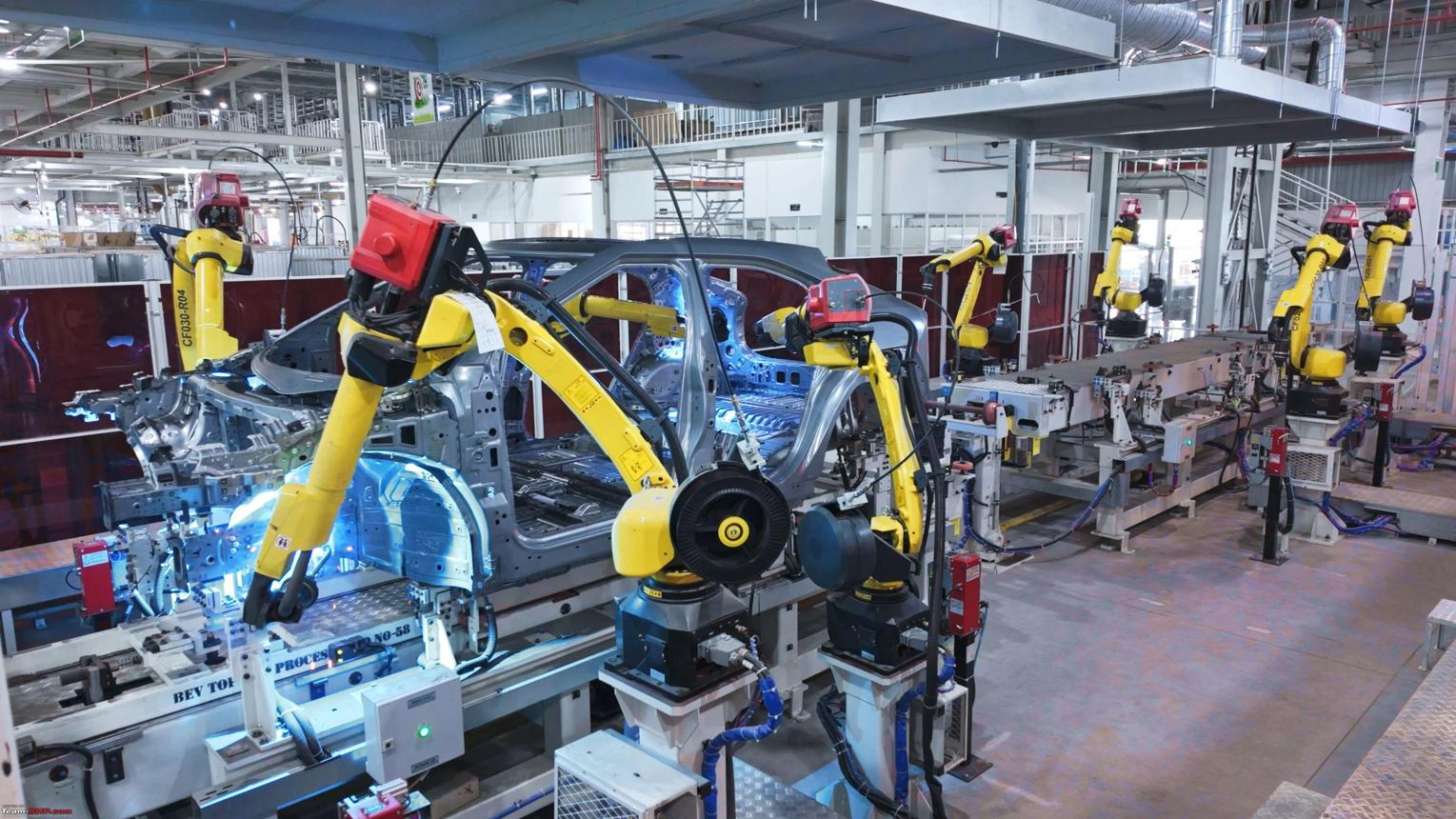
Tamil Nadu has become one of the biggest success stories in India’s EV transformation. The state has emerged as a major EV hub in the country with a strong automobile ecosystem, large scale manufacturing units, skilled manpower and supportive government policies.
The state contributes over 50% of India’s electric two-wheeler production and about 40% of the country’s total EV output. The state continues to attract investment from global and domestic manufacturers, reinforcing its position in the fast-growing EV market.
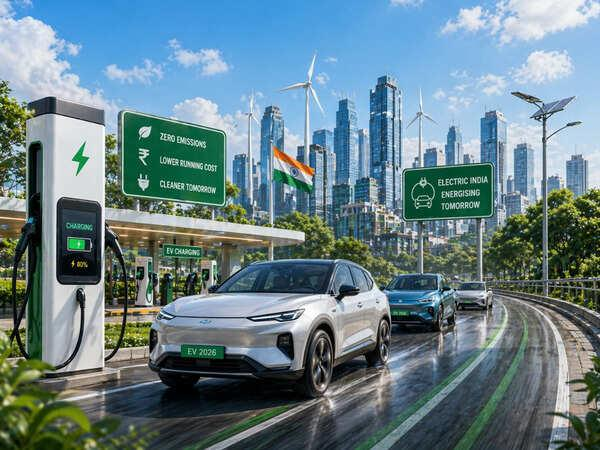
But despite this manufacturing success, the Tamil Nadu EV Industry still faces significant deep technology challenges. Stronger local capability is needed in areas such as advanced battery technology, semiconductor components, power electronics, EV software and high value research and development.
Why Is Tamil Nadu Driving India’s Electric Vehicle Revolution?
Automotive Strong Manufacturing Base (Tamil Nadu EV Industry)
Tamil Nadu has been known as the automobile manufacturing hub of India for long . The presence of established vehicle manufacturers, component suppliers and export-oriented facilities has helped the state move fast towards electric mobility.
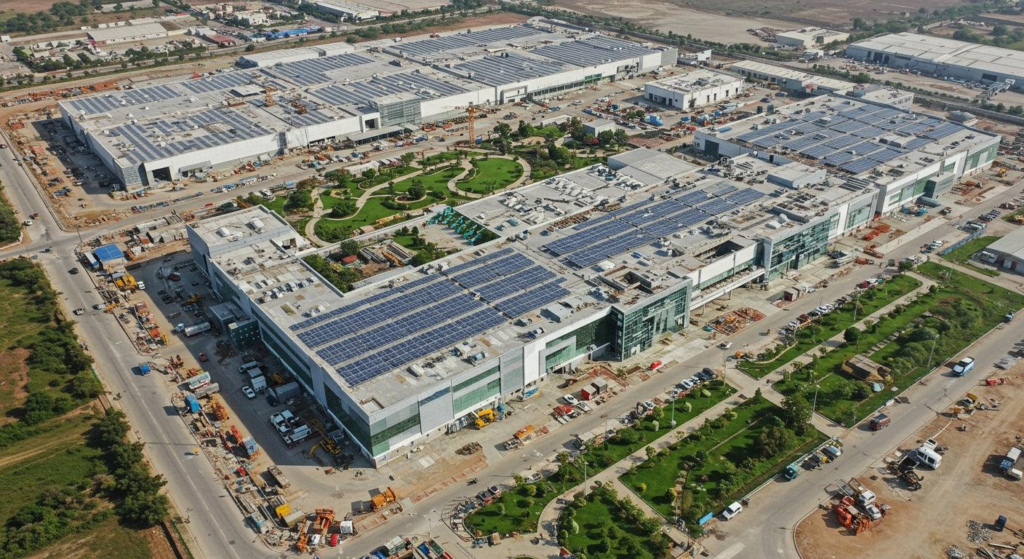
Battery assembly and localization efforts have ramped up the state’s EV-related activity among several major automakers.
government policies favorable (Tamil Nadu EV Industry)
The Tamil Nadu government has announced policies to attract EV manufacturers, component makers and technology firms.
Investment incentives, infrastructure development and faster approvals have helped the state attract significant EV investments and create thousands of jobs.
Grow EV Ecosystem (Tamil Nadu EV Industry)
The state has created a full ecosystem that includes:
- Car manufacturers
- Battery providers
- Automotive component manufacturers
- Charging infrastructure providers
- Research Organizations
- Trained workforce
This ecosystem gives a strong competitiveness to Tamil Nadu in the EV market of India.
Critical Deep Tech Gaps That Must Be Addressed Now
Reliance on Foreign Technology
A major challenge for the Indian EV industry is its reliance on foreign technology, particularly on advanced batteries, EV platforms and high-end components.
Indian manufacturers still depend on international technology partnerships to stay in the global game.
Battery Cell Technology and Production
While EV assembly is on the rise, local advanced battery cell and next-generation energy storage development continues to be a challenge.
We need to develop our own battery technology to cut imports and to compete with the world.
Challenges in Semiconductor and Power Electronics
Modern EVs rely heavily on semiconductors, controllers and sophisticated power electronics.
In these areas, the lack of strong domestic manufacturing results in supply chain problems and more reliance on foreign suppliers.
Research and Development Constraints
Tamil Nadu needs to invest more in order to be a global leader in EV technology:
- Research in battery chemistry
- AI-based automotive technologies
- EV software development
- Future materials
- Intelligent manufacturing systems
Opportunities for EV Industry in Tamil Nadu
Becoming a Global EV Production Hub
Tamil Nadu’s existing automotive strength has the potential to make it an international EV manufacturing and export hub.
“Infrastructure, ports, skilled manpower and industrial networks together provide a strong base for future growth.
Local EV Supply Chain Development
Setting up local supply chains for batteries, electronics, motors and software can help reduce costs and improve self-reliance.
EV Startups and Innovation Emergence
Startups working on battery technology, charging solutions, AI mobility and energy management can make a big difference in closing the technology gap.
How Industry and Government Can Bridge the Gap
More investment in R&D
Increased investment in research centers, and industry-university collaborations, can speed up technological innovation.
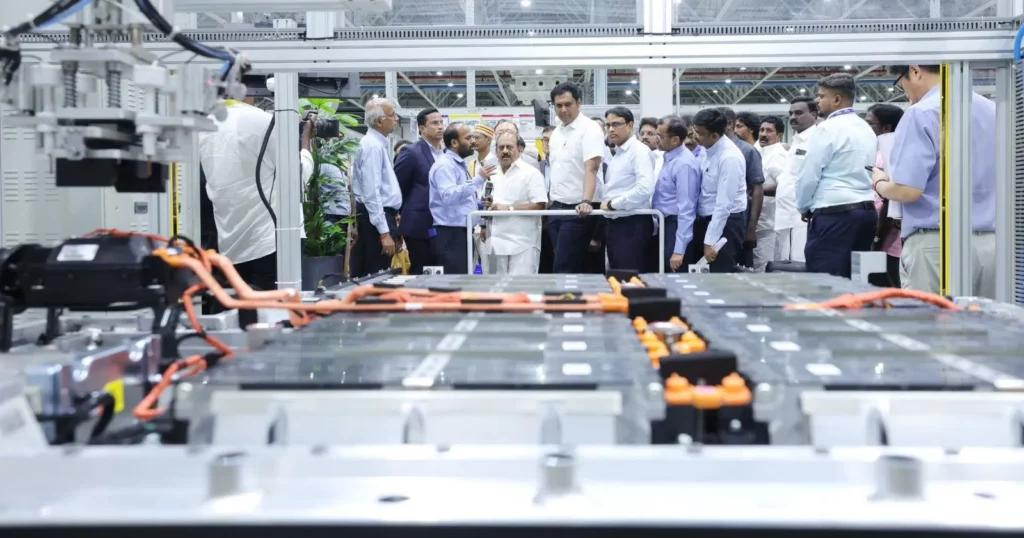
Building Talented Skills
The EV industry needs engineers and technicians trained in:
- Engineering of batteries
- AI
- Robotics
- – Embedded systems
- Software Automotive
Skill development programmes will be important for future growth.
Local manufacturing support
Policies aimed at boosting the local production of high value components can lessen reliance on imported technologies.
Future of Tamil Nadu EV Industry
The future of the Tamil Nadu EV Industry is bright. The state already has a huge advantage in manufacturing, infrastructure and investment.
But the next phase of growth will hinge on whether Tamil Nadu can move beyond the assembly of electric vehicles and build its own deep technologies, including batteries, software, electronics and intelligent mobility.
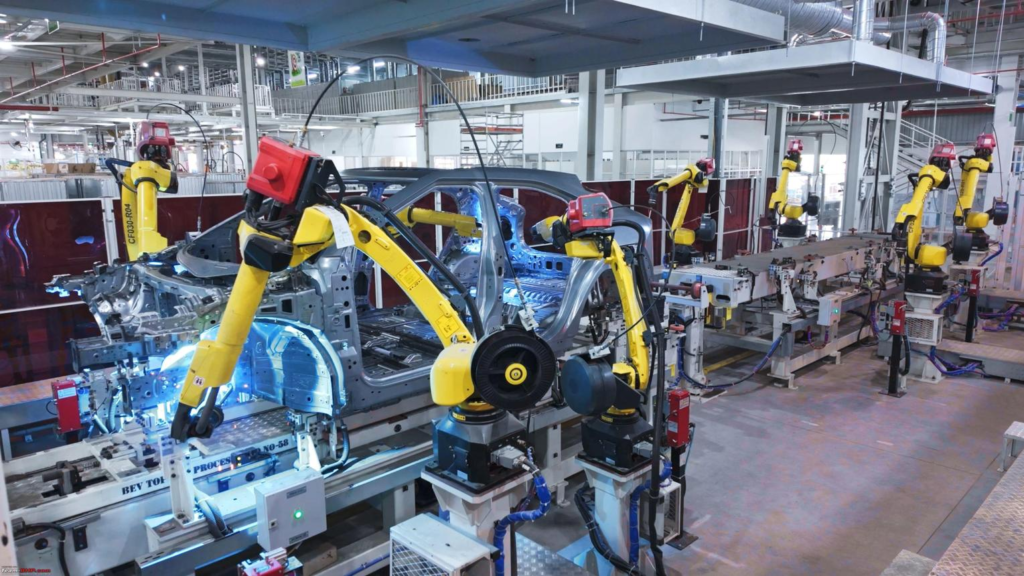
With the resolution of these issues, Tamil Nadu could emerge as the EV capital of India and the global hub of electric mobility innovation.
Conclusion (Tamil Nadu EV Industry)
Tamil Nadu’s position as a leader in the EV race in India speaks of the manufacturing prowess of the state and a strong industrial ecosystem. But big technology gaps remain a major challenge.
The future success of the Tamil Nadu EV Industry will rely on stronger research capabilities, local technology development, advance battery production and innovation driven investments.
Filling these gaps can firmly establish Tamil Nadu as a global leader in the electric vehicle revolution.
Frequently Asked Questions
Why is Tamil Nadu called India’s EV hub?
Tamil Nadu is a major EV manufacturing hub, accounting for more than half of India’s electric two-wheelers and nearly 40% of the country’s EV output.
What are the major challenges in Tamil Nadu EV industry?
The key challenges are foreign technology dependency, lack of battery cell manufacturing, semiconductor shortages and need for more R&D.
What technologies need to be developed in the EV sector?
We need more local development of battery technology, semiconductors, power electronics, AI software and advanced mobility solutions.
How can Tamil Nadu become a global leader in EVs?
This can be done through investment in research, developing local supply chains, improving skilled talent and encouraging innovation in EV technology.”
What’s the future for the Tamil Nadu’s EV industry?
Very promising future and strong manufacturing capabilities and investments.” But closing deep-tech gaps will be necessary to become a global tech leader.
Read this – Kia Overtakes Maruti Suzuki in This Vehicle Segment: A Wake-Up Call for India’s Largest Carmaker
Read this –Connected Car Features Explained : Everything You Need to Know
Read this – Maruti Suzuki Brezza 2026: कीमत, माइलेज, फीचर्स और लॉन्च डेट – क्या यह बनेगी 2026 की सबसे बेस्ट SUV?..