
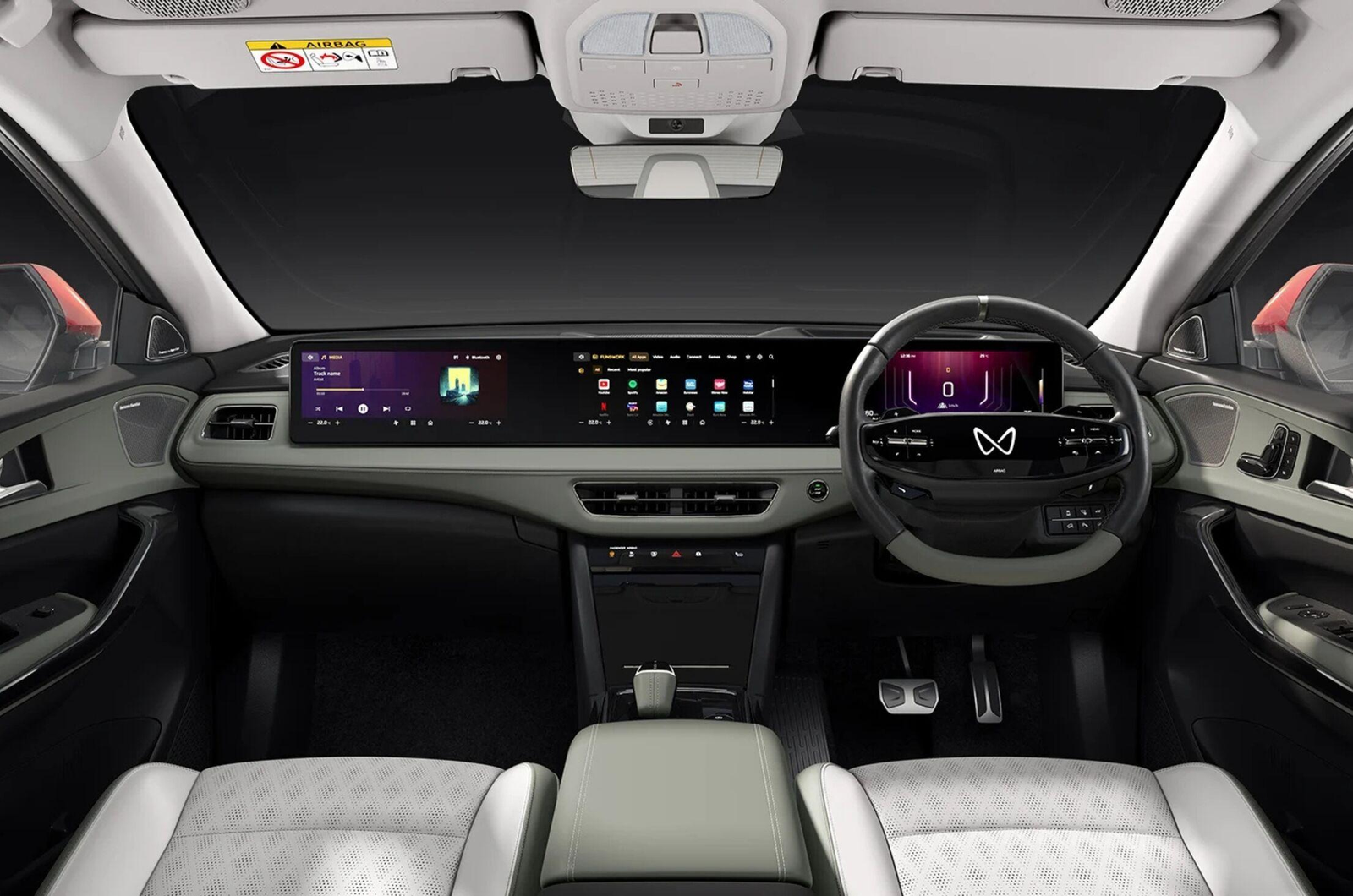
How much does it cost to drive 939 km in theMahindra XEV 9e running cost? Explore EV charging expenses, real-world range, efficiency and petrol-diesel savings.
Table of Contents
Introduction (Mahindra XEV 9e running cost)
Electric cars are changing how Indian motorists think about the cost of travelling long distances. While petrol and diesel vehicles require regular fuel stops, electric SUVs offer an alternative that can significantly reduce energy expenses, especially when charged at home.
The Mahindra XEV 9e is an interesting example. With its large battery, premium cabin and long-distance touring potential, it is designed to make electric mobility more practical for Indian families.
But what happens when you drive hundreds of kilometres in one journey? How much does charging actually cost, and can an electric SUV save money compared with a conventional petrol or diesel car?
A 939 km journey provides a useful way to explore these questions. The final expense depends on the vehicle’s actual efficiency, charging locations, electricity tariffs and the proportion of energy obtained from home versus public fast chargers.
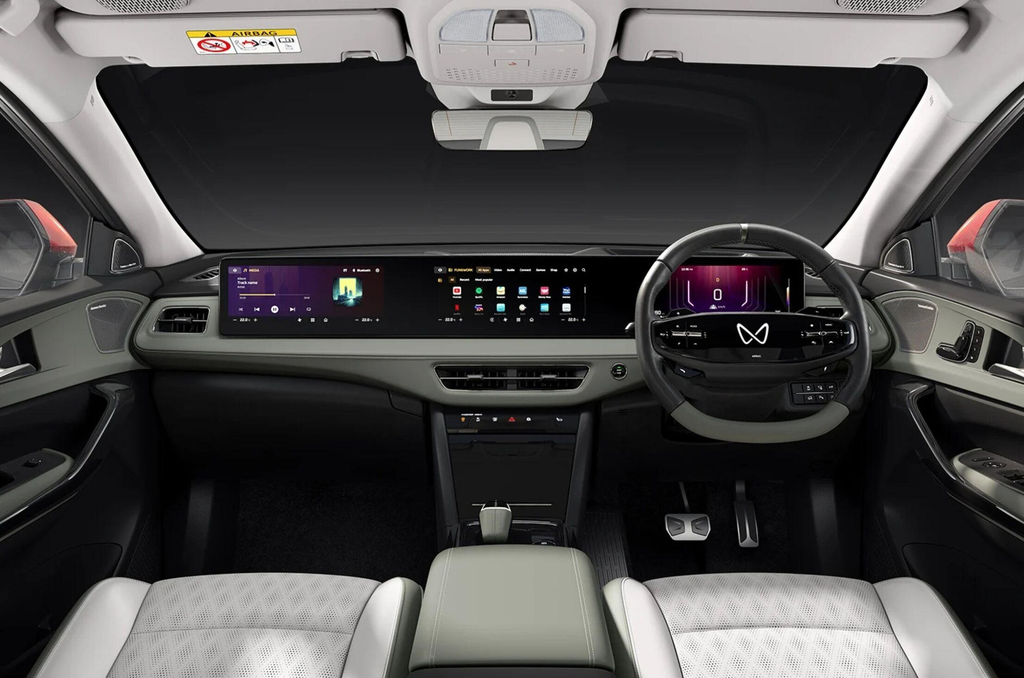
Mahindra XEV 9e running cost: Battery, Range and Efficiency
The Mahindra XEV 9e is available with 59kWh and 79kWh battery options. The larger battery is particularly relevant for long-distance driving because it offers a higher certified range and reduces the frequency of charging stops.
Here are the key specifications of the electric SUV.
| Specification | Mahindra XEV 9e |
|---|---|
| Battery options | 59kWh and 79kWh |
| Certified range | Up to 656km (79kWh) |
| Real-world range | Around 400–500km, depending on conditions |
| Drivetrain | Rear-wheel drive |
| DC fast charging | Up to 180kW on the 79kWh version |
| Seating capacity | 5 passengers |
The certified range is measured under standardised test conditions (Mahindra XEV 9e running cost). Actual range varies with speed, traffic, air-conditioning use, road gradients, tyre pressure and driving style.
What Did It Cost to Drive 939 km?
The main attraction of driving an electric SUV over a long distance is its potential energy-cost advantage. However, the actual charging bill for a specific 939 km trip cannot be established without the recorded charging receipts or the original road-test figures.
We can still estimate the expense using published real-world efficiency figures for the 79kWh XEV 9e. Autocar India recorded a combined efficiency of 5.78km/kWh in its road test.
Using that figure, the estimated energy requirement for 939km would be:
\[ 939 \div 5.78 \approx 162.5\text{ kWh} \]
Here is how the estimated cost changes with the charging rate.
Estimated charging expense for 939 km
Home charging at ₹8/kWh
₹1,300
Public charging at ₹15/kWh
₹2,438
Illustrative estimates based on 162.5kWh of battery energy at assumed electricity rates. Actual wall electricity consumption may be higher because of charging losses. These are not the verified expenses of the reported journey (Mahindra XEV 9e running cost).
The difference highlights why charging strategy matters. Drivers who can charge primarily at home may spend substantially less than those who rely on public fast-charging stations throughout a road trip.
Home Charging vs Public Fast Charging
Charging at home is usually the economical option for daily use. Overnight charging can also make it convenient to begin a journey with a full battery. The exact savings depend on the local electricity tariff and charging losses (Mahindra XEV 9e running cost).
Fast chargers are useful during highway journeys because they reduce waiting time. However, public charging can cost more per unit than home electricity. Charging speeds may also decrease as the battery approaches a high state of charge (Mahindra XEV 9e running cost).
Owner-reported figures published by Team-BHP illustrate this difference. One XEV 9e owner calculated running costs of approximately ₹1.51/km using AC charging and ₹3.77/km using DC fast charging, based on assumed tariffs of ₹10 and ₹25 per unit respectively.
These are individual ownership calculations, not universal rates or the confirmed costs of a 939km journey.
How Much Could You Save Compared With Petrol or Diesel?
To understand the potential savings, consider a conventional vehicle travelling the same 939km.
The following comparison uses illustrative fuel prices and mileage figures rather than actual trip expenses.
| Vehicle type | Assumed efficiency | Assumed price | Cost for 939km |
|---|---|---|---|
| Mahindra XEV 9e, home charging | 5.78km/kWh | ₹8/kWh | ₹1,300 |
| Petrol SUV | 12km/litre | ₹100/litre | ₹7,825 |
| Diesel SUV | 16km/litre | ₹90/litre | ₹5,282 |
On these assumptions, the XEV 9e could save approximately ₹6,525 compared with the petrol SUV and ₹3,982 compared with the diesel SUV in energy costs alone.
These figures exclude charging losses, tolls, maintenance, depreciation and other ownership expenses. Actual savings depend on the vehicles being compared and their real-world consumption.
Is the Mahindra XEV 9e Suitable for Long Road Trips?
The XEV 9e has the battery capacity and charging capability to make intercity travel practical, but planning remains important.
Before starting a long journey, drivers should:
- Check charging stations along the intended route.
- Keep a reasonable battery reserve before reaching a charger.
- Account for higher energy consumption at sustained highway speeds.
- Check whether charging stations are operational and compatible.
- Allow extra time for charging and unexpected delays.
Autocar India’s testing found a real-world range of approximately 456km for the 79kWh version under its test conditions. Highway range can differ depending on speed, weather and terrain.
For a 939km trip, this means drivers should plan for charging stops rather than assume the SUV can complete the entire journey on one charge.
Frequently Asked Questions (FAQs)
1. What is the charging cost of the Mahindra XEV 9e for 939km?
Using an assumed efficiency of 5.78km/kWh and a home electricity rate of ₹8 per unit, the estimated cost is approximately ₹1,300 before charging losses. The actual cost may differ.
2. What is the real-world range of the Mahindra XEV 9e?
The 79kWh version achieved approximately 456km in Autocar India’s combined real-world test. Driving conditions and speeds affect the actual range.
3. How much electricity does the XEV 9e need to cover 939km?
At an efficiency of 5.78km/kWh, it would require approximately 162.5kWh of battery energy.
4. Is home charging cheaper than public charging for the XEV 9e?
Generally, yes. Home electricity tariffs are often lower than public DC fast-charging rates, although the difference varies by location and charging provider.
5. How many charging stops are needed for a 939km journey?
The number depends on the starting battery level, usable range, route and charging opportunities. A journey of this distance will generally require multiple charging sessions if the SUV’s real-world range is around 400–500km.
6. What is the battery capacity of the Mahindra XEV 9e?
The SUV is offered with 59kWh and 79kWh battery options.
7. Is the Mahindra XEV 9e cheaper to run than a petrol SUV?
It can be significantly cheaper in energy costs, especially with home charging. Total savings depend on electricity rates, petrol prices, vehicle efficiency and ownership expenses.
Conclusion
Driving 939km in the Mahindra XEV 9e offers an opportunity to see why electric SUVs are attracting Indian buyers. Their running costs can be considerably lower than those of petrol and diesel vehicles, especially when most charging takes place at home.
Using published test efficiency of 5.78km/kWh, a 939km journey would require approximately 162.5kWh of battery energy, translating to around ₹1,300 at an assumed home-charging rate of ₹8 per unit. Public fast charging can raise the total substantially.
The important distinction is that this is an illustrative calculation, not a verified bill from the specific 939km drive. The actual cost depends on the recorded energy consumed and the charging rates paid along the way.
Also read-
Maruti Suzuki Brezza 2026: कीमत, माइलेज, फीचर्स और लॉन्च डेट – क्या यह बनेगी 2026 की सबसे बेस्ट SUV?
2026 Skoda Slavia Facelift Review: 8 Important Things to Know
Hyundai Creta EV Test Drive Review: Can It Convert a Petrolhead?
Toyota Vellfire and Land Cruiser Pricing in India: Why So Expensive?