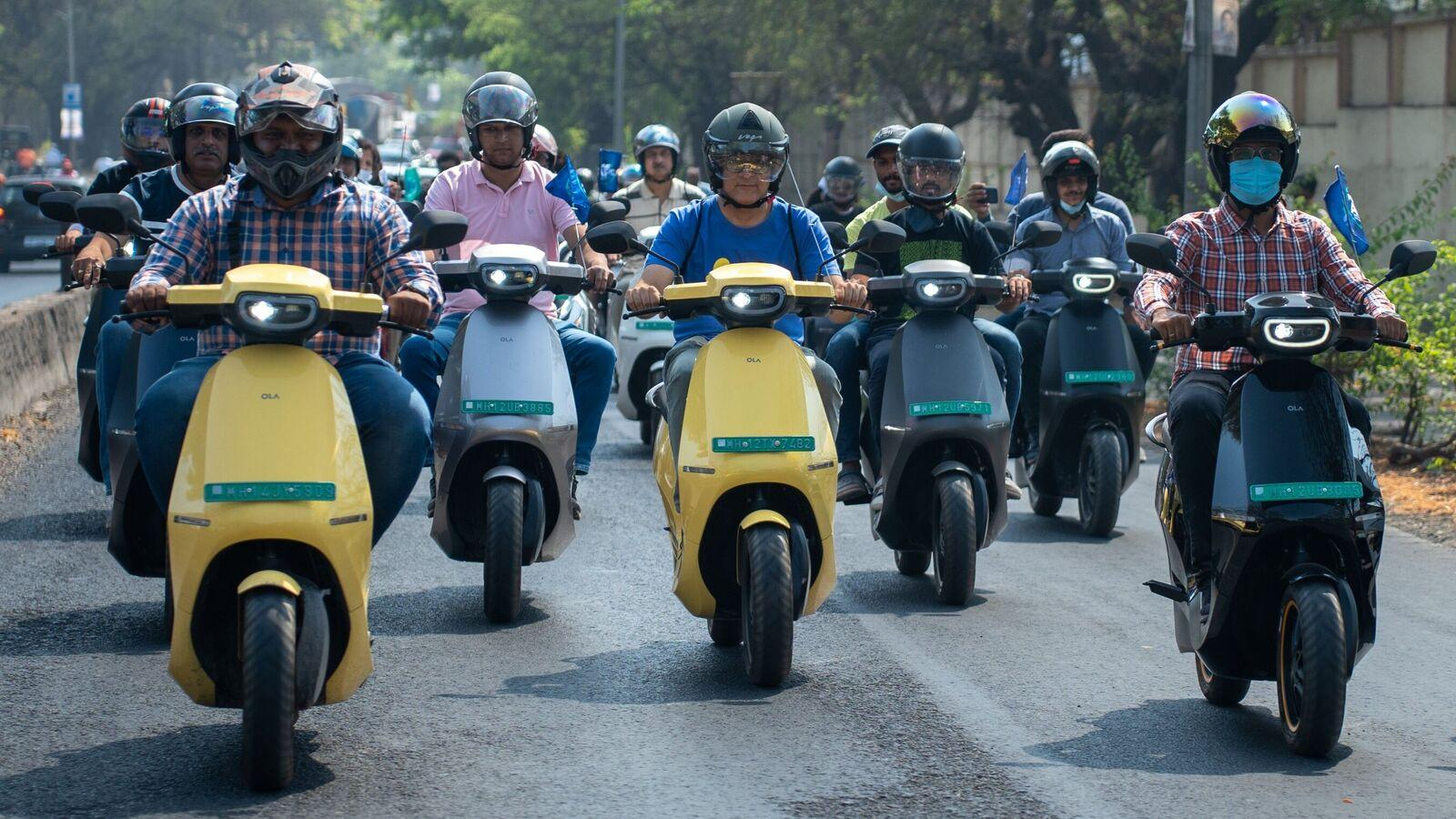
A new BCG report reveals that 43% of Indian two-wheeler buyers are considering EVs. Explore electric scooter sales, consumer trends and key challenges.
Table of Contents
Introduction (43% of Indian two-wheeler buyers are considering EVs)
India’s electric vehicle market is gaining momentum, and electric two-wheelers are becoming an increasingly popular choice among consumers. According to a new report by Boston Consulting Group, 43% of Indian two-wheeler buyers are actively considering an electric vehicle for their next purchase in 2026, compared with 30% in 2024.
The findings suggest that electric scooters and motorcycles are moving beyond early adopters and attracting mainstream buyers. Lower running costs, improved designs, better performance and expanding product choices are helping electric mobility gain acceptance across India.
However, challenges surrounding battery life, long-term reliability, rough-road performance and highway suitability continue to influence purchasing decisions.
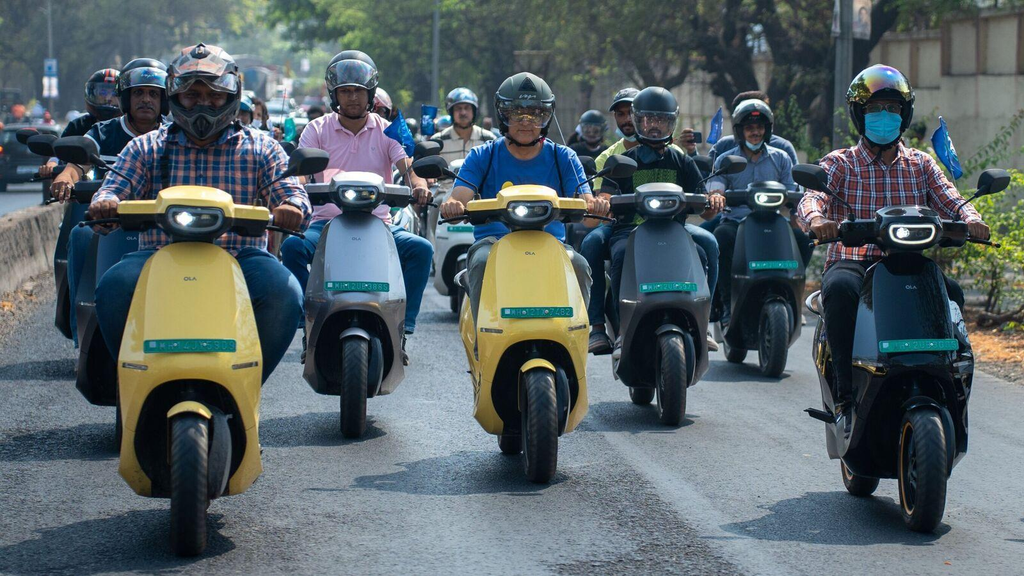
43% of Indian two-wheeler buyers are considering EVs
The latest BCG report, titled Electric in Charge: How India’s Electric Two-Wheelers Are Moving into the Mainstream, highlights a major shift in consumer attitudes towards electric mobility.
The study surveyed 1,600 existing and prospective two-wheeler consumers across metropolitan and non-metropolitan India. It found that the share of buyers actively considering an electric two-wheeler increased from 30% in 2024 to 43% in 2026.
The findings also indicate that consumers who completely reject electric two-wheelers have become fewer.
| Key finding | Earlier figure | Latest figure |
|---|---|---|
| Buyers considering electric two-wheelers | 30% in 2024 | 43% in 2026 |
| Consumers rejecting electric two-wheelers | 38% in 2024 | 29% in 2026 |
| EV share of overall two-wheeler sales | 5.5% in FY24 | 9.9% in FY27 to August 2026 |
| EV share of scooter sales | 16.8% in FY24 | 24.1% in FY27 to August 2026 |
Source: BCG report and related reporting. Sales figures refer to different financial-year periods and should not be confused with purchase-intention survey results (43% of Indian two-wheeler buyers are considering EVs).
Electric Scooter Sales Continue to Grow in India
Electric scooters are becoming a more visible part of India’s two-wheeler market (43% of Indian two-wheeler buyers are considering EVs). According to the BCG findings, electric two-wheelers accounted for 9.9% of overall two-wheeler sales in FY27 through August 2026, while electric scooters represented 24.1% of scooter sales.
Several factors are supporting this growth:
- Lower running costs: Electric scooters generally cost less to run per kilometre than comparable petrol models.
- Reduced routine maintenance: Electric powertrains have fewer moving parts than conventional petrol engines.
- Improved styling: Modern electric scooters increasingly offer attractive designs and practical features.
- Better acceleration: Electric motors deliver instant torque, which is useful in city traffic.
- More choices: Buyers can choose from an expanding selection of electric scooters and motorcycles.
Electric scooters have also recorded strong long-term growth. BCG reports a compound annual growth rate of 54% between FY22 and FY26, significantly ahead of petrol scooters over the same period.
Why Are More Indian Buyers Interested in EVs?
The growing interest in electric two-wheelers is not driven by cost alone. Consumers are increasingly evaluating the overall ownership experience, including design, comfort, performance and convenience.
For daily commuters travelling relatively short distances, electric scooters can offer a practical alternative to petrol-powered vehicles. Home charging can also reduce the need for frequent visits to fuel stations, provided the buyer has suitable charging access (43% of Indian two-wheeler buyers are considering EVs).
The BCG report further suggests that riding requirements are becoming more important than traditional consumer categories such as age or income (43% of Indian two-wheeler buyers are considering EVs). A delivery rider, a college student and a daily office commuter may need very different combinations of range, storage, durability and performance.
This creates an opportunity for manufacturers to develop products that suit specific customer needs instead of relying on a single electric scooter formula.
Challenges That Still Affect EV Adoption
Despite growing interest, electric two-wheelers have not completely overcome consumer concerns.
Battery life and long-term reliability: Some buyers remain uncertain about battery degradation, replacement costs and how electric vehicles will perform after years of use.
Rough-road performance: Riders in smaller towns and areas with poor road conditions may need stronger suspension, better ground clearance and durable components.
Highway capability: Some electric scooters are better suited to city commutes than longer journeys involving sustained high speeds.
Charging access: Buyers without convenient home charging may find daily charging less practical.
Service and resale value: The availability of qualified service centres, battery warranties, spare parts and reliable resale options can influence purchase decisions.
BCG notes that real-world ownership experiences are often more positive than consumers initially expect, but questions about long-term durability remain (43% of Indian two-wheeler buyers are considering EVs).
What Does the BCG Report Mean for India’s EV Industry?
The findings have important implications for electric two-wheeler manufacturers, dealerships and the wider automotive industry.
Manufacturers need to focus on more than headline range figures and introductory prices. Buyers also want dependable batteries, accessible servicing, comfortable suspension, useful storage and confidence in the vehicle’s long-term value.
Established automotive brands and newer EV companies will need to build consumer trust throughout the ownership journey. Better after-sales support, transparent warranty terms and practical charging solutions could help convert interest into actual purchases.
For India’s EV industry, the next challenge is turning the growing number of interested consumers into satisfied long-term owners.
Frequently Asked Questions (FAQs)
1. What percentage of Indian two-wheeler buyers are considering EVs?
According to BCG’s 2026 report, 43% of surveyed Indian two-wheeler buyers are actively considering an electric two-wheeler for their next purchase, up from 30% in 2024.
2. What is the name of the latest BCG EV report?
The report is titled Electric in Charge: How India’s Electric Two-Wheelers Are Moving into the Mainstream.
3. What percentage of two-wheeler sales are electric in India?
Electric two-wheelers accounted for 9.9% of overall two-wheeler sales in FY27 through August 2026, according to BCG.
4. What is the market share of electric scooters in India?
Electric scooters accounted for 24.1% of scooter sales in FY27 through August 2026, compared with 16.8% in FY24.
5. Why are Indian consumers considering electric scooters?
Lower running costs, reduced routine maintenance, convenient charging, modern styling and responsive acceleration are among the key attractions.
6. What are the biggest challenges facing electric two-wheelers?
Key concerns include battery longevity, rough-road capability, highway performance, charging access, service availability and resale value.
7. How many consumers participated in the BCG survey?
The research included 1,600 existing and prospective two-wheeler consumers across metropolitan and non-metropolitan India.
8. Are electric scooters replacing petrol scooters in India?
Electric scooters are gaining market share, but petrol scooters remain important. The figures indicate growing adoption rather than the complete replacement of petrol-powered vehicles.
Conclusion
The BCG report shows that electric two-wheelers are gaining acceptance among Indian consumers. The share of buyers actively considering an EV has risen from 30% in 2024 to 43% in 2026, while the electric share of scooter sales has reached 24.1% in FY27 through August.
Lower running costs, improved designs and better everyday usability are helping electric scooters attract a wider audience. Nevertheless, battery longevity, rough-road performance, highway suitability and after-sales support remain important considerations.
The direction is clear: electric two-wheelers are becoming a mainstream option in India. The industry’s next big task is to deliver the reliability and ownership confidence needed to turn consumer interest into sustained adoption.
Also read-
Maruti Suzuki Brezza 2026: कीमत, माइलेज, फीचर्स और लॉन्च डेट – क्या यह बनेगी 2026 की सबसे बेस्ट SUV?
2026 Skoda Slavia Facelift Review: 8 Important Things to Know
Hyundai Creta EV Test Drive Review: Can It Convert a Petrolhead?
Toyota Vellfire and Land Cruiser Pricing in India: Why So Expensive?