
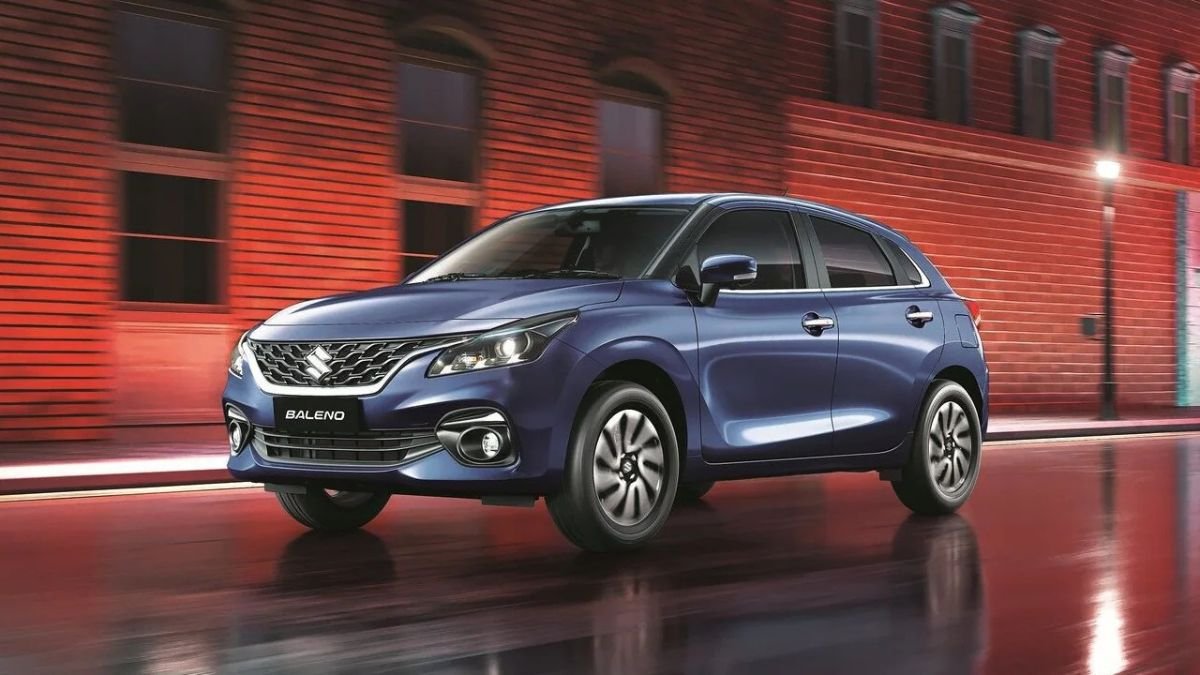
New Maruti Baleno 2026: The new Maruti Suzuki Baleno is set to receive its first major update in more than four years, with the facelift expected to arrive in India on September 5, 2026. The premium hatchback is likely to get revised styling, additional features, and important changes to its powertrain lineup. Maruti Suzuki could also introduce some features that are currently uncommon in this segment.
The biggest talking points include a possible new three-cylinder petrol engine, an AMT gearbox with the factory-fitted CNG version, ventilated front seats, and an expected ADAS package. These changes could make the Baleno more appealing to buyers looking for better convenience, efficiency, and safety without moving into a larger SUV.
New Maruti Baleno 2026
| Feature | New Maruti Suzuki Baleno 2026 |
|---|---|
| Expected Launch Date | September 5, 2026 |
| Segment | Premium Hatchback |
| Petrol Engine | Expected 1.2L 3-Cylinder Z-Series |
| Transmission | 5-Speed Manual / Expected AMT |
| CNG Option | Expected |
| CNG Automatic | Expected CNG-AMT |
| Expected CNG-AMT Variants | Delta and Zeta |
| Infotainment | 9-Inch Touchscreen |
| Expected ADAS | Forward Collision Warning, AEB, Lane Assistance |
| Front Seats | Expected Ventilated Seats |
| Sunroof | Expected Single-Pane Sunroof |
| Interior Updates | New Upholstery, Dual-Tone Theme, Ambient Lighting |
| Exterior Updates | Revised Grille, Bumper and Alloy Wheels |
| Rivals | Tata Altroz, Hyundai i20, Toyota Glanza |
| Expected Price | Slightly Higher Than Current Model |
| Status | Upcoming / Expected |
New Baleno Launch Date and Expected Changes

Maruti Suzuki is expected to launch the updated Baleno on September 5, 2026. The upcoming facelift will mark the first substantial update to the second-generation Baleno, which has been on sale for more than four years. While the overall silhouette is expected to remain familiar, several exterior and interior elements could receive updates.
The company is also expected to focus heavily on equipment rather than making dramatic changes to the design. With new technology and potentially revised powertrain options, the facelift could help the Baleno remain competitive against rivals such as the Tata Altroz, Hyundai i20, and Toyota Glanza.
Revised Exterior Design
The front end is expected to receive the most noticeable styling changes. The redesigned grille could feature a horizontal chrome element connecting the headlamp units, giving the Baleno a wider appearance. The existing boomerang-shaped LED daytime running lamps are expected to continue, while a redesigned bumper could complete the updated front profile.
Changes at the side could be relatively limited, with new alloy wheels expected to provide the main visual update. At the rear, Maruti Suzuki could introduce a redesigned bumper while retaining the existing tail-lamp design, roof spoiler, and rear wiper. This approach would allow the company to refresh the Baleno without changing its familiar overall shape.
Possible New Petrol Engine
One of the more important mechanical changes could involve the petrol engine. The current 1.2-litre naturally aspirated four-cylinder unit may be replaced by a three-cylinder Z-Series engine already used in newer Maruti Suzuki models such as the Swift and Dzire.
The move could help Maruti Suzuki improve efficiency and standardise its newer engine technology across multiple models. However, the final engine specifications and tuning for the Baleno facelift have not been fully confirmed. The company could also make changes to the engine depending on the variant and transmission combination.
CNG Could Get an AMT Gearbox
The introduction of an AMT gearbox with the factory-fitted CNG version could be one of the biggest changes to the Baleno lineup. If introduced as expected, it would give customers an easier automatic driving experience while retaining the lower running-cost advantage associated with CNG.
The CNG-AMT combination is expected to be offered on the Delta and Zeta variants. A five-speed manual gearbox is also likely to continue. This could make the Baleno more attractive to city buyers who want CNG efficiency but prefer not to operate a manual clutch in heavy traffic.
Interior and Feature Updates
The basic dashboard layout is expected to remain largely unchanged, with spy images suggesting the continuation of the nine-inch touchscreen infotainment system, trapezoidal air-conditioning vents, and three-spoke steering wheel. However, Maruti Suzuki could give the cabin a fresher appearance through new upholstery and a revised dual-tone interior theme.
Ambient lighting could also be introduced as part of the facelift, while a single-pane sunroof may join the equipment list. These additions would give the Baleno a more premium feel without requiring a completely redesigned dashboard. The focus appears to be on improving the overall cabin experience through additional convenience features.
Five key highlights expected on the new Baleno
- Expected launch on September 5, 2026
- Possible new three-cylinder Z-Series petrol engine
- CNG variant could get an AMT gearbox
- Ventilated front seats may be introduced
- ADAS features could be added for improved safety
ADAS Could Be the Biggest Technology Upgrade
Advanced Driver Assistance Systems could become one of the headline features of the updated Baleno. If introduced, the premium hatchback could receive technologies such as forward collision warning, autonomous emergency braking, and lane-related assistance.
ADAS would represent a significant technology upgrade for the Baleno and could give it an advantage over several competitors. However, the exact features and availability across variants have not been officially confirmed yet. Maruti Suzuki may reserve some of the advanced functions for higher-spec versions.
Ventilated Seats and Other New Features
Ventilated front seats are also expected to become available on the Baleno for the first time. This feature could be particularly useful in India’s hot weather, providing additional comfort during longer journeys and daily commuting.
Other equipment additions could include ambient lighting, a sunroof, and updated interior materials. Combined with the existing touchscreen infotainment system and other convenience features, these upgrades could make the Baleno feel more premium while keeping its familiar cabin layout.
Expected Variants and Pricing
The overall variant structure is expected to remain similar to the current Baleno lineup, although the addition of a CNG-AMT combination could change the positioning of some mid-spec versions. Offering the automatic transmission with CNG could also make higher variants more attractive to buyers who want both efficiency and convenience.
The updated Baleno is expected to receive a minor price increase compared with the current model. Maruti Suzuki has not yet announced the final pricing, so buyers will need to wait until the official launch for confirmed figures. The final price will also depend on the selected variant, engine, and transmission.
New Baleno vs Competition
The facelifted Baleno will continue to compete in the premium hatchback category against models such as the Tata Altroz, Hyundai i20, and Toyota Glanza. Its combination of Maruti Suzuki’s established market presence, multiple powertrain options, and expected feature additions could keep it competitive.
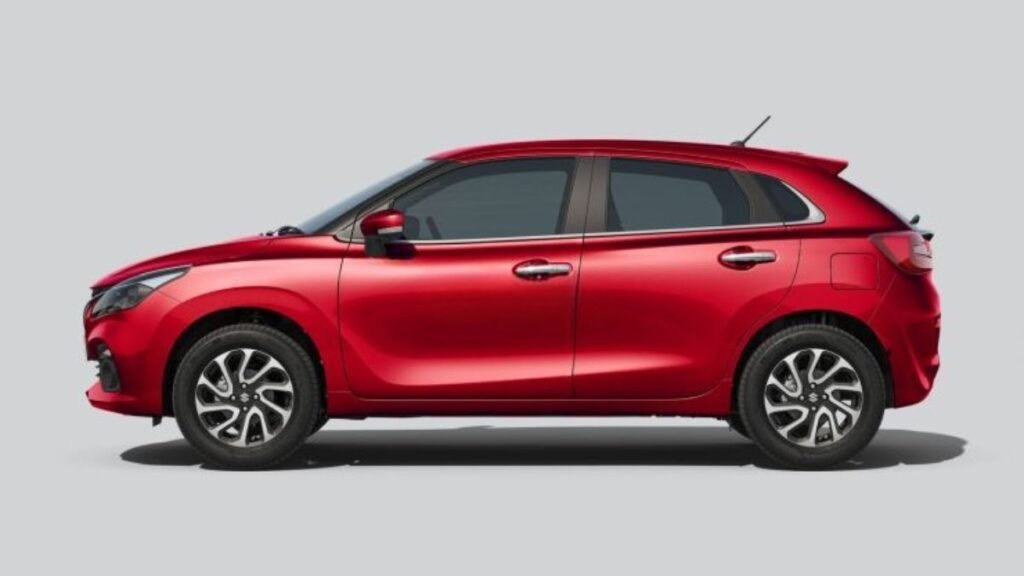
The potential CNG-AMT combination could become one of its strongest selling points, particularly for urban customers. Meanwhile, the possible introduction of ADAS, ventilated seats, and a sunroof could help the Baleno appeal to buyers who want more technology and comfort in a compact package.
Disclaimer: This article is based on currently available reports, spy information, and expected specifications. Maruti Suzuki has not officially confirmed every feature, engine option, price, or equipment detail mentioned above. Final specifications, variants, pricing, and launch details may differ at the time of the official announcement.
Also read:
BMW iX3 LWB India: 919 Km Range, Price and Features
New Bajaj Pulsar 150 Launched: Price, Features and Specifications