
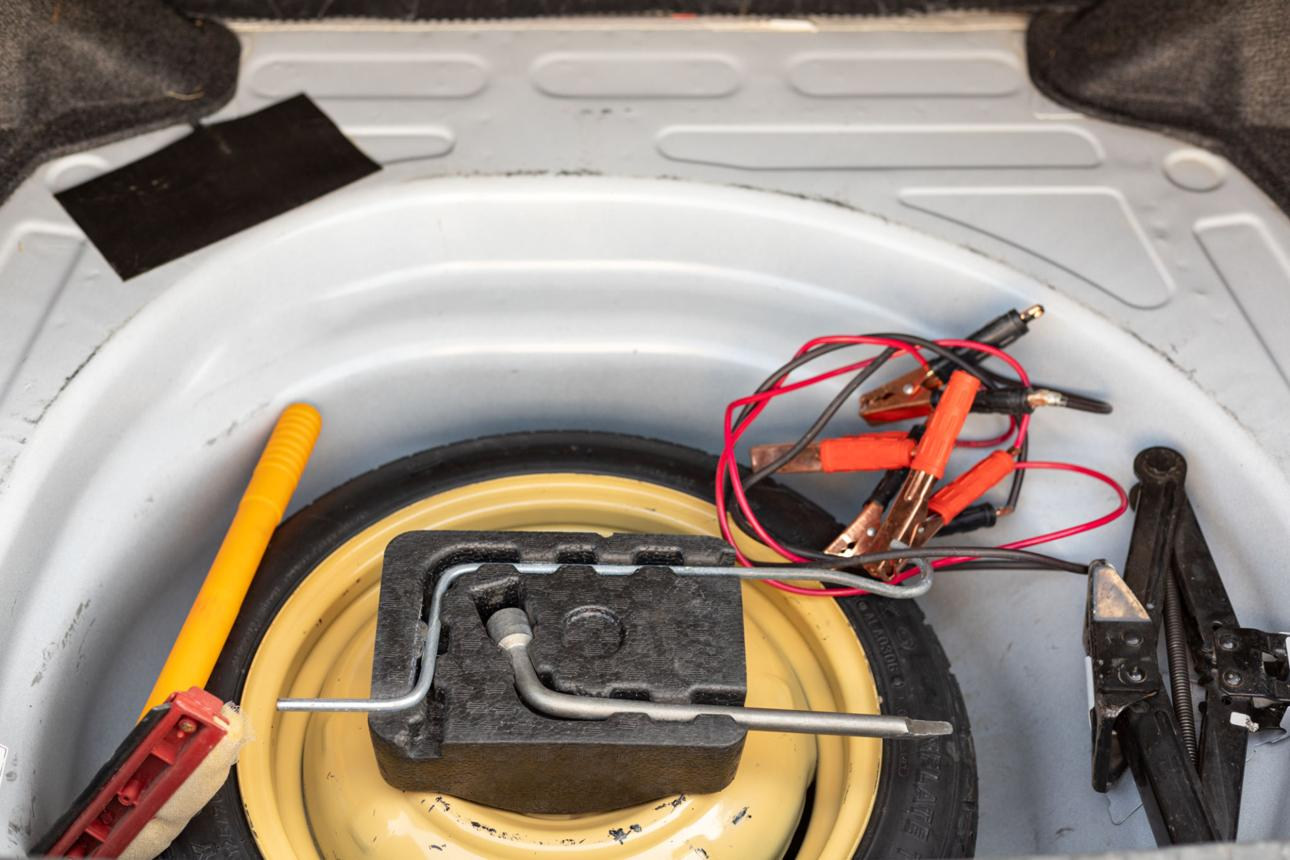
Manual vs Electric Car Tools
Torn between electric and manual kits? This guide compares manual vs electric car tools on speed, effort, cost, and reliability to help you choose the right tools for emergencies and maintenance.
If you get a puncture, have low tyre pressure or a weak battery, it’s the tools in your boot that decide how quickly you’re back on the road. Today’s drivers can choose between the traditional hand-operated kits and the modern powered devices. Knowing the difference between manual and electric car tools allows you to create a smarter, more reliable emergency kit that fits your driving style, budget and typical road conditions.
In this guide we compare both categories for common roadside tasks—so you can decide what to carry, and why.
Manual tools are powered solely by hand. They need no electricity, no batteries and no plugs.
Examples include:
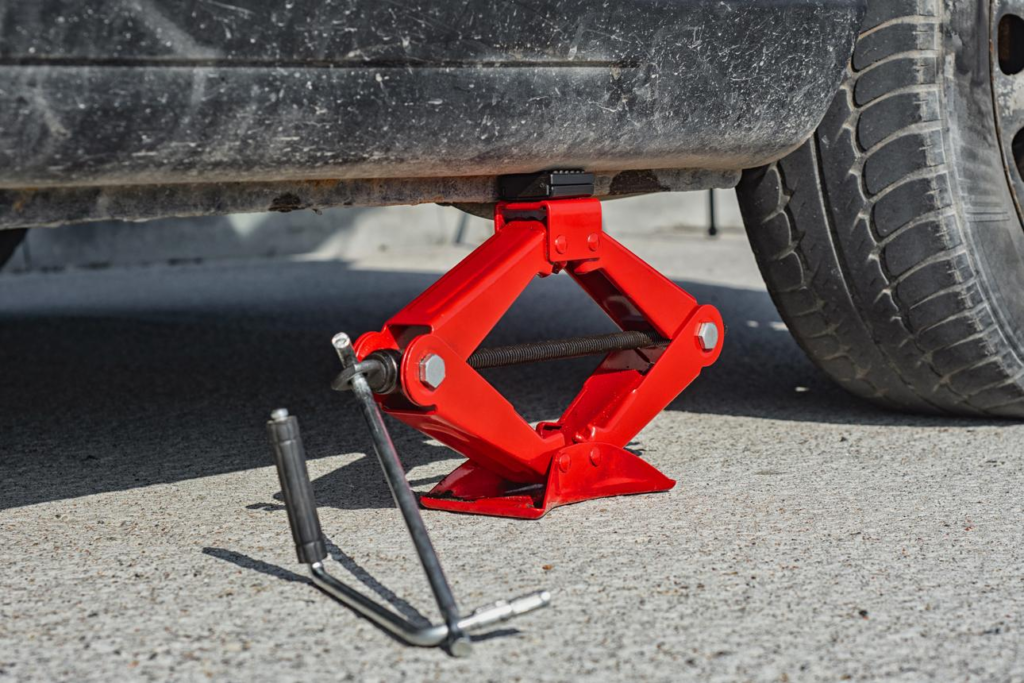
- Scissor jack and wheelbrace
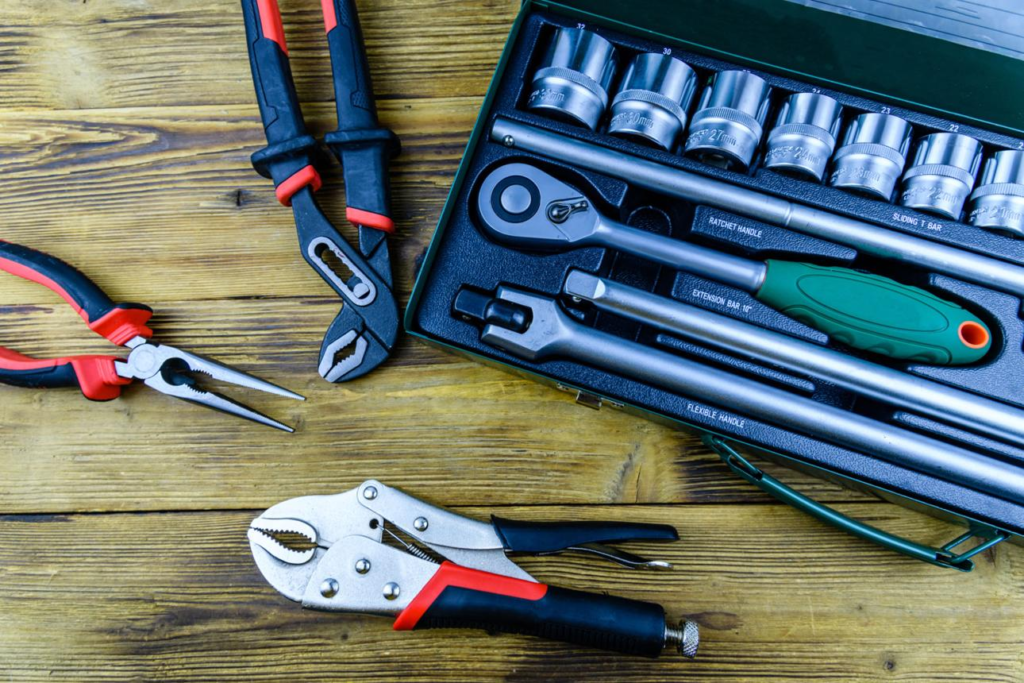
- Screwdrivers, pliers, adjustable wrench
- Analogue tyre pressure gage
- Hitch strap/strap
Pros:
- Very reliable (no power dependence)
- Low cost and durable
- Work in any situation
Cons:
Slower on certain tasks
Need physical activity
What tools for electric cars?
Electric tools use an internal battery or your car’s 12V socket so you can put in less effort and save time.
Examples include:
- 12V Tire Inflator/Compressor
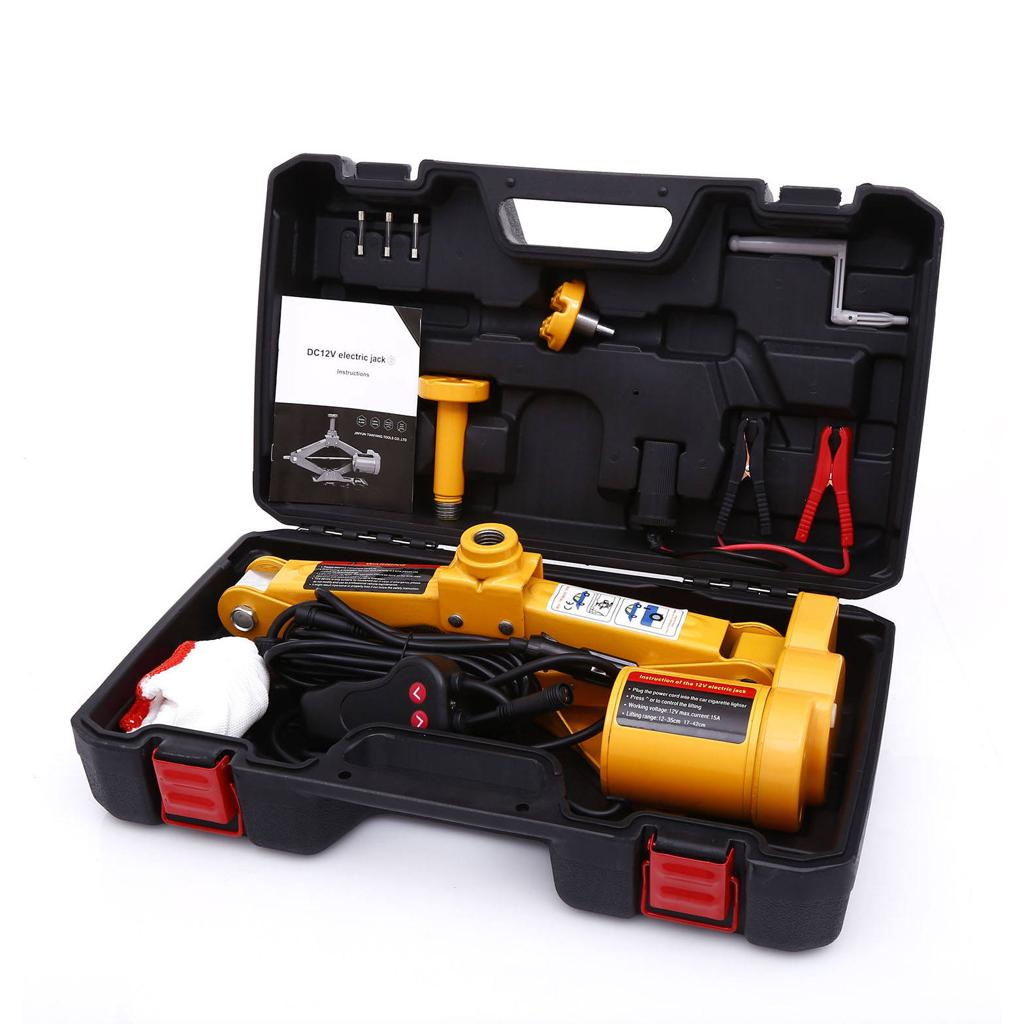
- Car electric jack
- Flashlight rechargeable
- Portable jump starter (battery booster)
Pros:
- Quick and easy
- Easy for beginners
- True digital displays
Cons:
- Battery/power dependent
- Cost more than hand tools
Tyre Care – Manual or Electric
Manual: pressure hand gauge; slow inflation by foot pump.
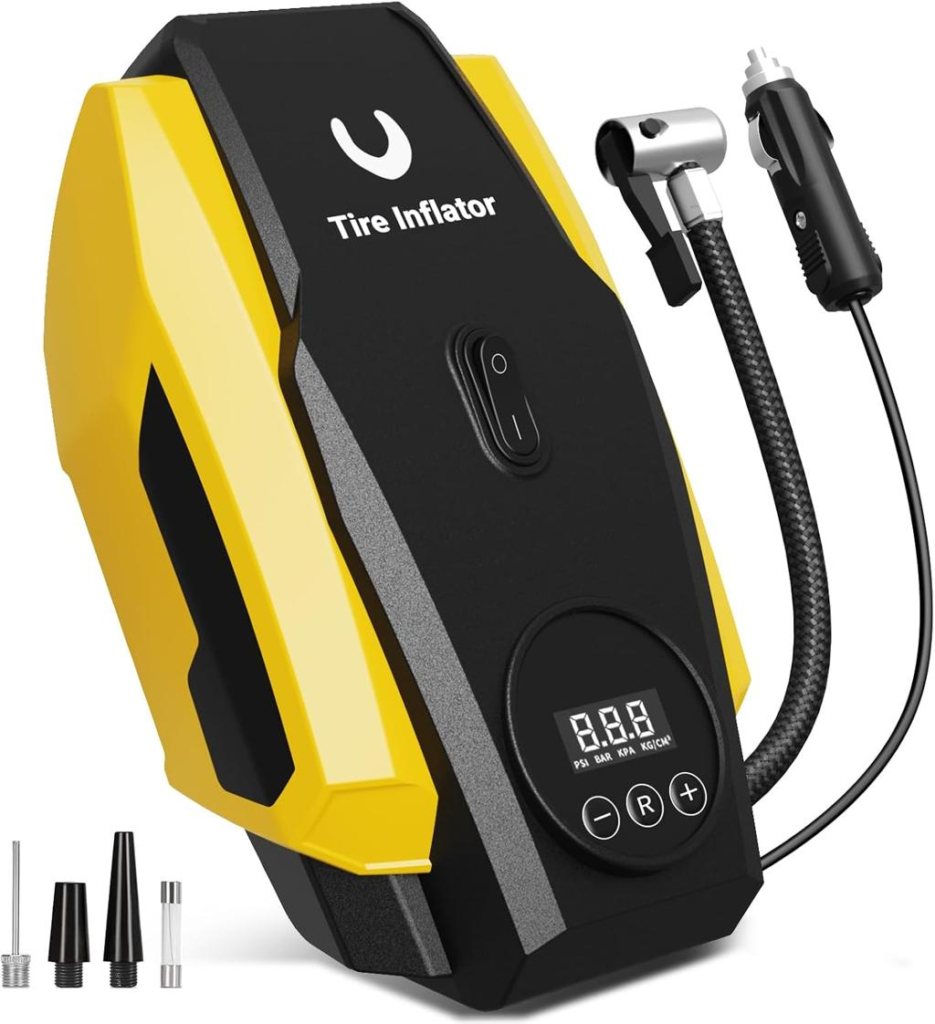
Electric: A 12V inflator quickly inflates tyres with precise PSI control.
Verdict: Electric wins on speed and accuracy, especially in heat or rain. Keep a manual gauge as a backup.
Replacing a Puncture – Manual or Electric Jack
Manual jack: Yes, but it requires time and strength.
Electric jack – Lifts the car, just push a button.
Verdict: Electric is easier for most drivers, manual is the reliable fallback.
Battery Issues: Jumper Cables vs Jump Starter
Jumper cables (manual): Needs help from another car.
Jump start (electric) Self-contained power bank, no second car needed.
Verdict: Electric jump starter is more convenient, cables are cheaper and never “run out” if help is close.
Night Visibility: Flashlight vs Rechargeable Flashlight
Manual torch (cells) – if you have spare batteries, it’ll work.
Rechargeable Flashlight, Brighter, Longer Runtime, USB Rechargeable.
Verdict: Electric rechargeable light is more practical, keep spare cells if you’re using a basic torch.
Price Comparison
| Type of Tool | Cost Manual | Cost of Electricity |
|---|---|---|
| Jack | Not high | Medium-high |
| Tyre inflation | Foot pump (low) | Medium (12V inflator) |
| Battery start | Low (cables) | Medium (jump starter) |
| Light | Not high | Medium – Low |
Insight: Manual tools are cheap, electric tools are expensive for comfort and speed.
Remote Area Reliability
Manual tools are fail-safe if you drive a lot in rural areas where support is limited. Electric tools are great, until the battery dies.
Best practice: Offer at least one manual alternative for critical tasks.
Beginner Friendly
Power tools are easier for the newbie. Flip a switch, read a display, and that’s it. Manual tools may take technique and effort.
If multiple family members use the car, then electric equipment accelerates the learning curve.
The Right Mix To Carry
The smartest setup is not “or” but both:
- Manual jack + electric jack (if you can afford it)
- Electric pump & hand pressure gauge
- Jump starter . Jump cables
- Flashlight rechargeable
This hybrid kit is about speed, comfort and reliability.
Which One Should You Go For?
Go for manual tools if you:
- Cheap and maximum reliability. Looking for
- Drive long distances out in the sticks
- Choose simple and stout equipment
Use electric tools if you:
- Desire fast, easy operation
- Largely city/highway driving
- Choose modern, user-friendly gear
Best answer to “manual vs electric car tools”: Build a hybrid kit that gives you the benefits of both.
Final Words
The debate over manual vs electric car tools isn’t about picking a winner; it’s about preparing for real-world situations. Hand tools are inexpensive and dependable. Electric tools are fast and simple to operate. Together they make a complete emergency toolkit that keeps you feeling confident on any road, in any weather, at any time.
Spend some time today getting your kit together and you will save yourself a lot of time and stress when it counts.pend a little time assembling your kit today, and you’ll save a lot of time and stress when it matters most.
Read this- Audi Q9 Interior Revealed Ahead of Global Debut
Read this – MINI Cooper Convertible: The Complete Buyer’s Guide to India’s Open-Top Icon
Read this – Maruti Suzuki Brezza 2026: कीमत, माइलेज, फीचर्स और लॉन्च डेट – क्या यह बनेगी 2026 की सबसे बेस्ट SUV?..