
Learn about car PPF, its benefits, cost, scratch protection and durability. Find out who should consider Paint Protection Film for their vehicle.
Table of Contents
Introduction
Buying a new car is exciting, but keeping its paint looking fresh can be challenging. Road debris, minor scratches, stone chips, bird droppings and harsh weather can affect a vehicle’s exterior over time. This is where Car Paint Protection Film, commonly known as PPF, becomes useful.
Car PPF is a transparent protective film applied to a vehicle’s painted surfaces. It creates a physical barrier that helps protect the original paint from everyday damage. However, PPF is not necessary for every car owner. Understanding its benefits, limitations and cost can help you decide whether it is worth the investment.
1. What Is Car PPF?
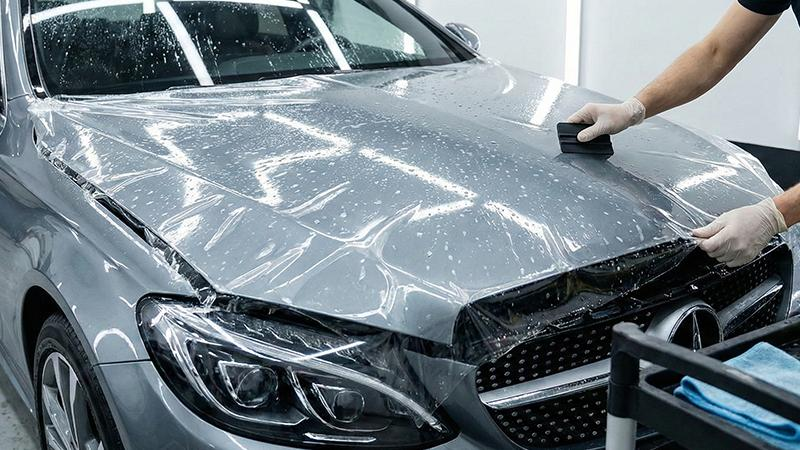
Paint Protection Film is generally made from thermoplastic polyurethane (TPU) or other protective film materials, depending on the product. It is applied to selected exterior panels, such as the bonnet, front bumper, mirrors and door edges.
High-quality films can offer resistance to minor abrasions and some stone chips. Certain products also feature self-healing properties that help reduce the appearance of light surface scratches when exposed to suitable heat.
2. Major Benefits of Car PPF
The main advantage of Car PPF is that it helps preserve your vehicle’s original paint.
- Protection against stone chips: Helps reduce damage from small stones and road debris.
- Scratch resistance: Protects against some minor scratches and surface abrasions.
- UV protection: Quality films can help limit paint fading caused by sunlight.
- Easier maintenance: Some films have hydrophobic surfaces that make cleaning easier.
- Self-healing technology: Selected films can reduce the appearance of light scratches.
- Better appearance: Clear film can maintain the original paint finish when correctly installed and maintained.
PPF cannot prevent every type of damage. Deep scratches, major impacts and accidents can still damage the paint or the film.
3. How Much Does Car PPF Cost in India?
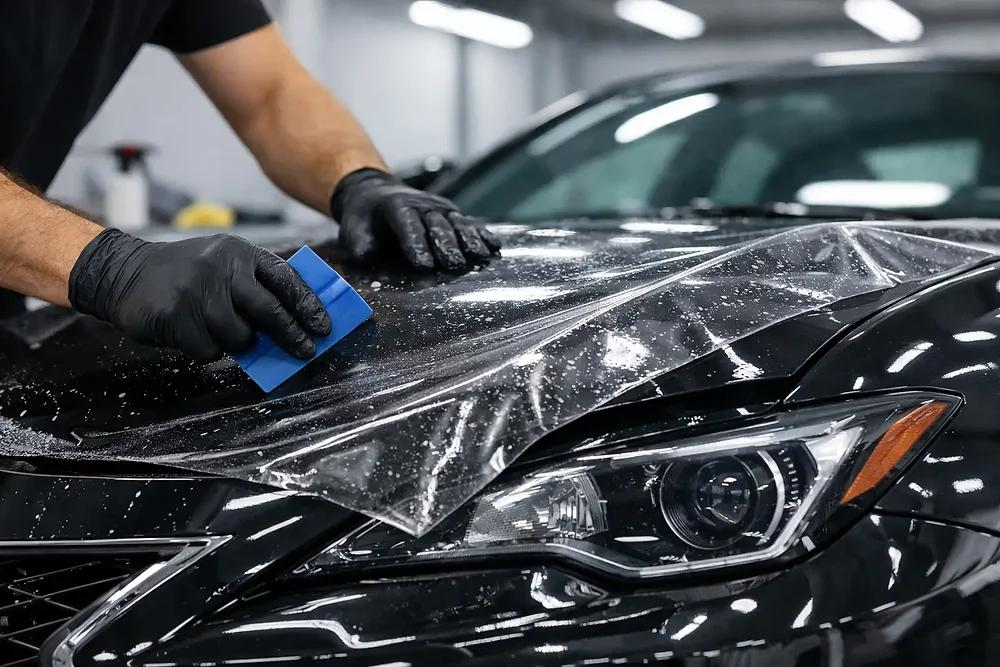
The cost depends on the vehicle’s size, film quality, coverage and installation quality.
| Coverage type | Indicative price range |
|---|---|
| Selected panels | ₹8,000–₹25,000 |
| Front-end protection | ₹25,000–₹60,000 |
| Full-body PPF | ₹60,000–₹1.8 lakh or more |
These are illustrative estimates, not fixed market prices. Premium films and larger luxury vehicles can cost considerably more. Always request a written quotation that specifies the film brand, coverage, warranty and installation terms.
4. Who Should Consider Car PPF?
Car PPF can be particularly useful for certain owners.
- Owners of new cars: Helps preserve fresh factory paint from the beginning.
- Luxury-car owners: Can protect expensive painted panels from common road damage.
- Frequent highway drivers: May benefit from additional protection against stone chips.
- People who park outdoors: May value protection against certain environmental contaminants.
- Car enthusiasts: Can maintain the appearance of a vehicle they plan to keep in excellent condition.
If your car is inexpensive to maintain, is driven occasionally or is already heavily scratched, full-body PPF may not offer enough value for its cost.
5. Car PPF vs Ceramic Coating
PPF and ceramic coating serve different purposes.
| Feature | Car PPF | Ceramic coating |
|---|---|---|
| Physical barrier | Yes | No |
| Stone-chip protection | Helps reduce damage | Very limited |
| Minor scratch protection | Yes, depending on film | Limited |
| Water repellency | Depends on film | Major benefit |
| Main purpose | Physical paint protection | Surface protection and easier cleaning |
Ceramic coating can improve water repellency and make routine washing easier. PPF is generally the better choice when your priority is protection against physical damage. Some owners use both, depending on the products’ compatibility.
6. Things to Check Before Installing PPF
Before choosing Car PPF, check the following:
- Film brand, thickness and product specifications.
- Warranty coverage for yellowing, peeling and cracking.
- Installer experience and workshop cleanliness.
- Whether paint correction is required before installation.
- Edge finishing and coverage around panel contours.
- Removal procedures and potential risks to repainted panels.
Choose an experienced installer rather than selecting a package based on price alone.
Frequently Asked Questions (FAQs)
1. How long does Car PPF last?
Durability varies by product, maintenance, climate and usage. Many quality films are sold with warranties lasting several years, but the warranty period is not a guarantee of identical real-world life.
2. Does PPF prevent all scratches?
No. It can help protect against minor scratches and some stone chips, but deeper scratches and strong impacts can still cause damage.
3. Is PPF better than ceramic coating?
PPF is generally better for physical paint protection, while ceramic coating focuses on surface protection, water repellency and easier cleaning.
4. Can PPF damage car paint?
Properly installed and removed film is generally designed to be safe for sound factory paint. Risks can increase on poorly repaired or repainted panels.
5. Is full-body PPF worth the cost?
It may be worthwhile for owners who want extensive paint protection and plan to keep their car for several years. Partial coverage can be a more affordable alternative.
Conclusion
Car PPF is a useful option for drivers who want to protect their vehicle’s paint against everyday scratches, stone chips and minor abrasions. It can be especially valuable for new cars, premium vehicles and cars frequently driven on highways.
However, PPF is a significant investment and does not eliminate all paint damage. Compare the cost of full-body and partial coverage, research the film warranty and choose a qualified installer before making your decision.
Disclaimer: Prices and product performance vary by brand, vehicle and installer. Confirm current quotations and warranty terms before purchasing.
Also read-
Rented Mercedes A200 :Frankfurt Trip, Ganpati Aarti & Mercedes A200 Rental Experience
Volvo NVIDIA Automated Driving Partnership
Tata Sierra EV vs Curvv EV: Why I Chose the Sierra
MG Astor Replacement 2027 in India; New SUV Expected in 2027
Maruti Suzuki Brezza 2026: कीमत, माइलेज, फीचर्स और लॉन्च डेट – क्या यह बनेगी 2026 की सबसे बेस्ट SUV?