
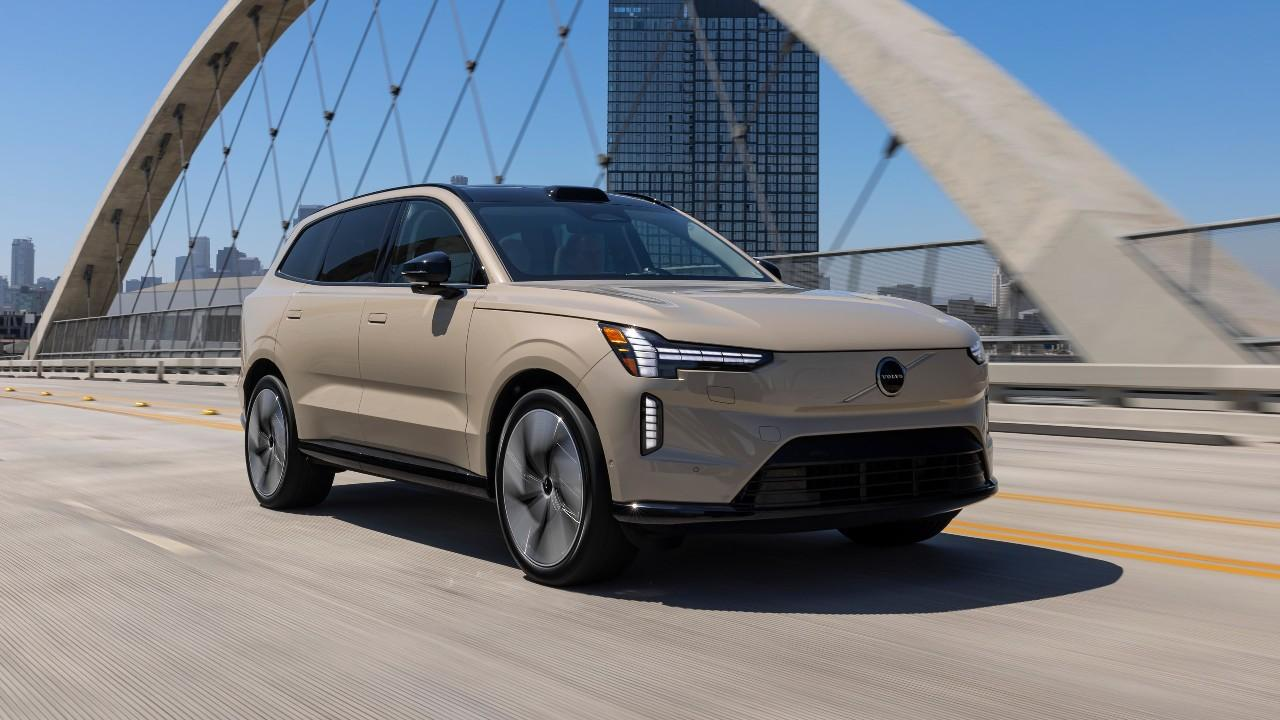
Volvo NVIDIA Automated Driving Partnership with AI technology designed to improve safety and enable advanced hands-free driving in future cars.
Table of Contents
Introduction
Volvo Cars and NVIDIA are expanding their long-standing partnership to develop a new generation of automated driving technology. Announced on October 15, 2026, the collaboration aims to make future Volvo vehicles better at understanding complex road conditions and assisting drivers in everyday situations.
The Volvo NVIDIA Automated Driving Partnership combines Volvo’s experience in vehicle safety with NVIDIA’s artificial intelligence (AI), computing hardware and driving software. The goal is to make driving safer and more convenient, with advanced assistance for highways, busy city streets and parking.
This development reflects the growing competition among automakers to introduce smarter vehicles with more capable driver-assistance systems.
1. What Is New in the Partnership?
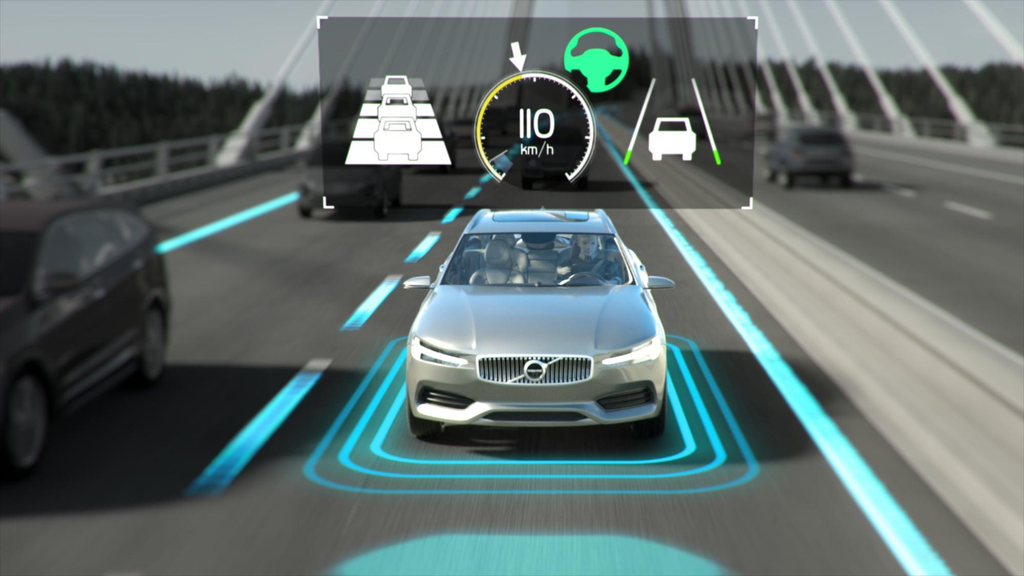
The expanded agreement builds on a collaboration that began in 2017. Volvo will combine its safety engineering and vehicle systems with NVIDIA’s advanced computing and AI technologies to develop automated driving capabilities for future vehicles (Volvo NVIDIA Automated Driving Partnership).
The new system is intended to support driving across different environments, including highways, urban roads and parking areas. The technology will debut in a next-generation Volvo vehicle, although the company has not yet confirmed the first model.
2. NVIDIA Hyperion and Alpamayo Technology
The Volvo NVIDIA Automated Driving Partnership will use several important technologies:
- NVIDIA Hyperion: A sensor and computing architecture designed to help vehicles understand their surroundings.
- Alpamayo Stack: Driving software that supports AI-based perception, reasoning and decision-making.
- NVIDIA Halos: A safety framework intended to support the development and evaluation of autonomous vehicle systems.
Together, these technologies will help future Volvo cars process information from their sensors and respond to changing road conditions (Volvo NVIDIA Automated Driving Partnership).
3. How Will Automated Driving Work?
The planned technology aims to assist with complex driving tasks, potentially including navigating traffic lights, busy intersections and highway journeys.
Volvo intends to introduce more advanced capabilities gradually, with a long-term ambition to enable hands-free driving in suitable conditions. However, the initial system will provide supervised driving assistance, meaning drivers must remain responsible for the vehicle.
4. Why Is This Important for Vehicle Safety?
Volvo has a long history of developing vehicle safety technologies, while NVIDIA contributes computing power and AI software.
The companies aim to combine driver-monitoring systems, vehicle sensors and intelligent software to help identify hazards and respond appropriately. These capabilities could improve convenience and support safer driving, although real-world performance will depend on testing, system limitations and regulatory approval.
The Volvo NVIDIA Automated Driving Partnership is therefore focused not just on automation, but also on making advanced driving assistance dependable.
5. When Will the Technology Arrive?
Volvo expects the technology to appear in a next-generation vehicle before the end of 2030. The first model and detailed rollout schedule have not yet been announced.
FAQs
1. What is the Volvo and NVIDIA partnership about?
It focuses on developing AI-powered automated driving technology for future Volvo vehicles.
2. What is NVIDIA Hyperion?
It is a sensor and computing architecture designed to support advanced automated driving systems.
3. Will future Volvo cars drive without a driver?
The initial system is planned as supervised assistance. More advanced capabilities may be introduced gradually, subject to safety and regulatory requirements (Volvo NVIDIA Automated Driving Partnership).
4. When will the new technology launch?
Volvo expects it to arrive in a next-generation vehicle before the end of 2030.
Conclusion
The expanded Volvo NVIDIA Automated Driving Partnership marks an important step towards smarter, more capable vehicles. By combining Volvo’s safety expertise with NVIDIA’s AI and computing technology, the companies aim to make future driving more convenient and secure (Volvo NVIDIA Automated Driving Partnership).
Although the technology is still being developed, it highlights how software and artificial intelligence are becoming increasingly important in the automotive industry.
Disclaimer: Launch timelines and technology features may change. Automated driving capabilities will depend on the vehicle, local regulations and operating conditions.
Also read-
2026 Renault Duster Hybrid Launched at ₹16.99 Lakh; Offers Up to 29 kmpl Fuel Efficiency!
Indian Car Sales September 2026: Brand-Wise Figures and Analysis
Maruti Suzuki Ignis at 81,000 km: Long-Term Ownership Review
Kia Seltos IVT After 2 Years and 50,000 km: Long-Term Review
Maruti Suzuki Brezza 2026: कीमत, माइलेज, फीचर्स और लॉन्च डेट – क्या यह बनेगी 2026 की सबसे बेस्ट SUV?