
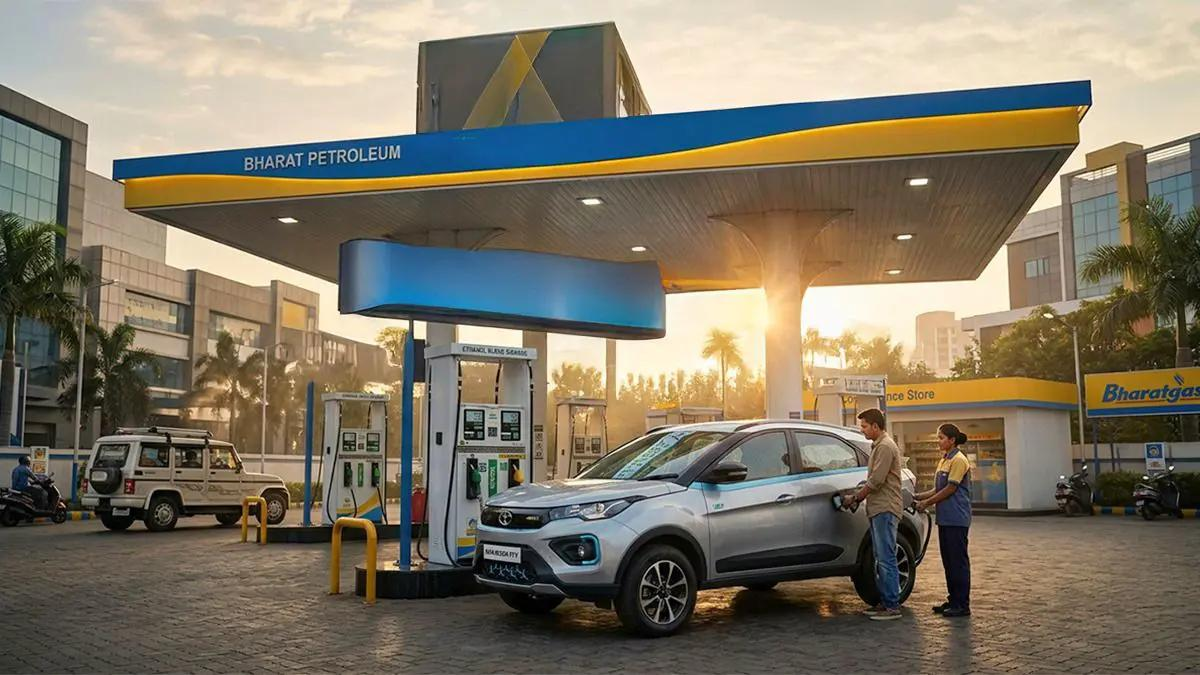
Cheaper Ethanol Fuel in India
Cheaper Ethanol Fuel in India can reduce the fuel cost by as much as ₹20 a litre, if it is cheaper. But why are vehicle owners still hesitant to make the switch? Discover the challenges and opportunities.
Cheaper Ethanol Fuel in India: Why Drivers Will Not Switch Even If Fuel Gets ₹20 Cheaper
Fuel prices have been a big headache for car owners in India since long time. The increase in the price of petrol and diesel directly affects the monthly budgets of daily commuters, commercial drivers and businesses dependent on transportation. There has been a lot of talk about cheaper ethanol-based fuel lately with claims that the fuel could be as much as ₹20 cheaper per litre compared to conventional petrol.
All this sounds like good news for consumers on the surface. After all, who wouldn’t want lower fuel costs? But the savings may not mean that many car owners will be rushing out to fill their tanks with ethanol-based fuel immediately. There are more reasons than just the comparison of the fuel prices.
Grasping the challenges and opportunities of ethanol fuel aids in understanding why lower prices alone may not be sufficient to spur widespread adoption.
Ethanol Fuel Definition (Cheaper Ethanol Fuel in India)
Ethanol is a renewable bio-fuel and is made mainly from agricultural products like sugarcane, corn and other biomass. It can be mixed with petrol in various proportions to produce cleaner alternatives for fuel.
India has been promoting ethanol blending as part of a broader effort to decrease reliance on imported crude oil and improve energy security.
Typical blends of ethanol include:
- E10 (10% Ethanol, 90% Gasoline)
- E20 (20% ethanol, 80% petrol)
- Ethanol blends for flex fuel vehicles at higher levels
As part of long-term sustainability goals, the government and fuel companies have been expanding ethanol blending programs across the nation.
Why is ethanol fuel less expensive?
One of the biggest attractions of ethanol fuel is its potential cheapness.
There are several factors that cause lower costs:
Production in the Home Country (Cheaper Ethanol Fuel in India)
Ethanol is produced domestically, whereas crude oil is largely imported. This limits exposure to currency swings and international markets.
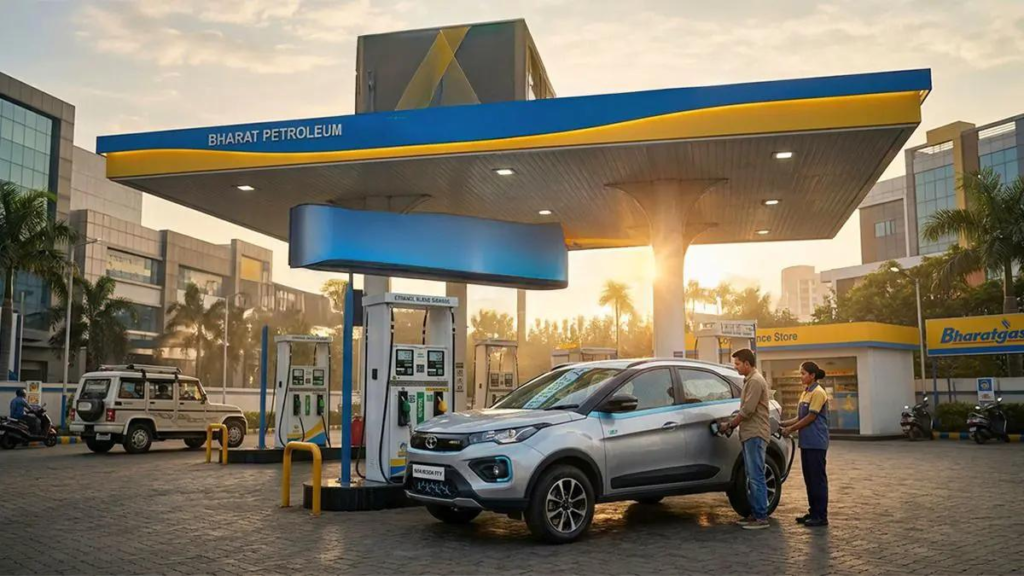
Agricultural Aid (Cheaper Ethanol Fuel in India)
India’s robust agricultural sector provides a dependable supply of raw materials for ethanol manufacturing.
Lower Import Bills (Cheaper Ethanol Fuel in India)
Using more ethanol means less money spent in the country on imported petroleum products and that’s good for consumers and the economy.
The more you make, the cheaper it can be. Ethanol fuel could be much cheaper than conventional petrol.
Why Don’t Drivers Get Excited if It’s Cheaper?
This is where the story gets interesting.
Consumers can save up to Rs 20 per litre, but many are still cautious.
1. Compatibility of the vehicle (Cheaper Ethanol Fuel in India)
The main challenge is compatibility with vehicles.
Not all cars and motorcycles are designed to run on high ethanol fuel blends. Some modern vehicles may tolerate some of these ethanol levels, but older vehicles may experience performance or maintenance issues if higher levels are introduced.
Consumers will not convert if they are not confident their vehicles can safely run on the fuels.
2. Lack of Awareness (Cheaper Ethanol Fuel in India)
Many car owners are unaware of ethanol fuel and its benefits.
The most common questions are:
- Will it wreck the engine?
- Will it affect the mileage?
- Is it more expensive to run?
- Performance will go down?
When there are no clear answers, consumers often prefer to stick with traditional petrol.
3. Access to Fuel (Cheaper Ethanol Fuel in India)
Even if ethanol fuel becomes cheaper, availability is another factor.
Drivers expect to be able to refuel for their daily commutes and road trips. If there are not many ethanol compatible fuel stations, the adoption may be slow.
Consumers are just as concerned about convenience as cost savings.
4. Mileage Concerns (Cheaper Ethanol Fuel in India)
Another common issue is fuel efficiency.
Ethanol has lower energy per litre than petrol. In some cases, vehicles may have slightly lower mileage when running on higher ethanol blends.
Many consumers consider the cost per kilometre rather than the cost per litre when choosing fuel. If mileage is reduced and savings at the pump are offset, some drivers may be reluctant to make the switch.
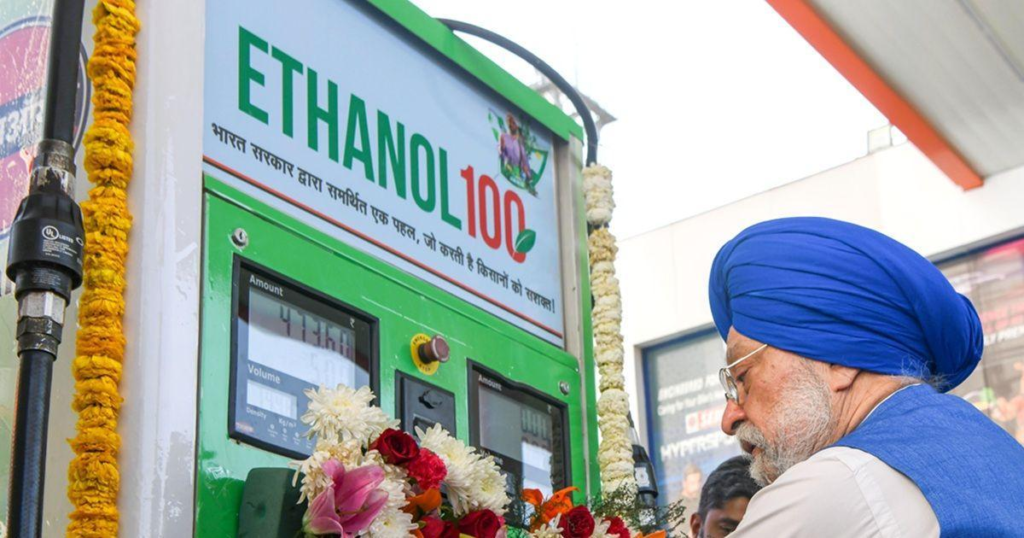
5. Resale Price and Long Term Dependability
Indian buyers always consider the resale value when they buy a vehicle.
If buyers are uncertain about the long-term effects of ethanol fuel on engine reliability, they may not embrace the technology until more real world data becomes available.
Why the Government Likes Ethanol Fuel
Despite these concerns, ethanol is a key ingredient in India’s energy strategy.
Cutting Oil Imports (Cheaper Ethanol Fuel in India)
India imports a big percentage of its crude oil requirements. Greater use of ethanol can lessen dependence on global oil markets.
Cleaner Outputs (Cheaper Ethanol Fuel in India)
Ethanol burns cleaner than conventional fossil fuels, reducing harmful emissions.
Supporting Farmers (Cheaper Ethanol Fuel in India)
The production of ethanol increases the demand for agricultural products and could benefit farmers and rural economies.
Energy Security (Cheaper Ethanol Fuel in India)
Increased domestic fuel production will also improve national energy security and reduce reliance on international supply disruptions.
Flex-Fuel Cars: Their Role
One approach to adoption challenges is the development of flex-fuel vehicles.
They’re designed to run on different combinations of gasoline and ethanol. Already several manufacturers are investing in flex-fuel technology as governments around the world are encouraging the use of alternative fuels.
As more flex-fuel cars and motorcycles enter the market, consumers may be more willing to use ethanol-based fuels.
It’s not going to happen overnight, but it will change slowly.
Will Ethanol Fuel Go Mainstream?
The future looks bright but mass adoption will depend on a few things:
- Build out ethanol infrastructure
- Available for compatible vehicles
- Consumer awareness
- Ongoing government support
- Competitive fuel rates
- Better distribution networks
If these conditions are satisfied, ethanol fuel can be a major part of the transportation ecosystem in India over a decade.
Implication for the consumer
Consumers might be able to use cheaper ethanol fuel to reduce transportation costs. But price alone might not decide whether it gets adopted.
Drivers will also look at:
- Compatibility with vehicle
- Convenient
- Economy
- Dependability
- Maintenance costs over the long run
As more compatible vehicles hit the market and awareness grows, public confidence in ethanol fuel will likely rise.
Abstract (Cheaper Ethanol Fuel in India)
The thought of fuel becoming ₹20 cheaper is very attractive, especially when the cost of transportation is a major concern for households and businesses. But Cheaper Ethanol Fuel’s success in India depends on much more than price.
In the end, the widespread use of ethanol-based fuel by drivers will be based on the ability of the vehicle to use it, the availability of the fuel, consumer knowledge and the creation of infrastructure.
The long-term outlook for ethanol fuel remains strong, even if many consumers may not immediately change. As technology advances and hurdles to adoption are lowered, ethanol could have a bigger role to play in India’s journey to affordable, sustainable and energy-secure transportation.
Read this – Kia Overtakes Maruti Suzuki in This Vehicle Segment: A Wake-Up Call for India’s Largest Carmaker
Read this –Connected Car Features Explained : Everything You Need to Know
Read this – Maruti Suzuki Brezza 2026: कीमत, माइलेज, फीचर्स और लॉन्च डेट – क्या यह बनेगी 2026 की सबसे बेस्ट SUV?..