
Unraveling DTC Code P0113 Intake Air Temperature Sensor 1 Circuit High
Is your check engine light on? Find out all about OBD Code P0113 “Intake Air Temperature Sensor 1 Bank 1 Circuit High.” Find the causes, symptoms, and repair prices to fix your car today. Having your check engine light come on can be frustrating, but today’s cars are advanced enough to give you a clear message about what’s wrong with your vehicle if you understand what they’re saying. One of the most common trouble codes that affect many cars, from Audi and Volkswagen to Volvo and General Motors, is the P011300 code. This code refers to a particular problem with your engine’s capacity to comprehend the air it is taking in.
In this article, we will dissect all there is to know about the P011300 code, including what it means, why it occurs, the symptoms you will experience, and how to repair it.
What Does the P0113 Code Mean
The P0113 is a generic OBD-II trouble code that stands for a problem with the “Intake Air Temperature Sensor 1, Bank 1. Circuit High.”
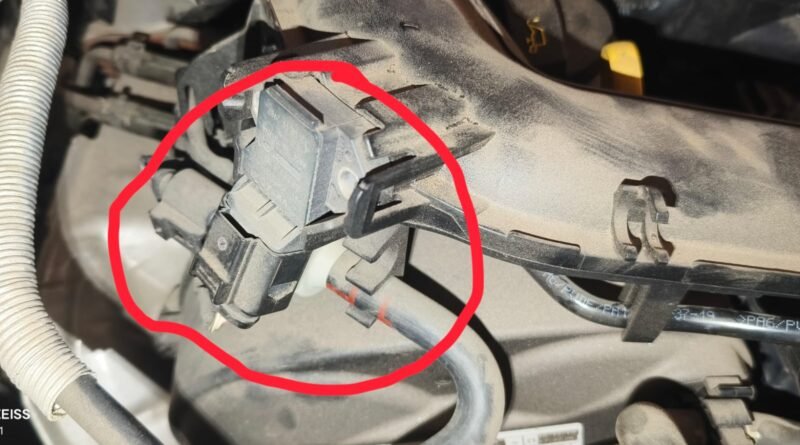
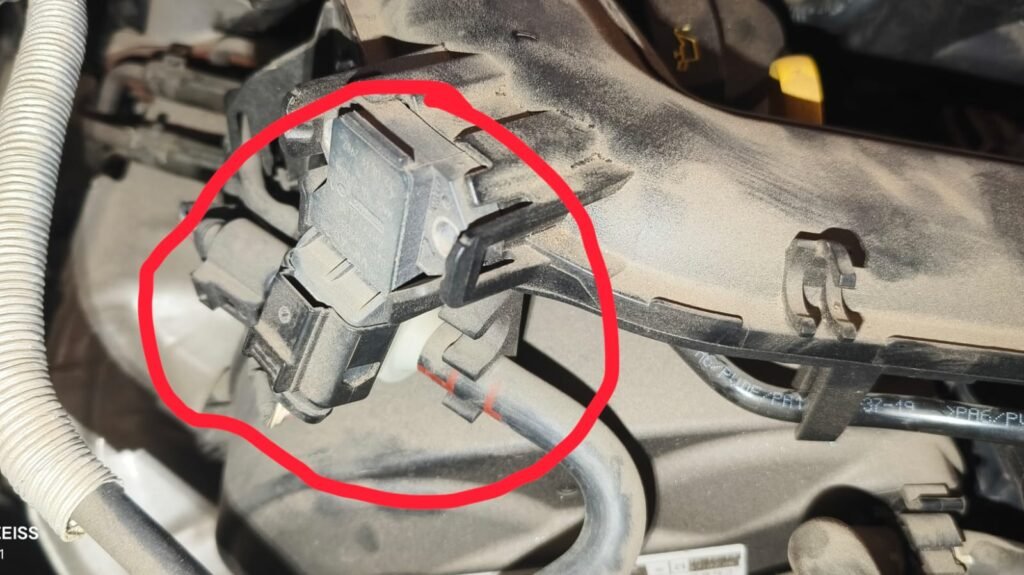
To better understand what this code means, you have to understand what the IAT sensor is and what it does. The IAT sensor is usually combined with the Mass Air Flow (MAF) sensor or may be a separate component in the intake manifold. It measures the temperature of the air entering the engine . The Engine Control Module (ECM) in your car requires this information to properly calculate the air-fuel mixture. Cold air is denser and needs more fuel, while hot air is less dense and needs less fuel.
The IAT sensor is usually a thermistor, which is a component whose resistance varies depending on the temperature. When the air is cold, the resistance is high, and the voltage output to the ECM is high. When the air is hot, the resistance is low, and the voltage output is low.
When the ECM recognizes that the voltage signal from the IAT sensor is too high (usually above 4.6 volts) or that the temperature is impossibly cold (-50°F or -45°C), it records trouble code P011300 . The “Bank 1” indicator points to the side of the engine where cylinder #1 is located. This is important for V-engine designs but usually applies to inline engines.
Typical Causes of Trouble Code P0113
The trouble code P011300 is activated when the signal from the sensor to the ECM is stuck in a high voltage condition. This is usually due to one of the following problems:
· Faulty Intake Air Temperature (IAT) Sensor: The sensor is the most likely problem. When the sensor is damaged internally, it may send an erroneous signal or no signal at all .
· Short to Voltage in the Wiring Harness: This is a very probable cause of a “Circuit High” trouble code. If the signal wire from the IAT sensor is rubbed bare and is in contact with a live 5-volt or 12-volt reference wire, the ECM will receive an erroneous signal of constant high voltage.
Open Circuit in the Signal Cable: If there is an open circuit in the signal wire, the ECM might read a constant voltage pull-up, which will be interpreted as a high signal .
· Defective Engine Control Module (ECM): In some instances, the issue may not be with the sensor or the wiring but with the ECM itself. The ECM might have a short or a malfunction that causes it to misinterpret the signal .
Symptoms of P0113 Fault Code
When the P011300 code is turned on, you will experience a number of symptoms. The check engine light will definitely be on . Other than that, the symptoms include:
When the code P011300 is present, you can expect a number of driveability problems to occur. The check engine light will definitely be on . In addition to the light, you can expect the following problems to occur:
· Poor Engine Performance: Because the ECM is not aware of the actual air temperature, it is unable to provide the proper air-fuel mixture. This can cause a problem with engine performance, as it may not accelerate properly .
· Poor Fuel Economy: The engine may be running rich (too much fuel) or lean (too little fuel) depending on the values that the ECM guesses for air temperature. This will cause the engine to have poor gas mileage .
· Engine Hesitation or Stalling: Running the wrong air-fuel mixture can cause the engine to hesitate when you press the gas pedal or even stall .
· Difficulty Starting: The engine may take longer than usual to start, especially in cold or hot weather, as the computer is guessing the air temperature .
· Failed Emissions Test: Since the code is directly associated with engine combustion efficiency, a car with this code present will definitely fail an emissions test.
How to Diagnose and Repair Code P0113
Before you begin replacing parts willy-nilly, a proper diagnosis is essential. If you are not familiar with electrical system diagnosis, it is highly recommended that you seek the help of a professional mechanic.
Step 1: Initial Scan and Research
Use an OBD-II scanner to verify that the code is indeed P011300. Be sure to note any other trouble codes that are also present, as they may offer important information.
Step 2: Visual Inspection
Begin with the basics. Find the location of the IAT sensor (this is typically found in your service manual and is usually located on the air intake duct or air filter box). Remove the electrical connector and inspect it for bent pins, corrosion, or damaged wires . Inspect the wiring harness that leads to the sensor for any signs of melting, chafing, or rubbing against other components that may cause a short.
Step 3: Intermittent vs. Permanent Fault
With the engine turned on, use your scan tool to monitor the live data from the IAT sensor. If the temperature value is reasonable (close to the ambient air temperature), the problem is intermittent. If the value is stuck at an impossible low temperature (such as -40°F), the problem is permanent .
Step 4: Circuit Testing with a Multimeter
This is where you can track down the problem:
· Check for Short: With the ignition turned off, disconnect the ECM and the IAT sensor. Use your multimeter to test for continuity between the signal wire and any power or ground wires. If there is continuity, you have a short .
· Check for Open: With the same connections, test the resistance of the signal wire. If the resistance is infinite (OL), the wire is damaged and needs to be repaired .
Step 5: Repair and Clear the Code
After you have determined the problem—whether it is a repaired wire, a new sensor, or a cleaned connector—do the repair. After the repair, use your OBD-II scanner to clear the code and take the car for a test drive to verify that the check engine light remains off.
Don’t Ignore the Signal
The code P0113 is your car’s way of telling you that it is not able to measure the amount of air it is using to run. Although the car may still be in good condition, you should not ignore this code because it may cause your car to perform poorly.
ALSO READ: OBD Code P0113 Intake Air Temperature Sensor 1 Circuit High
ALSO READ: 2026 Maruti Brezza: Price, Specs & India Launch
ALSO READ: गलती से 5W-20 ऑयल डाल दिया जबकि 5W-30 चाहिए था? यहाँ 10 आसान पॉइंट्स और सही तरीके (Simple Hindi में)