
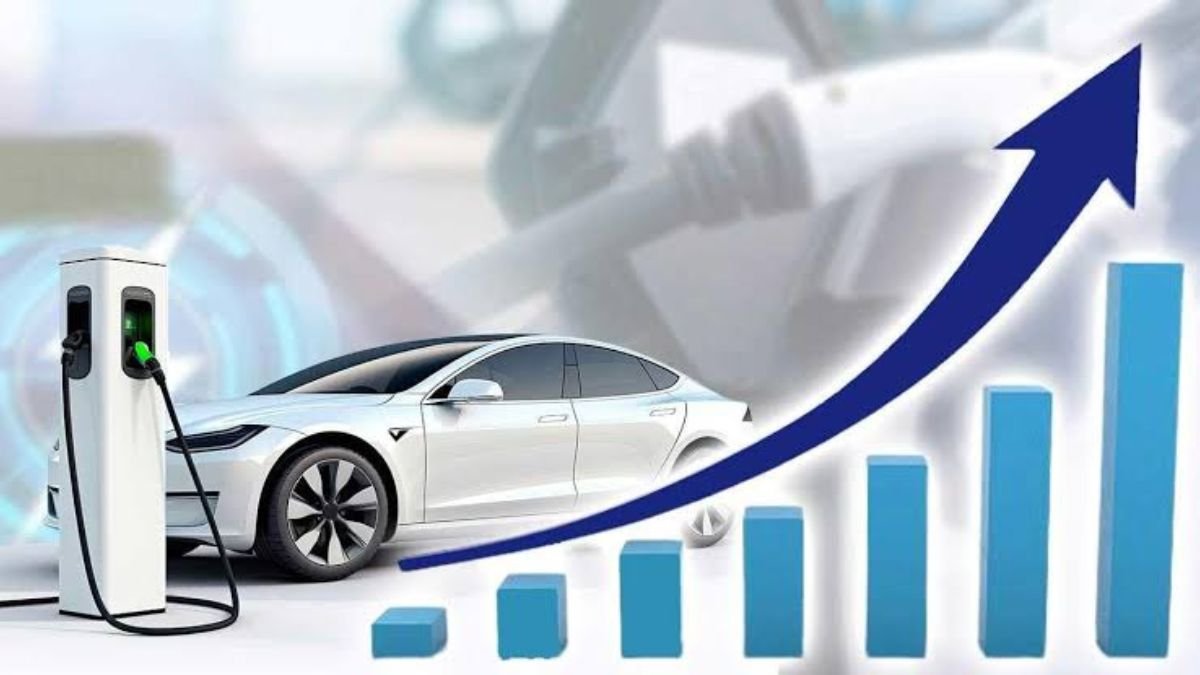
India EV Sales: India’s roads are slowly changing, and electric vehicles are becoming a much bigger part of everyday life. From electric scooters quietly moving through crowded city streets to battery-powered three-wheelers handling last-mile deliveries, the shift towards cleaner mobility is now clearly visible. If this momentum continues, the country’s electric vehicle market could witness extraordinary growth over the next few years.
A new industry report suggests that annual electric vehicle sales in India could reach 30.4 million units by 2032 under a high-growth scenario. If this projection becomes a reality, it would represent a massive increase compared with current sales levels and could completely reshape India’s automotive industry.
India EV Sales
| Key Factor | Expected Impact on India’s EV Market |
|---|---|
| Projected Annual EV Sales | Could reach 30.4 million units by 2032 |
| Leading EV Segment | Electric two-wheelers are expected to contribute the largest share |
| Charging Infrastructure | Expansion will be essential to support the growing number of EVs |
| Battery Costs | Falling costs could make electric vehicles more affordable |
| Component Localisation | Could reduce import dependence and help control vehicle prices |
| Major Challenges | Charging time, battery life, resale value, and infrastructure availability |
India’s Electric Vehicle Market Is Entering a New Growth Phase
The journey towards electric mobility in India is still at an early stage, but the market has already started gaining serious momentum. Consumers now have access to more electric vehicles than they did just a few years ago, while manufacturers are continuously introducing new models across different price segments.
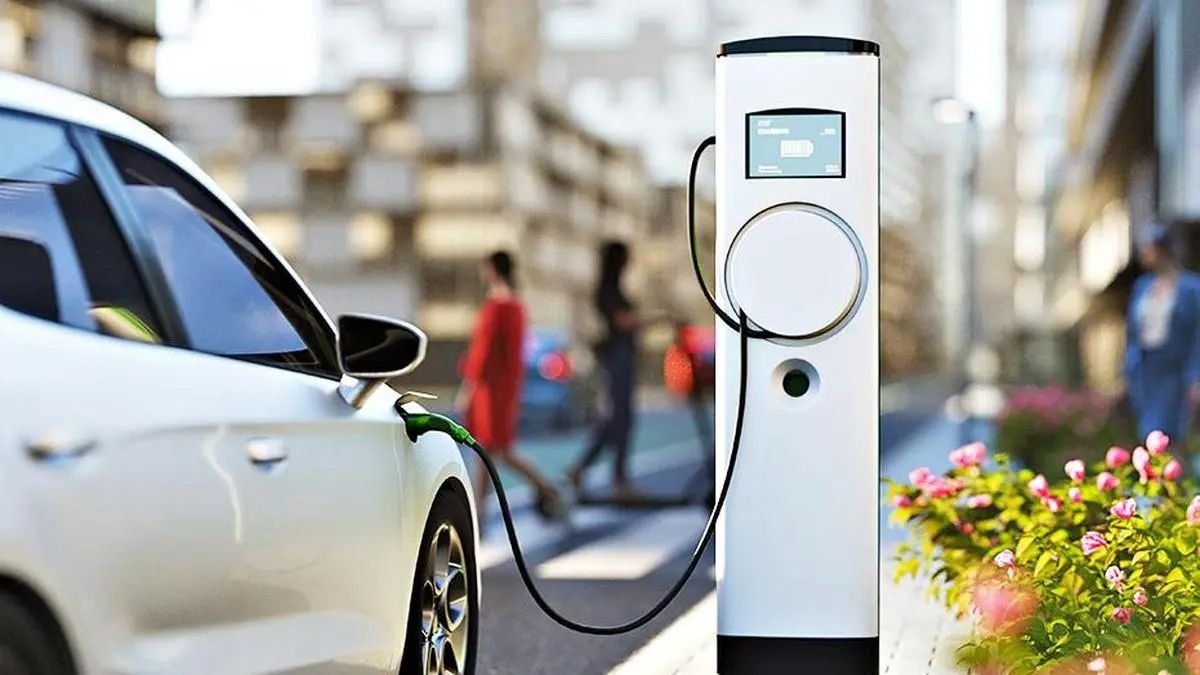
The projected growth to 30.4 million annual units is not expected to come from a single factor. Instead, several important developments will need to work together. Better charging infrastructure, lower battery costs, more affordable vehicles, and supportive government policies could all encourage more people to make the switch from conventional petrol and diesel vehicles to electric alternatives.
Electric Two-Wheelers Could Lead India’s EV Revolution
Electric two-wheelers are expected to play the biggest role in India’s future EV sales. Electric scooters have already become a familiar sight in many cities, and manufacturers are regularly introducing new models with improved range, features, and battery technology.
For millions of daily commuters, electric scooters can offer a practical alternative to petrol-powered vehicles, particularly when running costs are taken into account. As charging options improve and more affordable models enter the market, electric two-wheelers could become one of the strongest pillars of India’s transition towards electric mobility.
Commercial Electric Vehicles Are Also Gaining Ground
The EV story in India is no longer limited to personal transportation. Electric three-wheelers and last-mile delivery vehicles are becoming increasingly common, especially in busy urban areas where vehicles cover predictable routes every day.
Electric buses and trucks are also gradually gaining attention. Fleet operators are increasingly exploring electric mobility as a way to reduce operating costs and meet sustainability goals. As battery technology improves and charging infrastructure expands, the commercial vehicle segment could become another major contributor to India’s overall EV growth.
Better Charging Infrastructure Will Be Crucial for Future Growth
Despite the positive outlook, charging infrastructure remains one of the biggest challenges facing the Indian EV market. While charging stations are becoming more common in major cities and along selected highways, access can still be inconsistent in smaller cities and other regions.
The challenge is not only about increasing the number of charging locations. As more electric vehicles enter the market, each charging station may also need more chargers to prevent long waiting times. A rapidly growing EV population without sufficient charging capacity could create inconvenience for drivers and slow down wider adoption.
For India to achieve the most optimistic sales forecast, the charging network will need to expand at a similar pace to vehicle sales. Reliable and easily accessible charging could give potential buyers greater confidence when considering an electric vehicle.
Battery Life and Resale Value Remain Important Concerns
Many potential EV buyers still have questions about battery life, charging time, and long-term resale value. These concerns are understandable because electric vehicle ownership is still relatively new for a large section of Indian consumers.
Manufacturers will need to address these concerns through improved battery warranties, transparent ownership information, and better after-sales support. As more electric vehicles remain on Indian roads for longer periods, consumers will also gain a clearer understanding of their long-term reliability and resale value.
Falling Battery Costs Could Make EVs More Affordable
Battery packs remain one of the most expensive components of an electric vehicle. However, continued improvements in battery technology and greater local production could help reduce costs over time.
Localisation of batteries and other important EV components could also reduce dependence on imports and help manufacturers control vehicle prices. If these savings are passed on to buyers, the price difference between electric and conventional vehicles could gradually become smaller, making EVs accessible to a much wider audience.
More Manufacturers Are Making the EV Market Competitive
One of the most encouraging changes in India’s electric vehicle industry is the growing number of manufacturers entering the segment. The market is no longer dependent on only a few companies. Established automakers are expanding their electric vehicle portfolios, while newer brands are introducing fresh products and technologies.
Greater competition could ultimately benefit consumers through more choices, improved technology, and competitive pricing. Buyers may soon have a wider selection of electric scooters, cars, SUVs, and commercial vehicles across different budgets and requirements.
Investments Are Building a Stronger EV Ecosystem
India’s electric mobility transition is creating opportunities far beyond vehicle manufacturing. Battery production, charging networks, software development, and component localisation are attracting significant investments.
This growing ecosystem could help strengthen the domestic EV industry while creating new business and employment opportunities. A few years ago, many parts of this ecosystem were still in their early stages. Today, they are becoming an increasingly important part of India’s automotive future.
Can India Really Achieve 30.4 Million EV Sales by 2032?
Reaching annual EV sales of 30.4 million units by 2032 would be a remarkable achievement, but the forecast depends on several conditions. Consumer demand must continue to grow, charging infrastructure needs to expand rapidly, and electric vehicles must become more affordable and practical for everyday buyers.
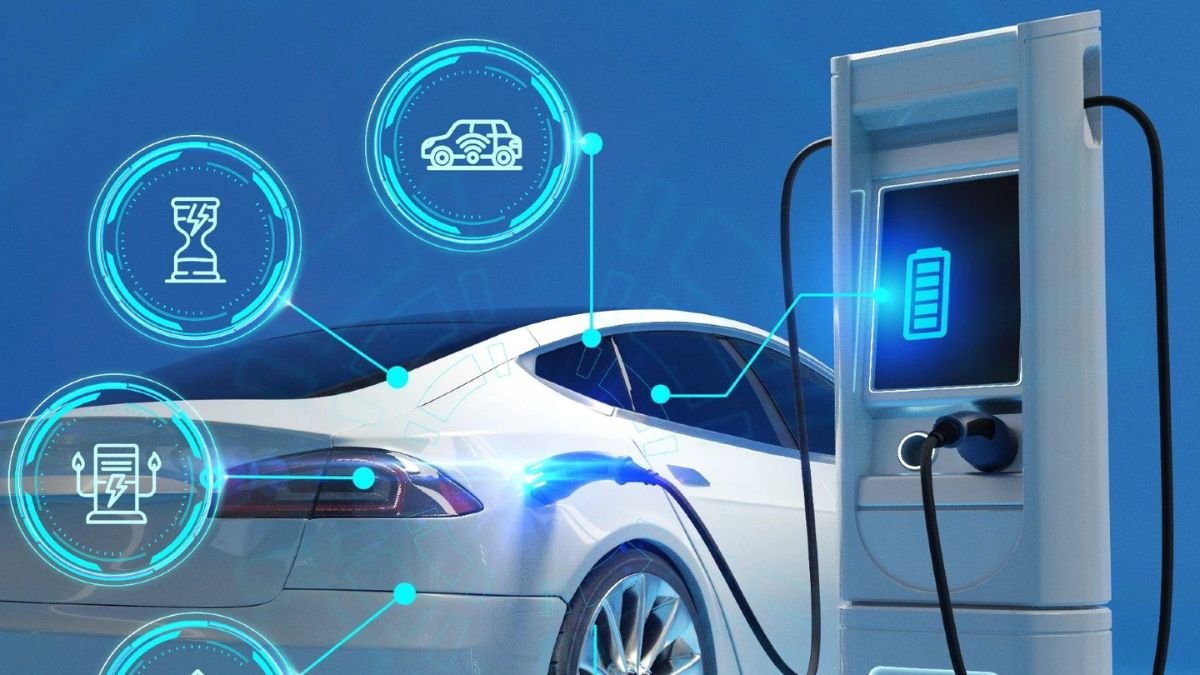
The direction of the market, however, is becoming increasingly clear. Electric vehicles are gradually moving beyond being a niche choice and entering the mainstream. If infrastructure development keeps pace with new vehicle launches and technological improvements, India could experience one of the biggest transformations in the history of its automotive industry.
The coming years will determine how quickly that transformation takes place. Whether the market reaches the projected 30.4 million annual sales figure or not, electric mobility is likely to play a much larger role on Indian roads by 2032.
Disclaimer: The information provided in this article is based on industry projections and publicly available reports. The estimated EV sales figure for 2032 represents a high-growth scenario and is not a guaranteed outcome. Actual market performance may vary depending on consumer demand, government policies, charging infrastructure, battery costs, economic conditions, and other industry developments.