
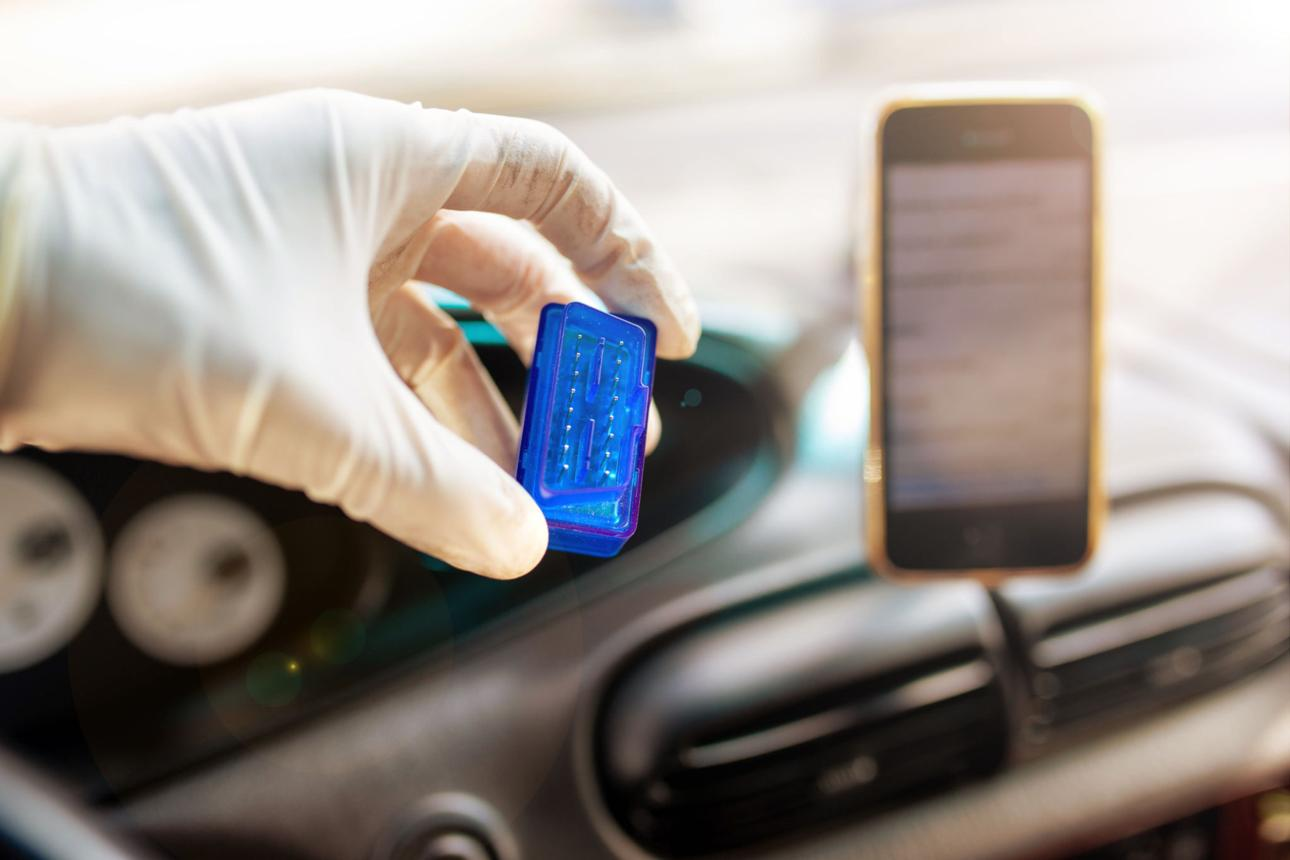
Get familiar with common OBD error codes and what they mean with this simple guide for car owners. Before heading to a mechanic read on to understand engine warning codes, causes, symptoms and possible fixes.
Modern vehicles are more intelligent than ever before, thanks to on-board computer systems that continually monitor engine performance, emissions, fuel systems and sensors. Your car records a diagnostic trouble code when something goes wrong, and it’s commonly called an OBD code. Knowing the common OBD error codes and what they mean can help you catch problems early, save you money on repairs and enhance your communication with mechanics.
OBD means On-Board Diagnostics. This is a system that is built into modern vehicles to monitor vehicle health and make the driver aware of problems. When the check engine light comes on, an OBD scanner can read the stored code and determine what is causing the issue.
This guide explains some of the more common OBD error codes and what they mean, possible symptoms and how they are generally fixed.
What is an OBD Trouble Code?
An OBD code is a universal diagnostic code that the computer in your vehicle produces when it detects abnormal behavior in the engine, transmission, emissions system or sensors.
Most OBD-II codes start with:
- P = Powertrain (engine & transmission)
- B= System of the body
- C = Chassis
- U = networks/communication systems
For instance:
- P0300 :
- P0420
- P0171
These codes allow mechanics to quickly identify the system that is affected.
The Importance of OBD Codes
Catching them early can: Knowing the most common OBD error codes and what they mean is important because:
- Avoid additional mechanical failures
- Improve fuel economy
- Cut emissions
- Reduced repair costs
- Avoid roadside breakdown
Ignoring warning lights can turn a small problem into an expensive repair.
Common OBD Error Codes and What They Mean
P0300 – Random/Multiple Cylinder Misfire Detected
Sense
Engine is running on a few cylinders.
Signs and symptoms
- Idle rough
- Engine shaking
- Acceleration slower
- Bad gas mileage
Potential Causes
- Spark plugs gone bad
- Defective ignition coils
- Fuel injector issues
- Leaks in the vacuum
Common Fixes
Usually the problem can be solved by replacing the spark plugs or ignition parts.
2) P0420 – Catalyst System Efficiency Below Limit
Sense
The catalytic converter is not functioning properly.
Signs and symptoms
- Engine light on.
- Lowered fuel economy
- Smell of rotten egg or sulfur
Potential Causes
- Catalytic Converter Failure
- faulty oxygen sensor
- Exhaust leak
Common Fixes
Replacing the catalytic converter or repairing sensors.
3) P0171 – System Too Lean (Bank 1)


Sense
The engine is receiving too much air and not enough fuel.
Signs and symptoms
- Idle rough
- Lack of performance
- Hesitation on acceleration
Potential Causes
- Leaks in the vacuum
- Dirty mass air flow sensor
- Fuel pump weak
Common Fixes
Repairing the leaks or cleaning the airflow sensor.
4) P0455 – Evaporative Emission System Leak Detected


Sense
There is a large leak in the EVAP system.
Signs and symptoms
- Engine light on.
- Odor of fuel near vehicle
Potential Causes
- Fuel cap (loose)
- Leaky pipe
- Evaporative System Leak
Common Fixes
This code is often cleared by tightening or replacing the fuel cap.
5) P0500 – Vehicle Speed Sensor Problem


Sense
The vehicle speed sensor is not functioning properly.
Signs and symptoms
- Speedometer problems
- Transmission shifting issues
- ABS warning lamp
Potential Causes
- Speed sensor failure
- Electrical wiring problems
Common Fixes
Replacing the sensor or repairing the wiring.
6) P0128 – Coolant Thermostat Temp Below Regulating Temp


Sense
The engine is not coming up to normal operating temperature.
Signs and symptoms
- Bad gas mileage
- Poor heater performance
- Engine is cold
Potential Causes
- bad thermostat
- Problems with Cooling System
Common Fixes
Thermostat replacement.
7) P0700 – Transmission Control System Malfunction


Sense
Fault in transmission control system detected.
Signs and symptoms
- Hard shifts.
- Gear slippage
- Transmission warning lamp
Potential Causes
- Transmission fluid low
- Sensor malfunction
- Internal transmission problems
Common Fixes
More diagnostics of transmission are needed.
How to Interpret OBD Codes


You can read OBD codes with:
- Portable OBD-II scanners
- Bluetooth OBD-II adapters.
- Diagnostic apps for smart phones
These tools connect to the car’s OBD port, usually located below the dashboard.
Can You Drive with an OBD Error Code?
Depends on the code.
Short Distance Safe
- Fuel cap (loose)
- Small sensor trouble
Do not drive
- Misfire bad.
- Too Hot
- Transmission issues
Don’t ignore serious codes. This could permanently damage the engine.
How to Avoid OBD Errors
- Regular car servicing
- Use good fuel
- Schedule change filters
- Check fluid levels.
- Don’t ignore warning lights
Preventive maintenance is less likely to lead to major faults.
Final Words
Familiarity with common OBD error codes and their meanings helps car owners to be aware and proactive . Some codes mean minor problems like a loose gas cap, while others indicate serious engine or transmission problems that require immediate attention.
One of the most useful tools for the modern day car maintenance is an OBD scanner. Learn basic diagnostic codes and save time , money and keep your vehicle running smoothly for years to come .
Read this- Audi Q9 Interior Revealed Ahead of Global Debut
Read this – MINI Cooper Convertible: The Complete Buyer’s Guide to India’s Open-Top Icon
Read this – Maruti Suzuki Brezza 2026: कीमत, माइलेज, फीचर्स और लॉन्च डेट – क्या यह बनेगी 2026 की सबसे बेस्ट SUV?..