
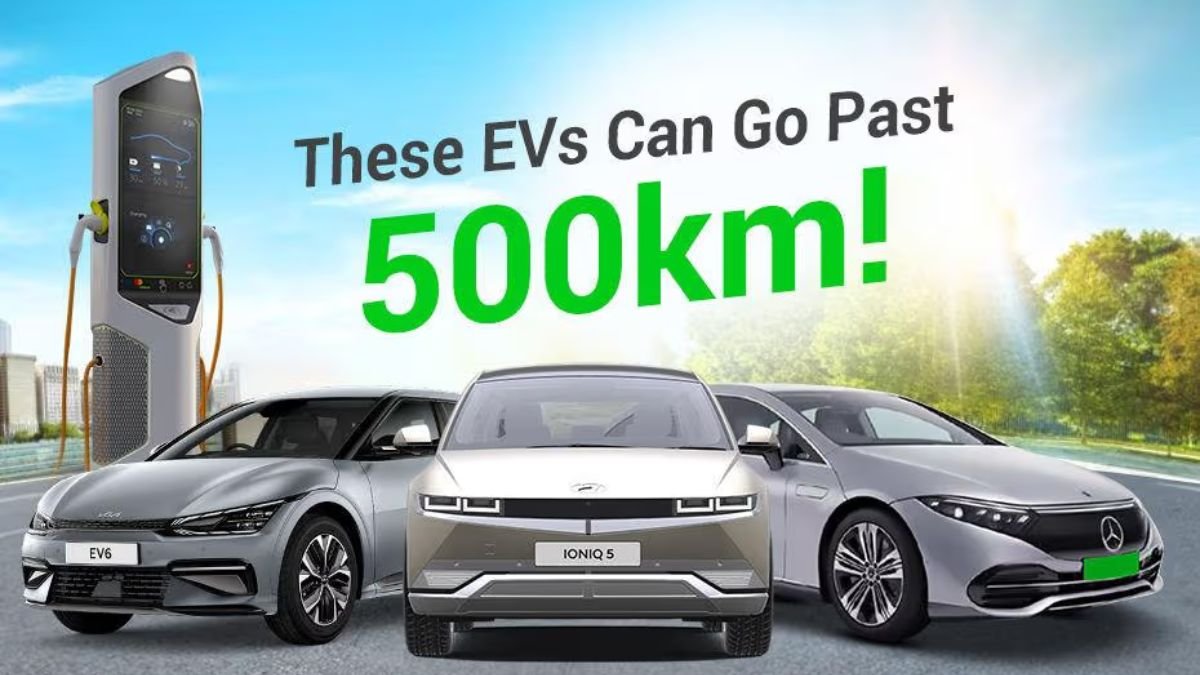
Upcoming Hyundai Compact EV: Hyundai is preparing to expand its electric vehicle lineup in India with a brand-new compact electric SUV that is expected to make EV ownership more affordable. The upcoming model has already been spotted undergoing road testing several times, creating excitement among buyers waiting for a practical and feature-rich electric SUV.
The compact EV is expected to sit below the Hyundai Creta Electric and is likely to offer an impressive driving range of more than 500 kilometres on a single charge. With modern styling, advanced technology, and a long list of premium features, Hyundai appears ready to compete strongly in India’s fast-growing electric SUV segment.
Hyundai’s New Affordable Electric SUV Is Taking Shape
Upcoming Hyundai Compact EV has been actively strengthening its EV portfolio, and the upcoming compact electric SUV will play an important role in that strategy. Recent spy shots reveal that the vehicle is currently in its testing phase, suggesting that the official launch could take place before the end of 2026 or during the early months of 2027.
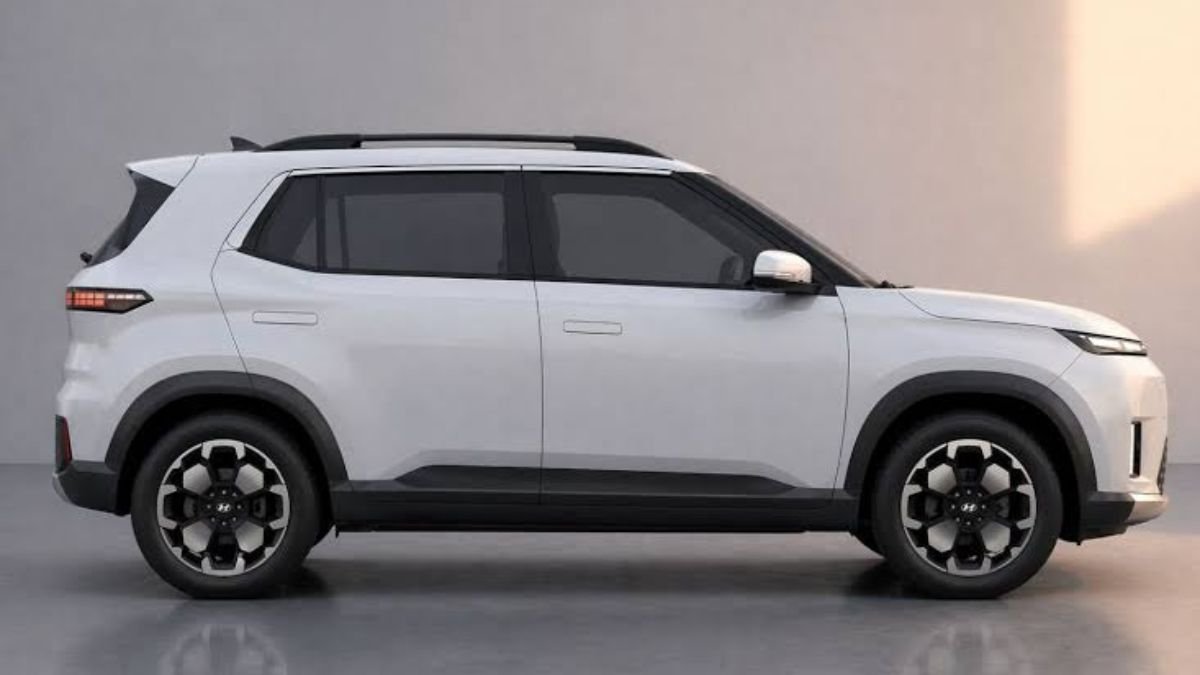
Unlike some manufacturers that convert existing petrol models into electric vehicles, Hyundai seems to be developing a unique design for this SUV. The fresh styling is expected to give the vehicle a distinct identity while aligning it with Hyundai’s latest global electric vehicle design language.
Expected Battery Options and Driving Range
Reports suggest that Hyundai may borrow battery technology from the recently introduced Kia Syros EV. The upcoming compact electric SUV is expected to offer two battery pack options, giving buyers the flexibility to choose according to their driving needs and budget.
The smaller battery is likely to provide practical everyday performance, while the larger battery could deliver an ARAI-certified driving range exceeding 500 kilometres. Such a range would place the SUV among the strongest contenders in India’s affordable EV market.
Shared Technology with Kia Syros EV
Hyundai and Kia have a long history of sharing platforms and technologies across several global models. Industry reports indicate that Hyundai’s upcoming compact EV will share many components with the Kia Syros EV while maintaining its own styling and brand identity.
The Kia Syros EV currently offers 42 kWh and 51.4 kWh battery packs with certified driving ranges of 443 km and 526 km respectively. If Hyundai adopts a similar setup, the larger battery version could comfortably cross the 500 km range mark.
Modern Exterior Design
Spy photographs suggest that Hyundai is giving its compact EV a modern and futuristic appearance instead of adapting an existing SUV. The overall proportions appear similar to the Hyundai Venue, featuring a tall stance and SUV-inspired design.
The front is expected to feature sleek segmented LED daytime running lights positioned above the primary headlamp units. Other visible design highlights include flush door handles, black roof rails, aerodynamic alloy wheels, a roof-mounted spoiler, and vertically positioned rear reflectors.
Premium Cabin with Advanced Technology
Inside the cabin, Hyundai is expected to offer a premium experience packed with advanced technology. The SUV could feature a large 12.3-inch touchscreen infotainment system along with a fully digital instrument cluster for a modern driving experience.
Connected car technology, wireless Android Auto and Apple CarPlay, wireless smartphone charging, over-the-air software updates, and a panoramic sunroof are also expected to be available in higher variants, making the cabin both practical and feature-rich.
Safety Features and Driver Assistance
Safety is likely to be one of the strongest highlights of Hyundai’s upcoming compact electric SUV. Reports suggest that top variants could come equipped with Level 2 Advanced Driver Assistance Systems (ADAS), offering enhanced driving support and improved road safety.
Other expected safety features include six airbags, a 360-degree camera, regenerative braking, battery thermal management, connected charging functions, and a comprehensive package of active safety technologies for everyday driving.
Charging and Performance Expectations
The larger battery variant is expected to support DC fast charging, allowing users to recharge the battery much more quickly during long journeys. This will make the SUV more practical for both city driving and highway travel.
Battery thermal management technology is also expected to improve charging efficiency while helping maintain battery performance under different weather conditions. These features could enhance the overall ownership experience for electric vehicle buyers.
Expected Rivals in India
Once launched, Hyundai’s compact electric SUV will enter one of India’s fastest-growing EV segments. It is expected to compete directly with several popular electric SUVs already available in the market.
Its main competitors are likely to include the Tata Nexon EV, Tata Punch EV, Mahindra XUV 3XO EV, and the Kia Syros EV. Hyundai’s combination of long driving range, modern features, and competitive pricing could make it a strong alternative for EV buyers.
Launch Timeline
The heavily camouflaged test vehicle has already been spotted multiple times, indicating that development is progressing steadily. Current reports suggest Hyundai may officially unveil the compact electric SUV before the end of 2026 or during the first few months of 2027. As testing continues, more details regarding pricing, battery specifications, charging capability, and variant lineup are expected to emerge ahead of the official launch.
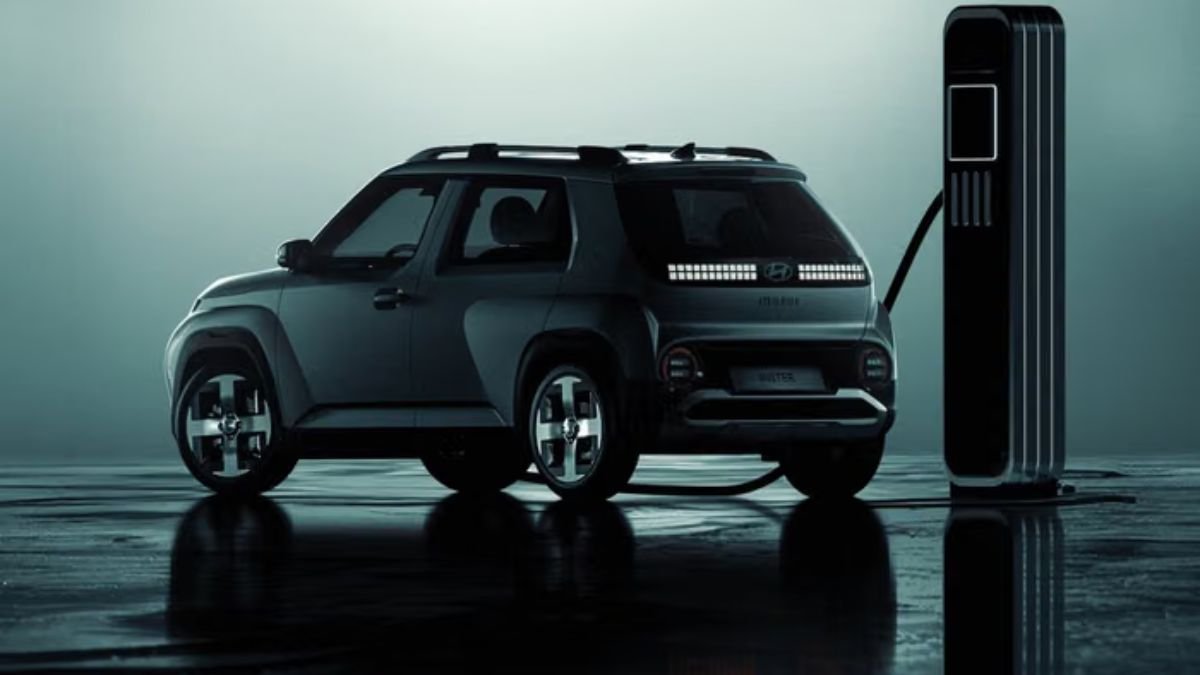
Hyundai’s upcoming compact electric SUV has the potential to become one of the most exciting affordable EV launches in India. With an expected driving range of over 500 kilometres, premium technology, advanced safety features, and a fresh design, the new model could appeal to a wide range of buyers looking to switch to electric mobility.
If Hyundai manages to combine competitive pricing with the expected features and long driving range, the upcoming compact EV could become a strong rival to existing electric SUVs and further strengthen Hyundai’s presence in India’s growing EV market.
FAQs
Q1. What is the expected driving range of Hyundai’s upcoming compact EV?
Answer: The larger battery variant may offer over 500 km of driving range.
Q2. When will the Hyundai compact electric SUV launch?
Answer: It may launch by late 2026 or early 2027 in India.
Q3. How many battery options are expected for this EV?
Answer: Hyundai is expected to offer two battery pack options for buyers.
Q4. Which cars will compete with Hyundai’s new compact EV?
Answer: Tata Nexon EV, Punch EV, XUV 3XO EV, and Kia Syros.
Q5. Will the Hyundai compact EV support fast charging?
Answer: Yes, the larger battery variant is expected to support DC charging.
Disclaimer: This article is based on spy images, industry reports, and unofficial information. Hyundai has not officially confirmed the final specifications, pricing, features, or launch timeline of the upcoming compact electric SUV. Actual details may change before the vehicle is officially unveiled.
Also read:
Chery iCaur V25 Hybrid SUV: Unveiled, Could Challenge Mahindra Thar in India Soon