
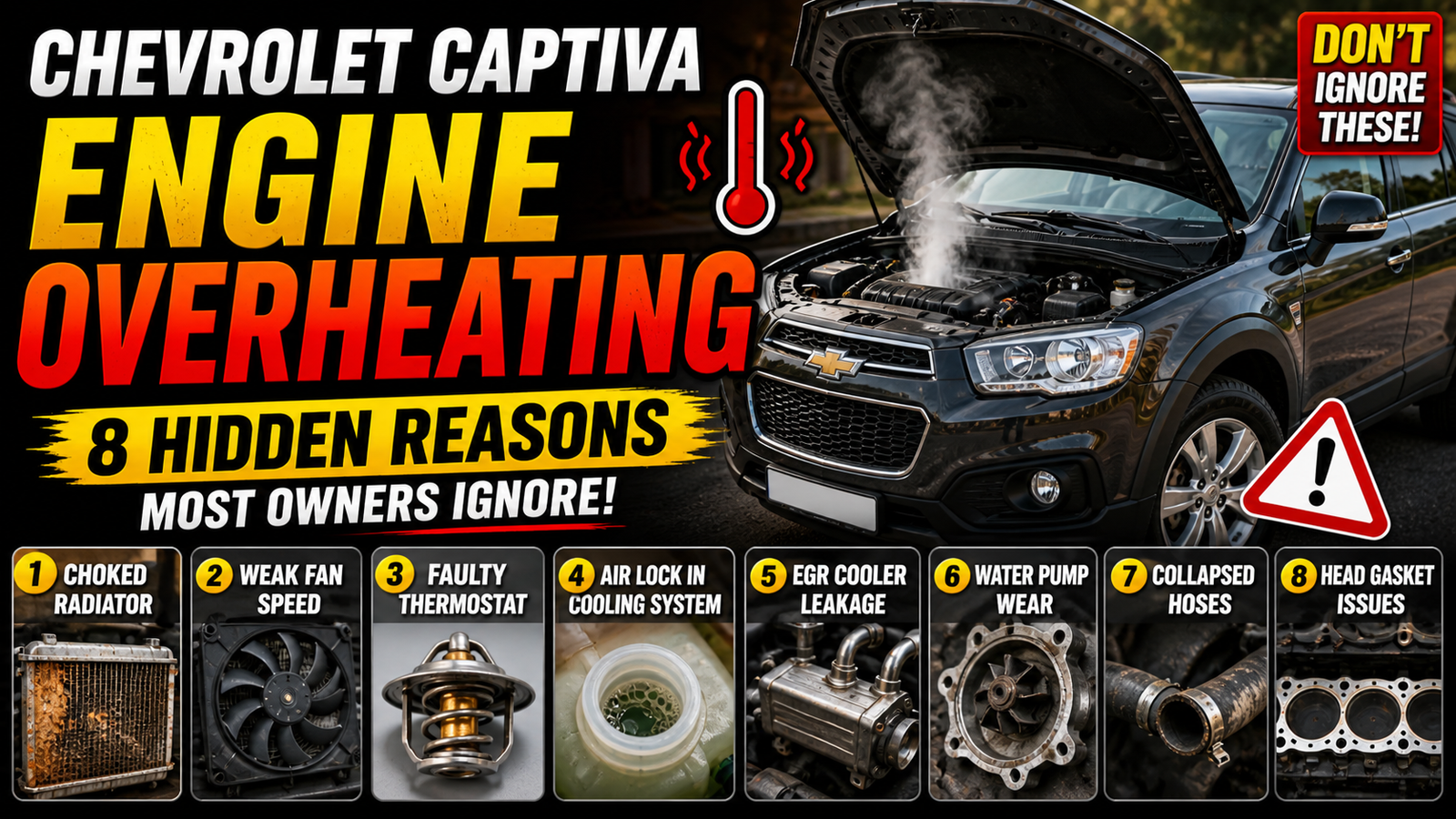
8 Hidden Causes Most Owners Ignore: Chevrolet Captiva Engine Engine Overheating: 8 Hidden Reasons Most Owners Ignore
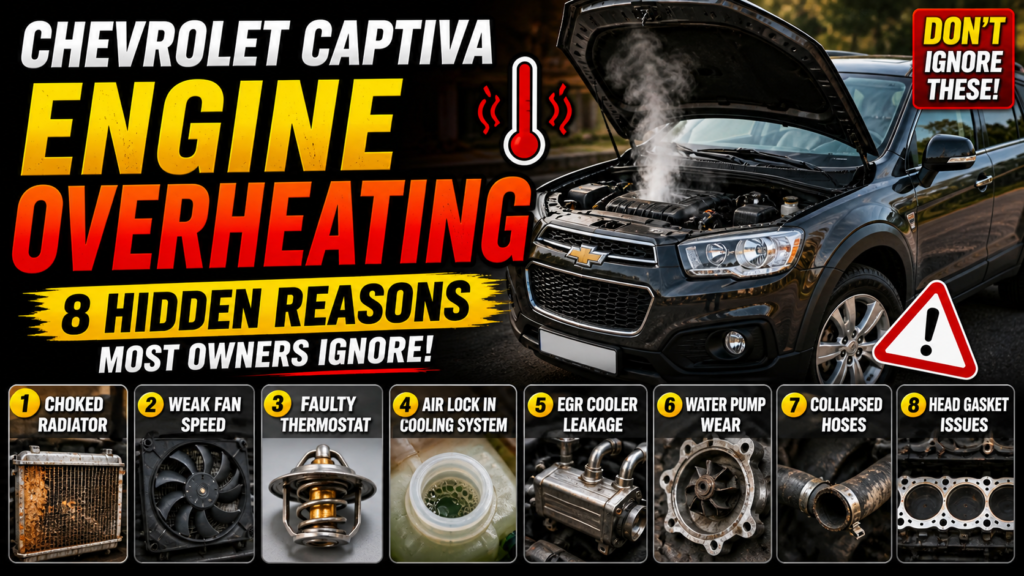
One of the most serious problems faced by SUV owners is engine overheating. Most drivers with the Chevrolet Captiva engine overheating problem believe it is simply a matter of topping up the coolant or a faulty fan. But in fact, overheating in this SUV is often caused by hidden mechanical and cooling system problems that are easily missed during routine service.
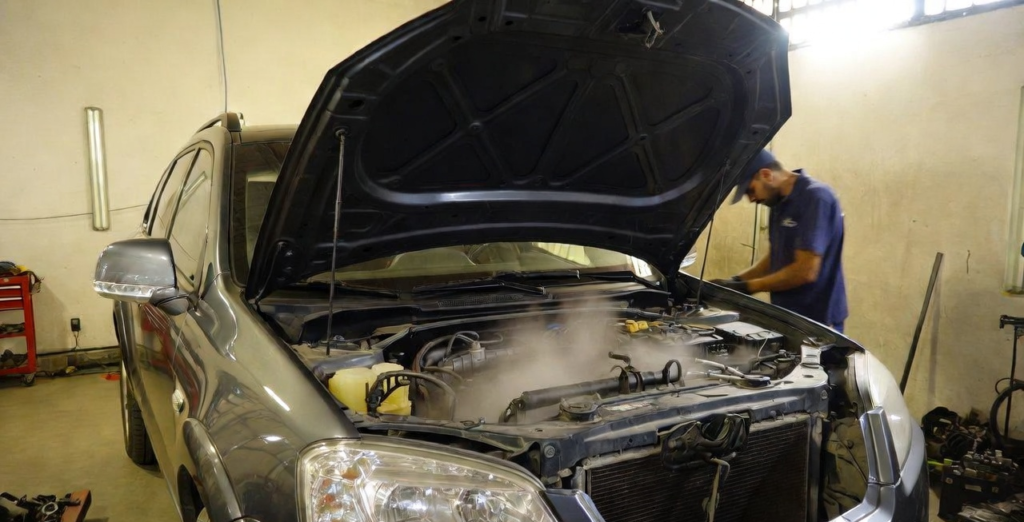
If your temperature gauge is climbing in traffic, you have to top off coolant often, or the AC stops cooling when the engine gets hot, this guide will show you the real causes of Chevrolet Captiva engine overheating.
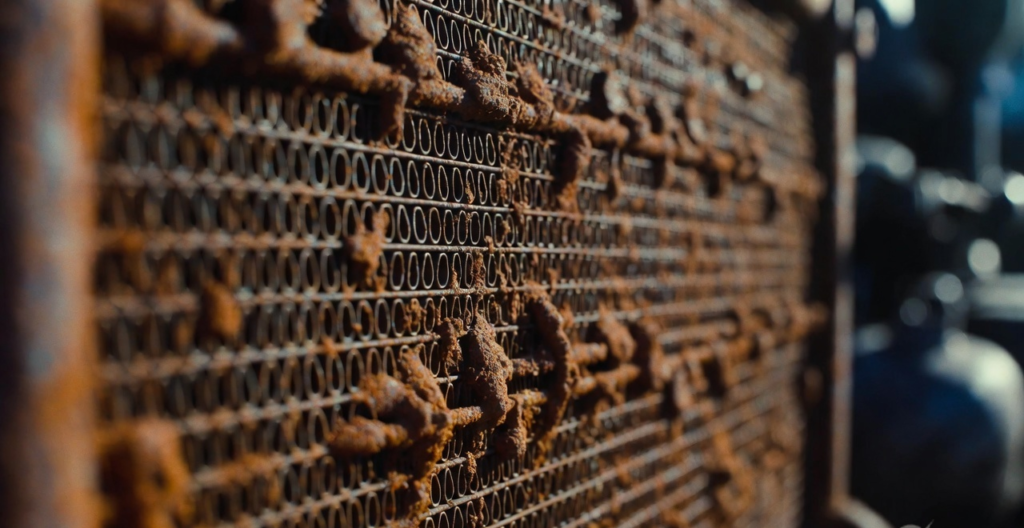
1) Partially Blocked Radiator (Internal Rust & Scale)1
Inside the radiator core, particles of rust and minerals accumulate over time. The radiator looks okay from outside, but the flow of coolant inside is restricted.
Symptoms:
- Overheat of traffic
- Boiling coolant
- Radiator temperature uneven (hot spots and cold spots)
Often a radiator flush is not enough. Many cases of engine overheating in Chevrolet Captiva require rodding or replacement of the radiator.
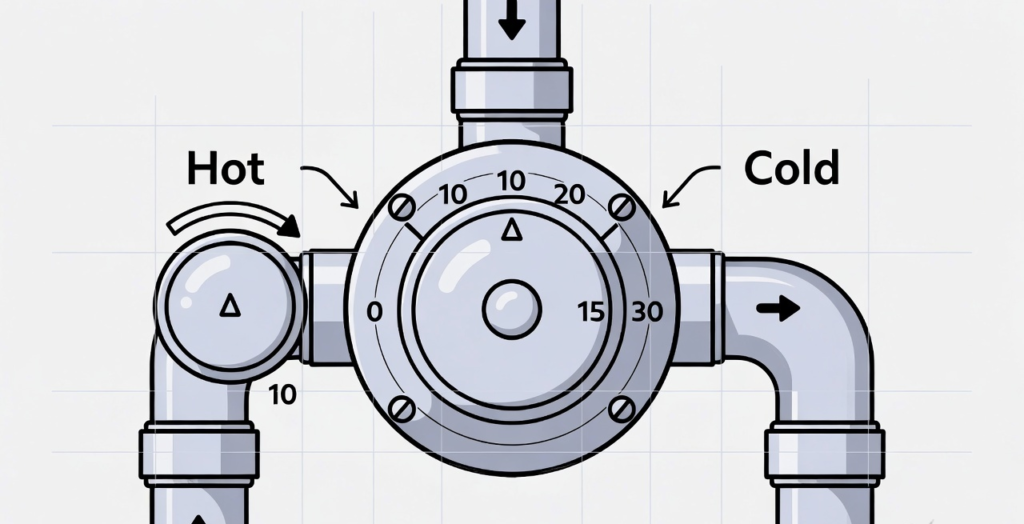
2) Slow Radiator Fan Speed (Not Fully Dead)2) Weak Radiator Fan Speed (Not Fully Dead)
Now and then the radiator fan comes on, but not full power. Faulty fan motor or faulty resistor reducing air flow through radiator.
Symptoms:
- Traffic only increases the temperature.
- Normal temperature highway
- AC cooling goes down when idling
This partial failure is a common but ignored reason for overheating Chevrolet Captiva engine.
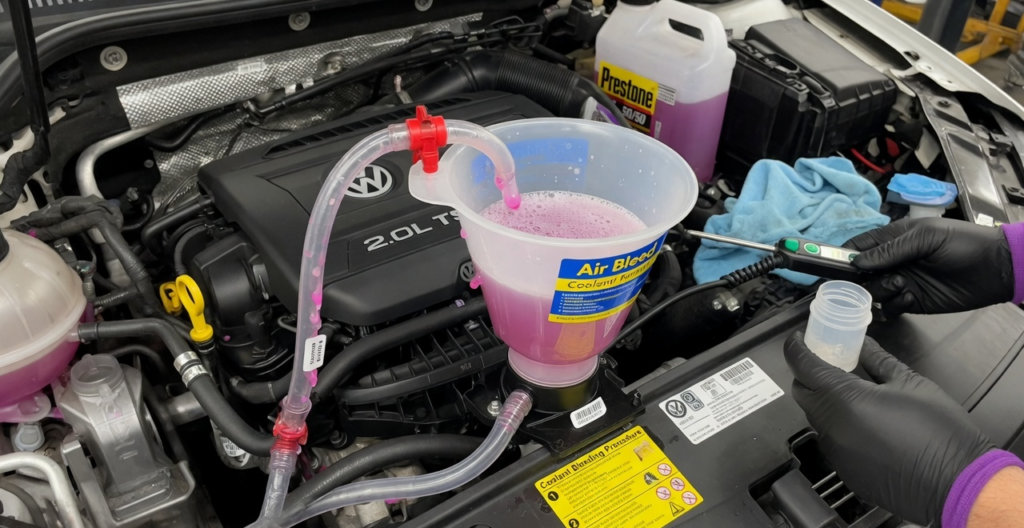
3) Thermostat Valve Jammed Half Open/Closed3) Thermostat Valve Stuck Half-Open or Closed
The thermostat regulates the flow of coolant to the radiator. If it’s clogged, the circulation of the coolant will be disturbed.
Symptoms:
- Temperature surges
- Heater is not functioning properly
- Upper hose very warm, lower hose cold
A faulty thermostat is a small component but a major cause of Chevrolet Captiva engine overheating.
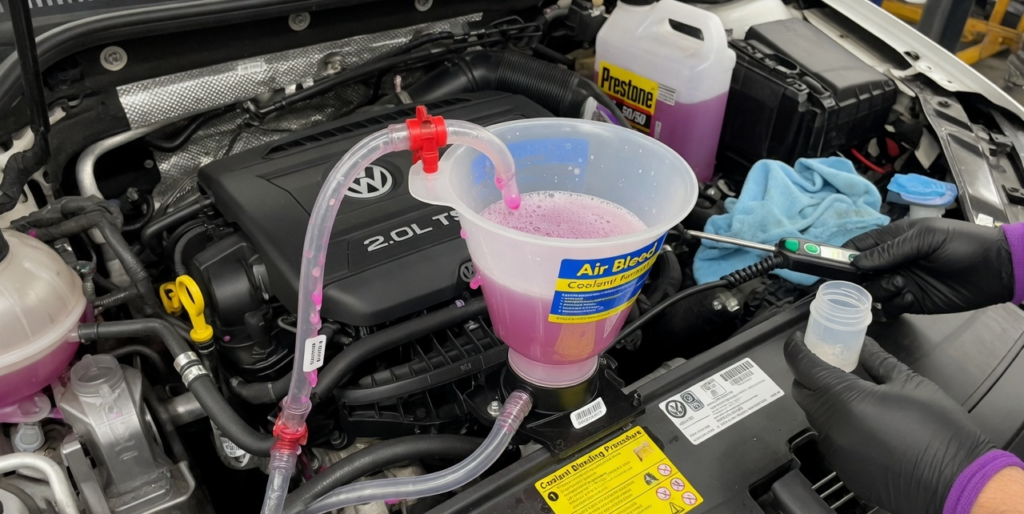
4) Air lock in cooling system after coolant topping up
Improper coolant refilling can trap air in the system, through the cooling lines. This air pocket prevents coolant from flowing properly.
Symptoms:
- Temperature variation
- No leak visible.
- Gurgling noise in dash
Air bleeding is a must after coolant work to prevent Chevrolet Captiva engine overheating.
5) EGR Cooler Leakage (Diesel Variant)
In diesel models, the EGR cooler can leak internally, mixing exhaust heat with the coolant system.
Symptoms:
- Coolant loss without external leak
- White smoke sometimes
- Overheating under load
This hidden fault is frequently missed and directly contributes to Chevrolet Captiva engine overheating.
6) Water Pump Impeller Wear
The water pump circulates coolant. If the impeller blades wear out or loosen, coolant flow becomes weak.
Symptoms:
- Overheating at higher RPM
- No visible leak
- Heater performance drops
A worn pump silently causes Chevrolet Captiva engine overheating even when everything else looks normal.
7) Failed or Soft Coolant Hoses
When old rubber hoses get hot they can collapse inside and restrict the coolant flow.
Symptoms:
- Hose looks good from outside
- Over heating after long drive
- Coolant pressure problems
Often, engine overheating in the Chevrolet Captiva can be fixed simply by replacing aging hoses.
8) Symptoms of Head Gasket Failure
Common overheating that is ignored can damage the head gasket.
Symptoms:
- White smoke
- White engine oil
- Continuous loss of coolant
- Bubbles in cooling tank
Chevrolet Captiva engine overheating is a serious engine repair problem at this point.
Why Normal Service Gets This Wrong
Regular service checks:
- Coolant level
- Fan operating
- Leakage seen
But the real reason for Chevrolet Captiva engine overheating is internal, pressure or flow related and need proper diagnosis.
Final Checklist To Solve The Issue
Have your mechanic do the following:
✔ Radiator flow test/rodding
✔ Fan speed and relay testing
✔ Check thermostat
✔ Air bleeding done right
✔ EGR Cooler Pressure Testing (Diesel)
✔ Water pump check
✔ Check hose condition
✔ Head gasket leak test test
Summary
The engine overheating problem of Chevrolet Captiva is caused by one visible fault, which is unusual. It is usually a combination of hidden cooling system problems that have built up over time. Early diagnosis can save you from huge engine damage and costly repairs.
If your Captiva shows rising temperature, don’t ignore it. Follow this 8-point guide and fix the root cause before it turns into a breakdown.
chevrolet captiva cooling problem, suv overheating issue, radiator choke symptoms, thermostat valve problem, coolant circulation issue, diesel egr cooler leak, water pump failure signs, car overheating in traffic, head gasket warning signs, engine temperature high
Read this – Baleno Starting Problem & Major Service Guide | 5 Causes, Fixes, and Maintenance Tips
Read this – Turbo problem in diesel engine? How to Identify in 2 Minutes
Read this – Kia Seltos Price List 2026 – Complete Review, Specs & Features
Read this – Big announcements for Maruti lovers,must see the features