
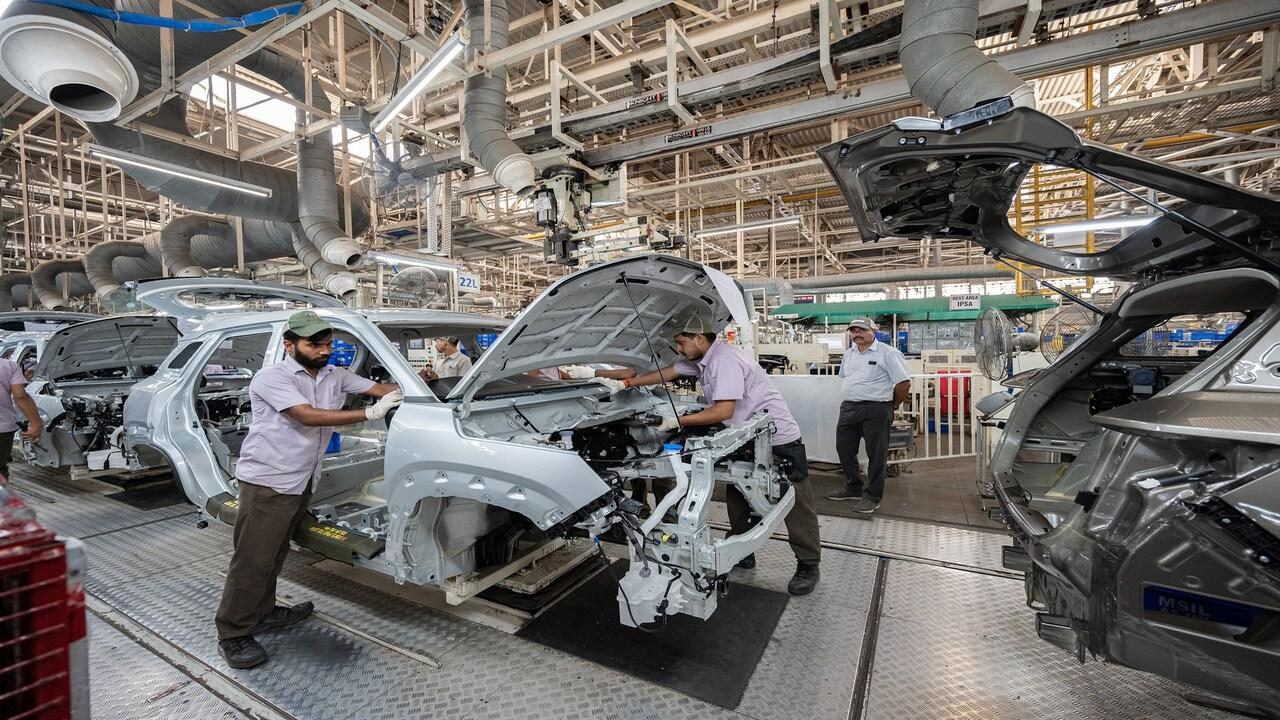
SEO Meta Description: Maruti Suzuki sustainable capacity plans focus on stable production, manufacturing expansion, quality improvement and future growth in India’s automobile market.
Table of Contents
Maruti Suzuki to Focus on Sustainable Capacity Expansion in India
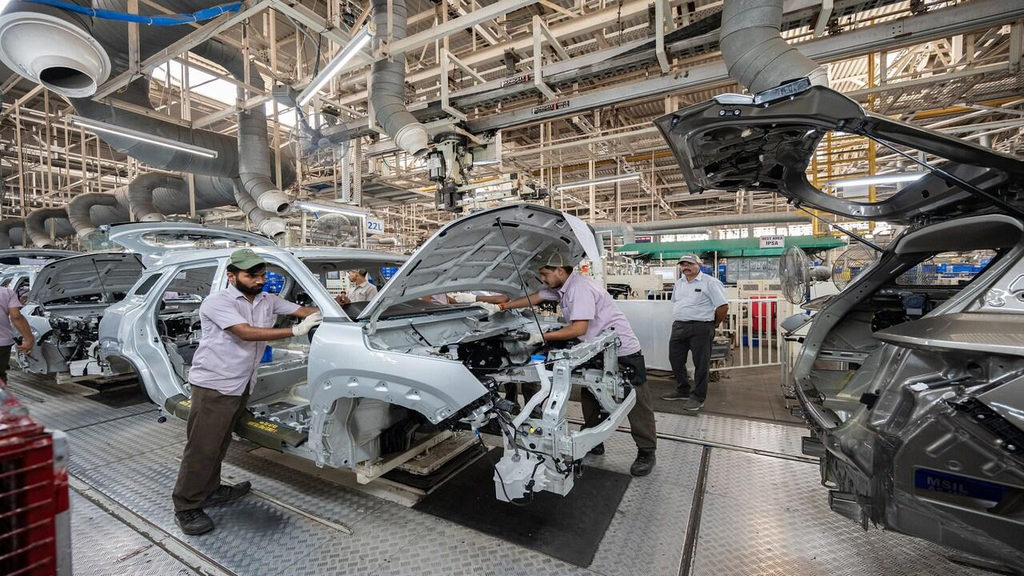
Maruti Suzuki is changing its manufacturing strategy to support long-term growth in India’s automobile market. Instead of increasing production without proper planning, the company wants to focus on stable operations, better quality and sustainable manufacturing.
The Maruti Suzuki sustainable capacity plan aims to balance customer demand, production efficiency and product quality. The company believes that building a strong manufacturing system is more important than simply increasing vehicle production.
The Maruti Suzuki sustainable capacity strategy will help the automaker prepare for future demand while maintaining operational stability.
1. Focus on Stable Production
Maruti Suzuki is targeting an annual production capacity of approximately 2.9 million vehicles through improved factory operations and extended working hours.
The company is planning 24-hour, six-day operations during the current year, followed by approximately 20-hour, six-day operations next year.
The Maruti Suzuki sustainable capacity approach focuses on making existing facilities more efficient before taking further expansion decisions.
This strategy can help maintain production quality and reduce operational pressure.
2. Expansion of Manufacturing Facilities
Maruti Suzuki is also considering additional production lines at its Kharkhoda facility in Haryana and further expansion in Gujarat.
The company has already strengthened its manufacturing network through new production facilities.
Its Kharkhoda plant currently has an annual capacity of 500,000 vehicles, while the Hansalpur facility in Gujarat has reached one million units annually.
The Maruti Suzuki sustainable capacity strategy will support its long-term ambition of reaching four million vehicles in annual production capacity.
These developments could also generate employment and strengthen India’s automobile manufacturing industry.
3. Investment in Future Growth
Maruti Suzuki has planned approximately ₹77,500 crore in capital expenditure between FY2027 and FY2031.
This investment will support manufacturing expansion, research and development, new vehicle models and cleaner production technologies.
The Maruti Suzuki sustainable capacity plan also includes investment in logistics and sales infrastructure.
The company wants to increase production without creating unnecessary financial and operational pressure.
4. Focus on Quality and Customer Demand
Maruti Suzuki is not interested in increasing production at the expense of vehicle quality.
The Maruti Suzuki sustainable capacity strategy gives importance to employee training, supplier development and manufacturing safety.
The company is also monitoring demand for SUVs, small cars and CNG vehicles.
Its Q2 FY2026-27 results showed record quarterly sales of 696,654 vehicles, indicating strong demand.
5. Challenges Ahead
Although the company has strong growth plans, it faces several challenges:
- Rising raw material costs.
- Increasing competition in the SUV segment.
- Changing customer preferences.
- Supply-chain management.
- Investment requirements for electric vehicles.
- Maintaining consistent production quality.
The Maruti Suzuki sustainable capacity strategy will need careful execution to overcome these challenges.
Frequently Asked Questions (FAQs)
Q1. What is Maruti Suzuki’s sustainable capacity strategy?
The Maruti Suzuki sustainable capacity strategy focuses on stable production, manufacturing efficiency, quality and phased factory expansion.
Q2. What is Maruti Suzuki’s current production capacity?
Its annual production capacity has reached approximately 2.9 million vehicles.
Q3. What is Maruti Suzuki’s future production target?
The company has a long-term ambition to achieve four million units of annual production capacity.
Q4. Why is Maruti Suzuki focusing on sustainable production?
The Maruti Suzuki sustainable capacity plan aims to balance growing customer demand with product quality, safety and manufacturing efficiency.
Conclusion
Maruti Suzuki is preparing for its next growth phase by focusing on manufacturing efficiency, stable production and planned factory expansion.
The Maruti Suzuki sustainable capacity strategy could strengthen its position in India’s automobile market and support future vehicle demand.
Rather than chasing production numbers alone, the company wants to build a reliable manufacturing system. Its success will depend on maintaining quality, controlling costs and delivering vehicles on time.
Disclaimer
This article is published for informational and educational purposes only. Information is based on publicly available company announcements and news reports as of November 2026. Production targets and investment plans may change. This article does not provide financial or investment advice.
Also read-
Maruti Suzuki Brezza 2026: कीमत, माइलेज, फीचर्स और लॉन्च डेट – क्या यह बनेगी 2026 की सबसे बेस्ट SUV?
CFMoto 550MT and 550MT-X 2026 – Two New Adventure Bikes Revealed
MIVV HR-1 Exhaust for Harley-Davidson Softail Revealed at EICMA 2026
Bajaj Pulsar 180 Discontinued in India 2026 – Reasons & Latest Update





Avnish Tiwari is a seasoned automotive content creator and technical researcher with 5+ years of experience decoding car tech, mechanical systems, and vehicle performance.