
India Govt Proposes Mandatory Emergency braking systems in new car models from October 2030. Learn how AEBS works, key deadlines and what it means for buyers.
Table of Contents
Govt Proposes Mandatory Emergency?
The mandatory emergency braking system in cars proposal aims to make advanced braking technology standard across passenger-car models in India in phases.
According to the draft notification dated October 19, 2026, the proposed deadlines are:
| Deadline | Proposed requirement |
|---|---|
| October 1, 2028 | Vehicles already equipped with AEBS must meet the specified AIS-185 standard |
| October 1, 2030 | AEBS required for newly introduced M1 passenger-car models |
| October 1, 2032 | Requirement extended to all M1 models, including existing models still in production |
The proposal is open to public feedback before the government considers the next steps.
How Does an Emergency Braking System Work?
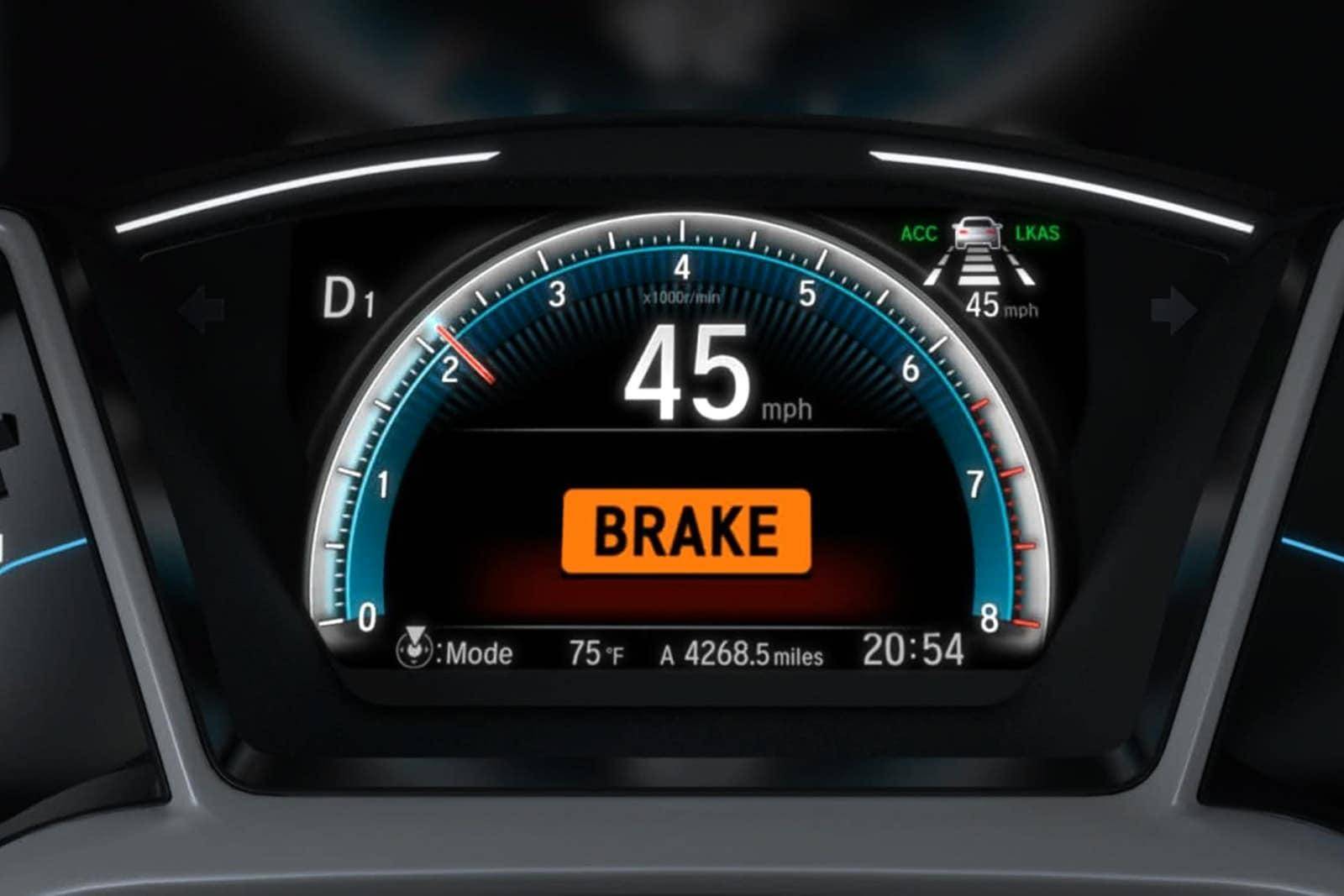
An Advanced Emergency Braking System, or AEBS, is a driver-assistance technology designed to help prevent or reduce the severity of a collision.
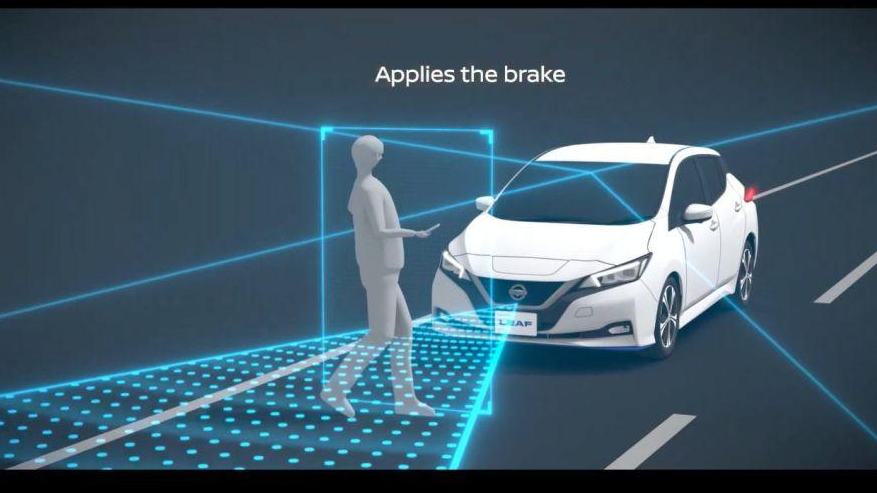
The system uses sensors and cameras, depending on the vehicle’s design, to monitor the road ahead. If it detects a potential collision and the driver does not react in time, it can automatically apply the brakes (Govt Proposes Mandatory Emergency).
For example, if a vehicle ahead suddenly stops and the driver fails to brake, the system may intervene to slow the car or avoid the impact.
However, AEBS is not a replacement for attentive driving. Its effectiveness depends on the system, road conditions, vehicle speed and the type of obstacle detected.
Why Is This Rule Important for Indian Car Buyers?
The proposed mandatory emergency braking system in cars could expand access to active safety technology beyond premium vehicles.
Today, advanced driver assistance systems (ADAS) are offered on selected variants of some cars. If the proposal is implemented, manufacturers would need to plan for AEBS in the vehicles covered by the new deadlines.
This could have three important effects:
- Improved safety: Automatic braking may help prevent certain collisions or reduce their impact.
- Changes in vehicle design: Carmakers may need to adapt sensors, software and braking systems to meet the applicable standards.
- Possible cost implications: The impact on vehicle prices will depend on how manufacturers implement the technology and manage production costs.
The actual benefits and costs will become clearer as the rules are finalised and manufacturers prepare compliant vehicles (Govt Proposes Mandatory Emergency).
Will All Existing Cars Need an Upgrade?
The proposal sets deadlines for vehicles manufactured after the relevant dates. It does not, as currently reported, require private owners to retrofit AEBS to cars they already own.
Buyers considering a car today should check whether the specific variant includes automatic emergency braking or other ADAS features. A forward-collision warning alone is not necessarily the same as automatic braking.
What Other Vehicle Safety Changes Are Proposed?
The draft also covers steering and lane-keeping standards. Separate requirements are proposed for certain passenger vehicles registered as transport vehicles, including technologies related to steering assistance and emergency lane keeping. These measures have their own implementation timelines and conditions.
FAQs
1. When will emergency braking become mandatory in new cars in India?
Under the proposal, new M1 passenger-car models manufactured from October 1, 2030, would need AEBS. The requirement would extend to all M1 models from October 1, 2032.
2. What is AEBS in a car?
AEBS stands for Advanced Emergency Braking System. It can automatically apply the brakes when a potential collision is detected and the driver does not respond appropriately.
3. Will affordable cars also get this feature?
If the proposal is adopted as drafted, it would cover the M1 passenger-vehicle category, which includes most cars sold in India. Final requirements and compliance details will depend on the approved rules.
4. Will existing car owners need to install AEBS?
The current proposal concerns vehicle manufacturing and model compliance deadlines. It does not indicate a general retrofit requirement for privately owned cars.
5. Is the emergency braking rule final?
No. As of October 23, 2026, it is a draft proposal open to public feedback. The final rules may clarify or change the requirements.
Conclusion
The proposed mandatory emergency braking system in cars rule could represent a significant change in India’s vehicle-safety requirements. If implemented, AEBS would become a required feature for new passenger-car models from October 2030, with existing models still in production covered from October 2032.
For buyers, the key point is to understand the difference between safety warnings and systems that can actively brake the vehicle. Automatic emergency braking can provide an additional layer of protection, but safe driving, proper distance and attention to road conditions remain essential.
Disclaimer: This article is based on reporting about the draft proposal available on October 23, 2026. Timelines and requirements may change before final notification. Check official MoRTH announcements for updates.
Also read-
Hyderabad to Goa and Back: Kia Seltos Highway Driving Review
Bangalore to South Goa Road Trip: Best Route, Road Conditions & Food Stops
Bike Ride to Isha Adiyogi Centre: Travel Experience & Photos
Car PPF: Benefits, Cost and Who Should Consider It
Maruti Suzuki Brezza 2026: कीमत, माइलेज, फीचर्स और लॉन्च डेट – क्या यह बनेगी 2026 की सबसे बेस्ट SUV?