
Learn how to check car odometer tampering with simple inspection methods, service records, tyre wear, digital checks, and mechanic advice.
Table of Contents
Introduction
When buying a used car, the odometer reading can tell you about the vehicle’s usage. However, some buyers worry that the mileage may have been changed to make a car look less driven. Knowing how to check car odometer tampering can help you identify warning signs before buying a second-hand vehicle. By checking service records, vehicle condition, tyres, interior parts, and electronic information, you can make a more informed decision.
What Is How to Check Car Odometer Tampering?
How to check car odometer tampering means checking whether the mileage shown on a vehicle’s odometer appears consistent with its service history and overall condition. In older vehicles, mechanical odometers could be physically altered, while modern vehicles may store mileage information electronically.
A mileage reading should therefore be checked along with other available vehicle records rather than considered alone.
Why Is How to Check Car Odometer Tampering Important?
Knowing how to check car odometer tampering is particularly useful when purchasing a used car. A lower displayed mileage may make a vehicle appear more attractive, but the actual condition of the car may tell a different story.
Checking the mileage against service invoices, inspection records, previous readings, and vehicle condition can help identify inconsistencies.
Main Signs of Possible Odometer Tampering
1. Inconsistent Service Records
Check previous service invoices and maintenance records. If an older service record shows a higher mileage than the current odometer, this is an important warning sign.
2. Excessive Pedal Wear
Look at the brake, clutch, and accelerator pedals. Heavy wear combined with a very low mileage reading may require further investigation.
3. Steering Wheel and Gear Knob Wear
A heavily worn steering wheel, gear lever, or other frequently used interior parts may not appear consistent with extremely low mileage. These signs alone do not prove tampering, but they can raise questions.
4. Tyre Condition
Check the tyre age, tread, and overall condition. Tyres are replaced for many reasons, so they cannot independently confirm mileage, but they can provide useful clues when considered with other evidence.
5. Digital Odometer or Diagnostic Inconsistencies
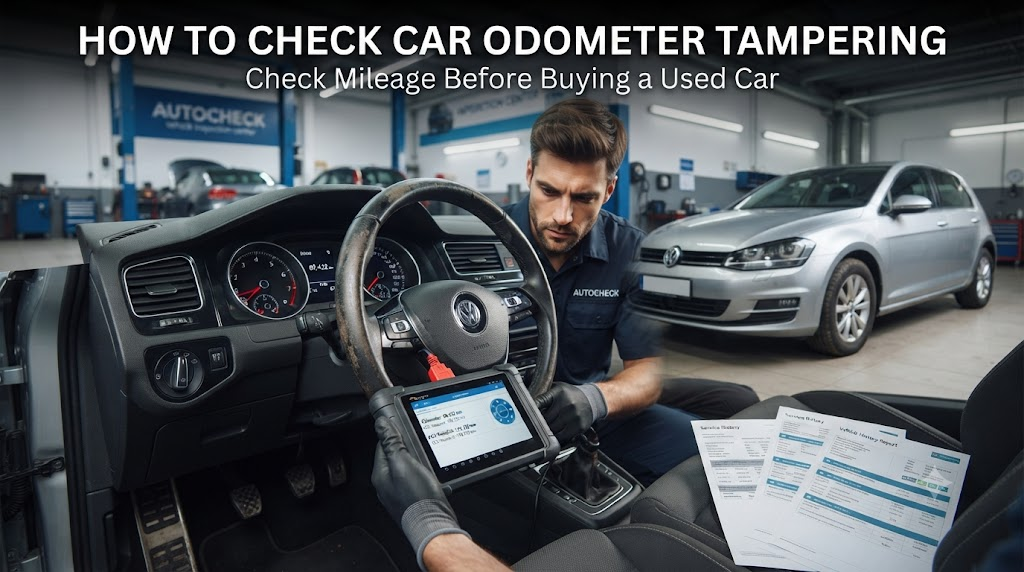
Modern vehicles may store mileage-related information in electronic control systems. A qualified technician with suitable diagnostic equipment may be able to identify inconsistencies between displayed information and available vehicle data.
How to Check Car Odometer Tampering
Start by recording the current odometer reading. Then compare it with available service bills, inspection reports, insurance or maintenance documents, and previous vehicle records.
Check the vehicle’s overall condition and look for a mismatch between the displayed mileage and visible wear. For a modern car, consider having a professional inspect the vehicle using appropriate diagnostic equipment.
If the seller cannot explain an important difference in mileage records, ask for supporting documents before making a purchase.
How to Prevent the Problem
Before buying a used car, verify its service history and keep copies of relevant records. Buy from a seller who is willing to provide reasonable documentation about the vehicle’s maintenance and ownership history.
Do not judge a car only by its displayed mileage. Compare the odometer with the vehicle’s age, maintenance records, interior condition, tyres, and mechanical condition.
When Should You Visit a Mechanic?
If you notice inconsistent mileage records, unusual wear, missing service history, or electronic warning signs, get the vehicle inspected by an experienced mechanic or professional inspection service.
A mechanic can examine the vehicle’s mechanical condition and, where appropriate, use diagnostic equipment to look for additional information.
FAQs
How can I check car odometer tampering?
You can check car odometer tampering by comparing the displayed mileage with service records, inspection documents, vehicle wear, and available electronic diagnostic information.
Can a digital odometer be tampered with?
Digital odometers can potentially be manipulated, so the displayed number should not be treated as the only proof of a vehicle’s actual usage.
Can service history reveal odometer tampering?
Yes. Previous service records can provide useful mileage history. A significant unexplained difference between an older recorded reading and the current reading should be investigated.
Does low mileage always mean odometer tampering?
No. A low-mileage vehicle can be genuine. The mileage should be considered together with service records, age, condition, and other available evidence.
Should I get a mechanic inspection before buying?
Yes. If you are unsure about the mileage or overall condition, a professional inspection can help identify mechanical issues and possible inconsistencies.
Conclusion
Learning how to check car odometer tampering can help used-car buyers investigate suspicious mileage readings before purchasing a vehicle. Check service records, inspect interior and tyre wear, compare available documents, and consider professional diagnostic inspection for modern vehicles. Most importantly, do not rely on the odometer reading alone when evaluating a used car.
Disclaimer
This article is for general informational purposes only. The signs discussed do not independently prove odometer tampering. Vehicle records and inspection methods can vary by vehicle and market. Always verify available records and consult a qualified mechanic or professional inspection service before purchasing a used car.
Also read:
Mercedes-AMG G 63 Offroad Pro Arrives With 585 HP And Serious Off-Road Tech




1 thought on “How to Check Car Odometer Tampering: Easy Guide for Used Car Buyers”