
Understanding OBD Code P0420: Catalyst System Efficiency Below Threshold (Bank 1)
Comprehensive, expert-level analysis of OBD Code P0420 – Catalyst System Efficiency Below Threshold (Bank 1) including causes, diagnosis methods, repair solutions, and preventative strategies. Understand what triggers the code, how to interpret live data, and the impact on emissions and performance. Essential guide for DIYers and professional technicians.
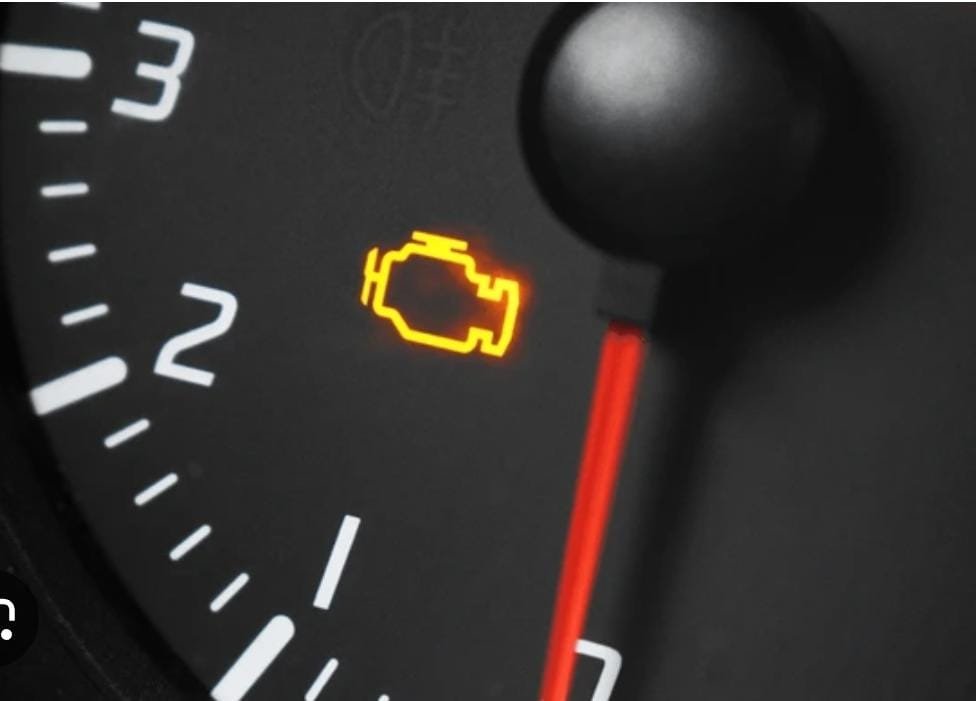
The P0420 diagnostic trouble code (DTC) is one of the most common check engine light triggers in modern vehicles with OBD-II systems. It indicates that the catalytic converter’s efficiency on Bank 1 has fallen below the expected threshold as measured by the vehicle’s onboard sensors. Because this code can stem from multiple sources—from genuine converter failure to simple sensor issues—accurate diagnosis and repair are vital to avoid unnecessary costs.
What is P0420 and Why It Matters
The OBD code P0420 – Catalyst System Efficiency Below Threshold (Bank 1) is set when the Powertrain Control Module (PCM) detects that the catalytic converter is not performing as efficiently as expected.
Bank 1 refers to the side of the engine that contains cylinder #1.The PCM compares data from upstream (pre-catalyst) and downstream (post-catalyst) oxygen sensors. If the downstream sensor’s signal mirrors the upstream signal too closely over time, it suggests the converter is no longer sufficiently scrubbing emissions.
Why it matters: Catalytic converters are essential for reducing harmful exhaust emissions (HC, CO, NOx). A failing converter increases pollution, reduces fuel efficiency, and can cause a vehicle to fail emissions testing.
Common Causes of P0420
A P0420 code may result from several mechanical or electrical issues. The most common causes include:
A. Failing or Contaminated Catalytic Converter
The converter’s substrate may degrade due to extended use, overheating, or contamination (e.g., oil or coolant entering the exhaust stream).
B. Faulty Oxygen (O2) Sensors
Both upstream and downstream sensors are critical. A failing sensor can produce inaccurate voltage readings leading to incorrect efficiency readings.
C. Exhaust Leaks
Leaks between the O2 sensors and the converter can cause false readings. Leaks can also alter backpressure and airflow.
D. Engine Running Conditions
Problems like misfires, rich or lean air-fuel ratios, and faulty fueling components can damage the catalytic converter over time.
E. Wiring / Connector Issues
Damaged sensor wiring or poor connections can produce erratic O2 sensor data, falsely indicating converter inefficiencies.
OBD Code P0420 Diagnostic Approach Methods and Tools
Accurate diagnosis is essential before replacing any component. A systematic approach includes:
A. Retrieve and Compare Data
Using a scan tool with live data capability, compare upstream and downstream O2 sensor voltage patterns:
Healthy converter → downstream sensor has much smaller voltage swings than upstream.
Failing converter → downstream sensor mirrors upstream voltage too closely.
B. Check for Related Codes
Additional codes may indicate root causes (e.g., misfire codes, fuel trim anomalies).
C. Inspect Sensors and Wiring
Visually check sensor wires, connectors, and harnesses for damage, corrosion, or disconnection.
D. Check for Exhaust Leaks
Listen for hissing/ tapping sounds and perform a smoke test if available.
E. Fuel System and Ignition Check
Evaluate spark plugs, coils, injectors, and fuel trims to ensure the engine runs efficiently and doesn’t harm the converter.
Repair Strategies and Solutions
The correct repair depends entirely on the root cause:
A. Oxygen Sensor Replacement
If sensors are old (typically after 60,000–90,000 km) or showing faulty signals, replace with OEM-grade sensors.
B. Catalytic Converter Replacement
Replace only when diagnostics confirm converter degradation or physical damage. Aftermarket vs OEM choices will vary by vehicle and emissions standards in your region.
C. Fixing Exhaust Leaks
Repair gaskets, flanges, or cracked pipes to restore proper exhaust flow and sensor readings.
D. Address Engine Performance Issues
Correct misfires, rich/lean conditions, and other engine performance issues that can damage the converter over time.
E. Wiring Repair
Repair or replace damaged wiring or connectors to restore correct sensor data transmission.
OBD Code P0420 Costs, Risks, and Preventive Tips
A. Typical Repair Costs
O2 Sensor Replacement: Moderate cost (parts + labor).
Catalytic Converter Replacement: High cost—can be one of the most expensive exhaust repairs.
Costs vary widely by vehicle make, model, and regional labor rates. Always obtain multiple quotes.
B. Risks of Ignoring OBD Code P0420
Increased emissions
Potential damage to the new catalytic converter
Failed emissions testing
Reduced fuel efficiency and performance
C. Preventive Maintenance
Regular tune-ups and fuel system cleaning.
Promptly fix misfires or oil/coolant leaks.
Use high-quality fuels and OEM replacement parts.
Understanding and Resolving P0420 Efficiently
The P0420 code – Catalyst System Efficiency Below Threshold (Bank 1) is often misunderstood and misdiagnosed. While a failing catalytic converter is common, it is not always the root cause. A thorough diagnostic process—leveraging live sensor data, visual inspections, and engine performance checks—is crucial to pinpoint the real issue and avoid costly repairs. Addressing underlying causes such as engine inefficiencies, sensor faults, and exhaust leaks not only resolves the code but also enhances performance, fuel economy, and emissions compliance. Proper maintenance and early intervention are key to prolonging the life of the catalytic system and ensuring reliable vehicle operation.
OBD Code P0122 – Throttle/Pedal Position Sensor/Switch “A” Circuit Low (Static)