
OBD Code P0122 – Throttle/Pedal Position Sensor/Switch “A” Circuit Low (Static)
Learn everything about OBD Code P0122 – Throttle/Pedal Position Sensor/Switch “A” Circuit Low (Static). Understand its causes, symptoms, diagnosis, and repair solutions to fix performance issues and prevent future throttle system failures.
OBD Code P0122: What It Means and Why It Matters
The OBD-II code P0122 stands for “Throttle/Pedal Position Sensor/Switch ‘A’ Circuit Low (Static)”, a common diagnostic trouble code that indicates a problem with the throttle position or accelerator pedal sensor system. Modern vehicles rely on these sensors to deliver precise data to the Engine Control Module (ECM) for smooth performance, accurate fuel delivery, and controlled acceleration.
When code P0122 is triggered, it means the ECM has detected a voltage signal that is below the expected range—typically under 0.17 volts—from the throttle position sensor (TPS) or pedal position sensor (PPS). This low signal can disrupt the ECM’s ability to manage throttle input properly, resulting in poor acceleration, rough idling, or even limp mode activation. Understanding this code is essential to prevent performance degradation and costly future repairs.
Understanding the OBD Code P0122 Throttle/Pedal Position Sensor System
vehicles use electronic throttle control (ETC) systems instead of traditional throttle cables. In these systems, the Throttle Position Sensor (TPS) and Accelerator Pedal Position Sensor (APPS) play a critical role in relaying driver input to the engine’s computer.
Throttle Position Sensor (TPS): Mounted on the throttle body, it measures how far the throttle plate is open.
Pedal Position Sensor (PPS): Installed on the accelerator pedal assembly, it measures how far the pedal is pressed.
Both sensors send voltage signals to the ECM, typically ranging from 0.5 volts (idle) to 4.5 volts (wide-open throttle). The ECM uses this information to adjust fuel injection, ignition timing, and air intake. When the signal drops below the expected threshold, the ECM stores the P0122 code, signaling a low-circuit voltage problem in the “A” sensor circuit.
Common Causes of OBD Code P0122
Understanding the root causes of P0122 is essential for accurate diagnosis and effective repair. Several factors can trigger this code, ranging from electrical issues to sensor failures. The most common causes include:
Faulty Throttle Position Sensor (TPS) or Pedal Position Sensor (PPS):
Internal wear, corrosion, or damage can cause incorrect voltage readings.
Damaged or Corroded Wiring:
Loose, frayed, or corroded wires and connectors can disrupt voltage signals between the sensor and ECM.
Sensor Misalignment or Improper Installation:
Incorrectly installed sensors may produce inaccurate readings.
ECM Malfunction:
Although rare, a faulty ECM can misinterpret signals or fail to provide the correct reference voltage.
Throttle Body Contamination:
Dirt or carbon buildup around the throttle plate can restrict movement and affect sensor readings.
Low Battery Voltage:
A weak or unstable power supply can cause intermittent low-voltage readings in sensor circuits.
Identifying the specific cause of the P0122 code ensures a proper fix and prevents the same issue from recurring.
Recognizing the Symptoms of P0122
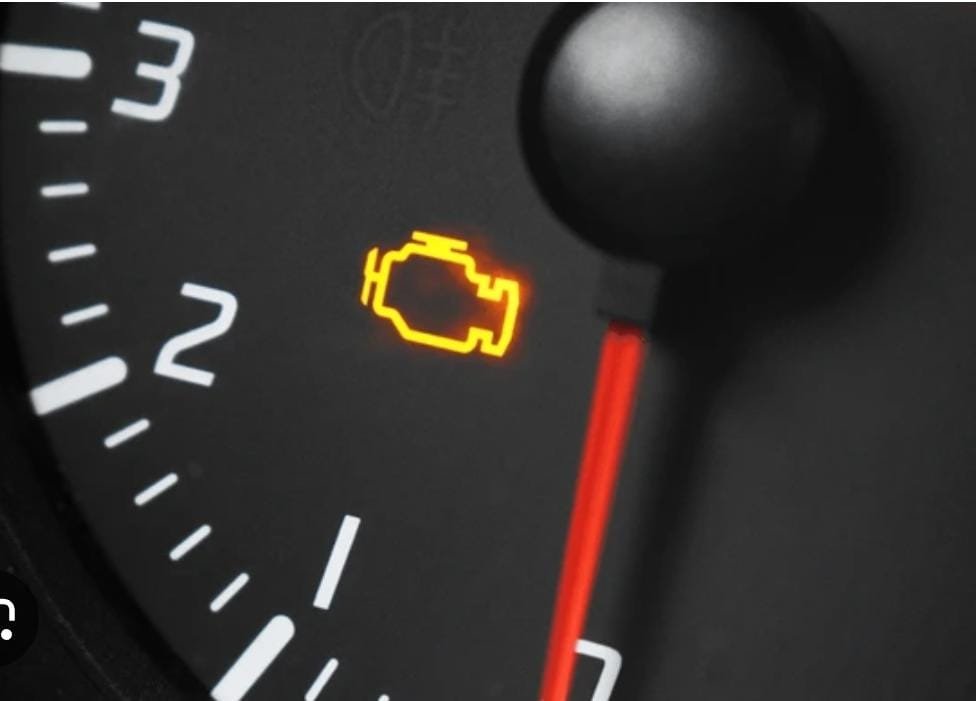
When your vehicle’s Check Engine Light (CEL) turns on and the P0122 code is stored, you may notice several drivability issues. These symptoms are signs that your throttle or pedal position sensor is not communicating correctly with the ECM:
Check Engine Light On:
The first and most obvious indicator.
Poor Acceleration or Hesitation:
The vehicle may feel sluggish or fail to respond smoothly to throttle input.
Engine Stalling or Rough Idle:
Incorrect throttle data can cause unstable idle or sudden stalling.
Reduced Power or Limp Mode:
The ECM may enter “fail-safe” mode to prevent damage, limiting speed and throttle response.
Increased Fuel Consumption:
Incorrect air-fuel ratio leads to reduced fuel efficiency.
Unstable RPMs:
Fluctuating engine speed at idle or during acceleration.
Ignoring these symptoms can lead to worsening performance and potential engine control issues over time.
How to Diagnose OBD Code P0122
A proper diagnostic process is key to resolving P0122 accurately. Follow these systematic steps to pinpoint the issue:
Scan the Vehicle:
Use a professional OBD-II scanner to confirm the P0122 code and check for any related codes such as P0121 or P0123.
Visual Inspection:
Examine the wiring harness and connectors for corrosion, damage, or loose connections.
Voltage Test:
Using a digital multimeter, measure the voltage between the sensor signal and ground. A normal reading should be between 0.5V to 4.5V depending on throttle position. Readings below 0.17V confirm a low circuit condition.
Check Reference Voltage and Ground:
Ensure the sensor receives a stable 5V reference and proper grounding from the ECM.
Throttle Body Inspection:
Clean the throttle body and ensure the throttle plate moves freely without sticking.
Test or Replace the Sensor:
If the sensor’s output remains outside normal range, replace it with an OEM-quality part.
Check the ECM:
If all components check out but the issue persists, test the ECM for internal faults.
A structured diagnostic approach helps avoid unnecessary part replacements and ensures long-term reliability.
Effective Fixes and Preventive Maintenance for P0122
Once diagnosed, resolving P0122 typically involves straightforward repairs or maintenance actions:
Replace the Faulty Sensor:
If the TPS or PPS is defective, install a new OEM or high-quality aftermarket sensor.
Repair or Replace Wiring:
Fix broken, corroded, or loose wires and connectors to restore proper voltage transmission.
Clean the Throttle Body:
Remove carbon deposits and ensure smooth throttle movement.
Update or Replace ECM (if necessary):
In rare cases, reprogramming or replacing the ECM may be required.
Battery and Charging System Check:
Ensure the vehicle’s electrical system maintains a stable voltage.
Preventive Tips:
Regularly clean the throttle body and sensor connectors.
Inspect wiring during routine maintenance.
Avoid water or chemical exposure to sensor connections.
Use diagnostic scans periodically to catch early faults.
Consistent preventive care ensures stable throttle response, better fuel economy, and fewer electronic faults.
Conclusion:
Restoring Performance After a P0122 Fault
The OBD-II Code P0122 – Throttle/Pedal Position Sensor/Switch “A” Circuit Low (Static) serves as a crucial early warning for potential throttle control and performance issues. Ignoring this code can lead to unsafe driving conditions, poor fuel economy, and costly repairs down the line.
By understanding its causes, symptoms, and fixes, you can take informed steps toward resolving the issue efficiently. Whether it’s a simple wiring fix, sensor replacement, or throttle body cleaning, addressing OBD Code P0122 promptly ensures your engine runs smoothly, accelerates properly, and maintains consistent fuel efficiency.
Routine maintenance, quality parts, and timely diagnostics are the keys to preventing this error from reoccurring—keeping your vehicle in peak condition and your drives safe and enjoyable.
Starting Problem in Car bettery: Easy Solutions Every Driver Should Know