
Don’t Start Your Car Immediately After Inserting the Key
Find out why you should not start your car right away after inserting the key. Learn how to start it correctly, the benefits, and how it can improve engine health and fuel economy.
Most drivers are used to putting the key in and turning it all the way to crank the engine. This might sound normal, but auto experts say that waiting a few seconds before starting the car can actually help your car.
Most modern vehicles have many electronic systems, sensors, fuel pumps, engine control units, etc. that require a short time to initialize properly. By following the proper starting procedure you will improve engine performance, reduce wear and tear on your engine and potentially save yourself from expensive repairs in the future.
In this article, we will tell you why you should never jump start your car right after putting the key in and what is the right way to do it.
Why Not to Start the Car Right After Inserting the Key
Fuel pump takes time to build pressure
Turn the key to the ” ON ” position . The fuel pump energizes and begins building fuel pressure in the system.
Also, in older vehicles, the fuel pump may not have enough time to build up optimum pressure if you start the engine immediately.
Electronic systems do self-checks
Today’s cars contain a large number of electronic modules and sensors. These systems run rapid self-diagnostic tests when you switch the ignition on.
A couple of seconds here allows you to check that all systems are ok before starting the engine.
Reduced Battery Load
Switching the motor on immediately can put an immediate load on the battery and starter motor. “Electrical systems take a short time to stabilize.
Better engine efficiency
Engine management systems when properly initialized can assist the engine to start more smoothly and efficiently.
How to Start a Car the Right Way?
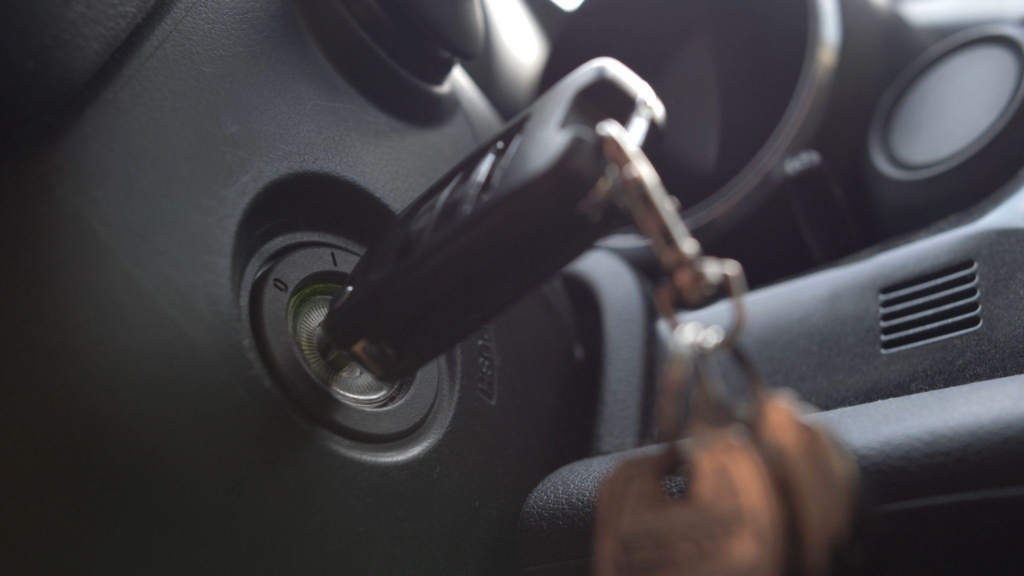
Step 1: Place the Key
Insert the key into the ignition switch.
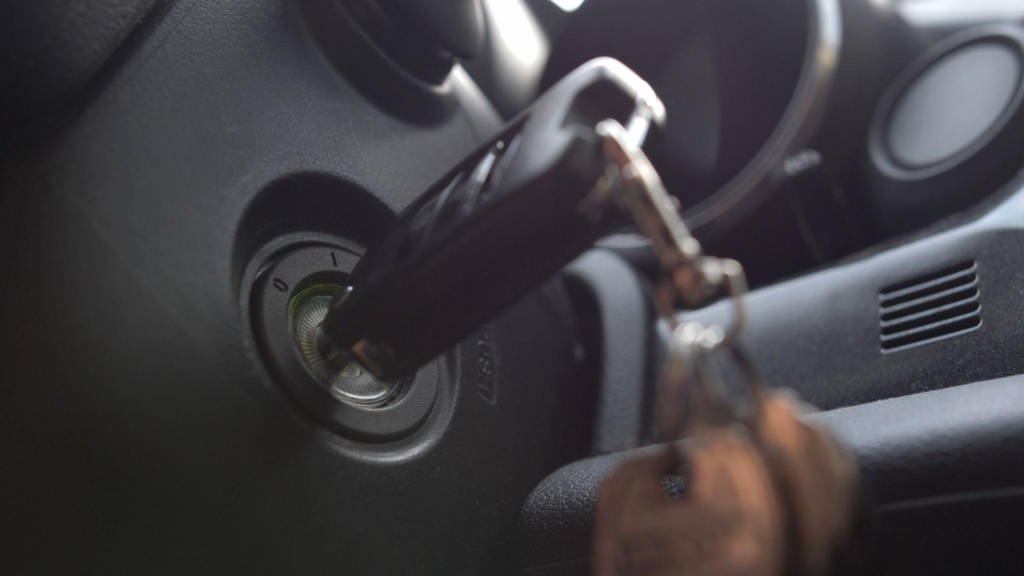
Step 2: Turn the key to ON position (
Turn the key forward one increment, and do not start the engine.”
At this point:
- And the dashboard lights up.
- Fuel pump on.
- Sensors begin to speak.
- Control modules perform self checks.
Step 3: Wait 2-5 seconds
Let the vehicle’s systems complete their start-up procedures.
4. Crank the engine
Now turn the key all the way and start the engine.
Correct fuel pressure and system readiness should produce a smoother engine start.
Advantages of pausing before starting the car
Extended fuel pump life (Don’t Start Your Car Immediately After Inserting the Key)
Letting the fuel pump do its job and prime the system can save unnecessary strain.
Enhanced Engine Performance (Don’t Start Your Car Immediately After Inserting the Key)
The quality of fuel delivery affects startup performance.
Less Starter Motor Wear (Don’t Start Your Car Immediately After Inserting the Key)
An efficient engine start reduces the load on the starter motor.
Better fuel economy (Don’t Start Your Car Immediately After Inserting the Key)
Maintaining a steady fuel pressure can contribute to smoother, more efficient combustion.
Extended Engine Life (Don’t Start Your Car Immediately After Inserting the Key)
Reducing stress at startup protects critical engine components over time.
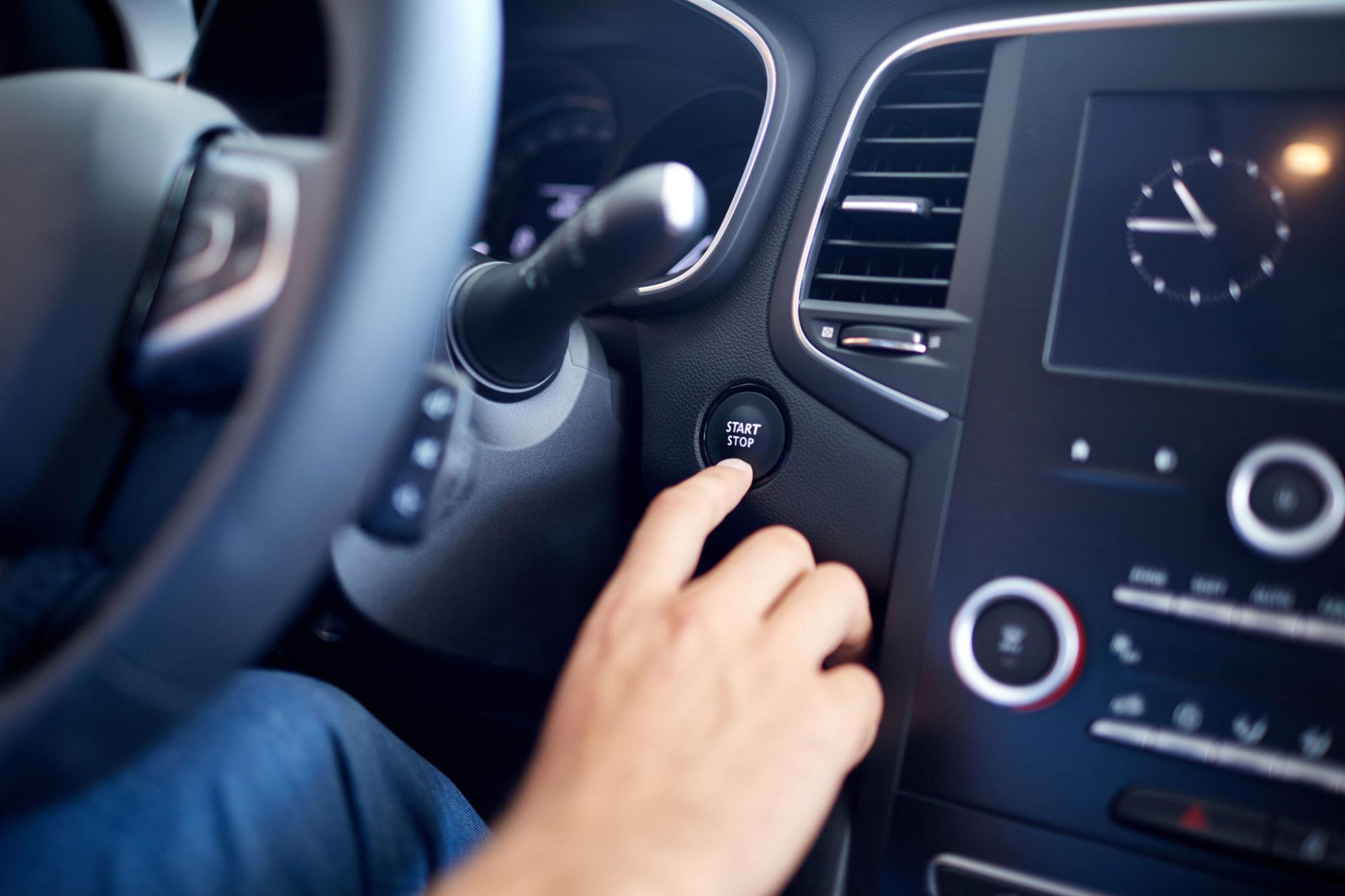
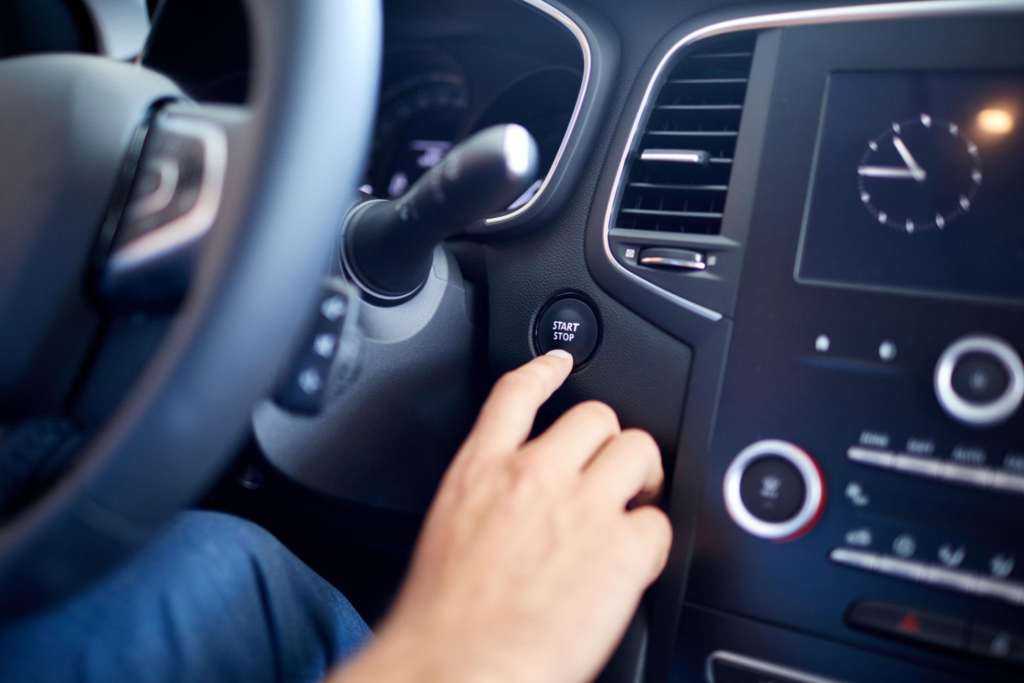
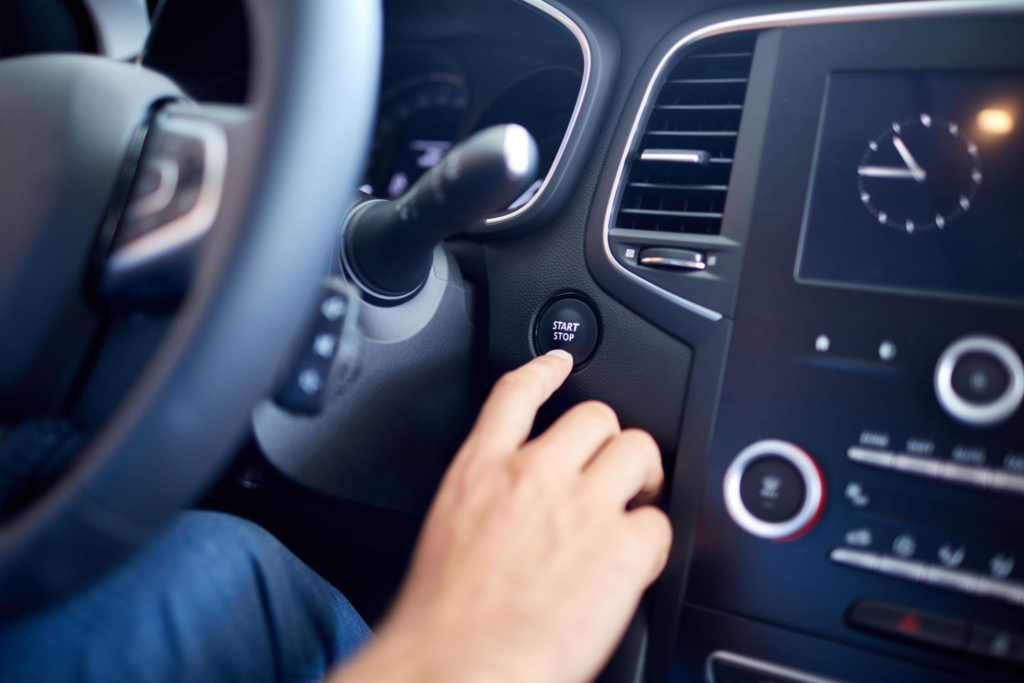
Does it apply to push-button start cars?
The Cars of Today: Push-Button
Yes, the principle is the same.
For push-button start vehicles:
- Press the start button once without holding the brake pedal .
- Wait a few seconds .
- Press the brake pedal and start the engine.
This ensures the proper initialization of the electronic systems and the fuel delivery components.
When is waiting most necessary?
Cold Weather Conditions –
Letting systems initialize in winter can improve reliability at start-up.
Older Cars
This is more beneficial to cars with aging fuel pumps and batteries.
After Long Times of No Activity
Vehicles parked for several days may take longer to develop fuel pressure.
5 Common Mistakes Drivers Make
Starting right after you turn the key
This is the most common mistake and can also hinder proper system start-up.
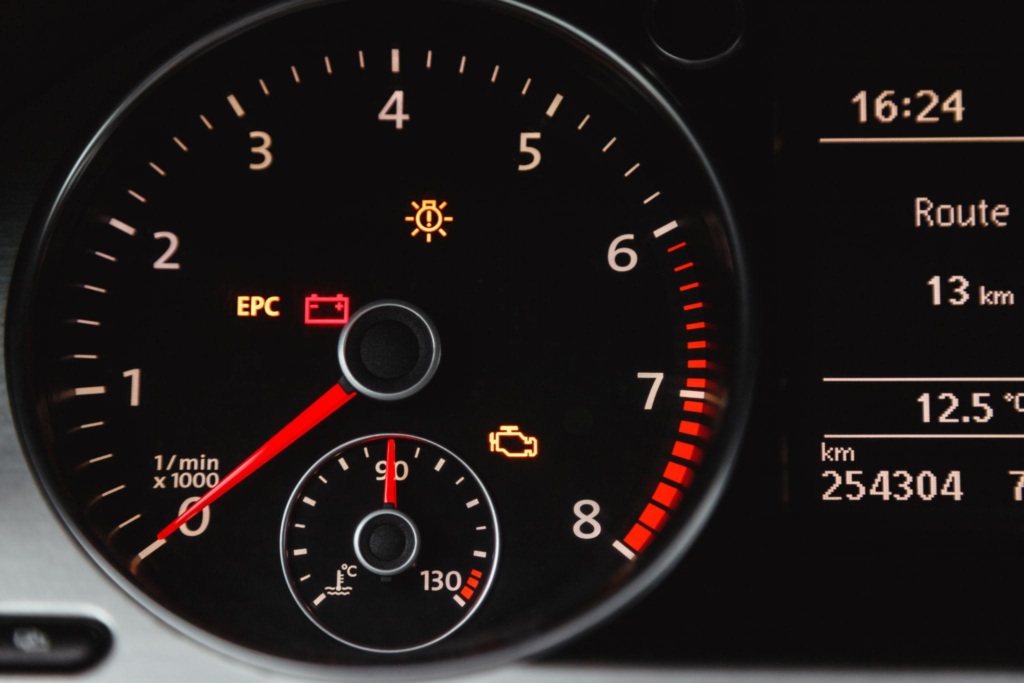
Overlooking Warning Lights on the Dashboard
Always allow warning lights to complete their startup cycle before driving.
Cranking Repeatedly
Repeatedly cranking a vehicle can damage the starter motor and battery.
Accelerating Right from the Start
Give the engine a little time to settle down before you start to accelerate hard.
Do we have to wait for every vehicle?
Most modern cars are designed to start reliably even if you crank them right out of the gate. However, it is good practice to wait a few seconds, as this is more efficient for the system and will reduce wear over time.
It might be minimal in newer cars but it can be more noticeable in older cars and high mileage vehicles.
Expert Tips for Improving Engine Health
Battery maintenance (Don’t Start Your Car Immediately After Inserting the Key)
A good battery is a must for reliable starts.
Use good fuel (Don’t Start Your Car Immediately After Inserting the Key)
Good fuel quality will ensure efficient combustion and engine performance.
Change Fuel Filters As Scheduled (Don’t Start Your Car Immediately After Inserting the Key)
A clean fuel filter will help keep proper fuel pressure.
Adhere to Service Intervals (Don’t Start Your Car Immediately After Inserting the Key)
Regular maintenance keeps ignition and fuel systems working properly.
Conclusion (Don’t Start Your Car Immediately After Inserting the Key)
You may not think that turning the key on right away is a bad thing, but waiting just 2 to 5 seconds will allow the fuel pump to build pressure and the electronic systems to finish their self-checks.
Although modern vehicles are built to cope with rapid starts, following the proper startup sequence can improve engine performance, reduce wear on key components, and extend the life of the vehicle. It’s a simple habit that takes a few seconds but could serve you well over the life of your vehicle.
Frequently Asked Questions (FAQs)
How long should I wait to start my car?
Most experts recommend waiting about 2-5 seconds after turning the key ON.
Is it more fuel efficient to wait?
It can help to ensure proper fuel pressure and smoother engine start, which can contribute to efficient operation.
Will this work on a push-button start car?
Yes. Make sure to turn on the ignition mode first, wait a few seconds then start the engine.
Will it hurt the engine to start immediately?
There are some immediate starts that are not typically harmful but always allowing systems to initialize is considered better practice.
Do we need this in new cars?
Modern cars are designed to start quickly, but it’s still a good idea to wait a few seconds for the electronics to initialize correctly.
Does it help in winter?
Yes. It can also help in starting particularly in cold-weather conditions.
Don’t Start Your Car Immediately After Inserting the Key
Read this – Kia Overtakes Maruti Suzuki in This Vehicle Segment: A Wake-Up Call for India’s Largest Carmaker
Read this –Connected Car Features Explained : Everything You Need to Know
Read this – Maruti Suzuki Brezza 2026: कीमत, माइलेज, फीचर्स और लॉन्च डेट – क्या यह बनेगी 2026 की सबसे बेस्ट SUV?..