Learn what P177B error code means , causes , symptoms , diagnostic steps and how to fix it . Find out how to prevent transmission damage & get your vehicle running right again.
What is P177B – Clutch 1 Tolerance Limit Reached?
The diagnostic trouble code (DTC) P177B – Clutch 1 Tolerance Limit Reached means that the vehicle’s transmission control system has detected that Clutch 1 is out of its acceptable operating tolerance range. It’s a common problem with automatic and dual-clutch transmissions where precise clutch engagement is critical to smooth shifting.
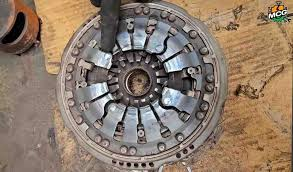
The P177B code will be stored in the transmission control module (TCM) and the check engine light may come on when there is abnormal clutch wear, too much slippage, or adaptation values are outside of the limits set by the manufacturer.
Common Causes P177B – Clutch 1 Tolerance Limit Reached
There are many different things that can cause the P177B code, including:
1. Worn Out Clutch Parts (P177B – Clutch 1 Tolerance Limit Reached)
The clutch discs and friction materials wear out over time leading to excessive slippage and adaptation problems.
2. Low or dirty transmission fluid (P177B – Clutch 1 Tolerance Limit Reached)
Dirty or low transmission fluid can affect hydraulic pressure and clutch operation.
3. Bad Transmission Control Module (TCM)
If the TCM is faulty it could be miscalculating the clutch adaptation values.
4. Problems with Hydraulic System (P177B – Clutch 1 Tolerance Limit Reached)
Leaks, damaged valves or loss of pressure in the transmission can prevent the clutch from properly engaging.
5. Faulty Sensors (P177B – Clutch 1 Tolerance Limit Reached)
Transmission speed sensors or clutch position sensors may be sending incorrect data to the TCM.
6. Transmission damage (mechanical)
Tolerance limit errors are due to damage to internal gearbox parts, worn bearings or damaged clutch packs.
P177b Symptoms
Symptoms of P177B Code When your car has the P177B code, the symptoms can be:
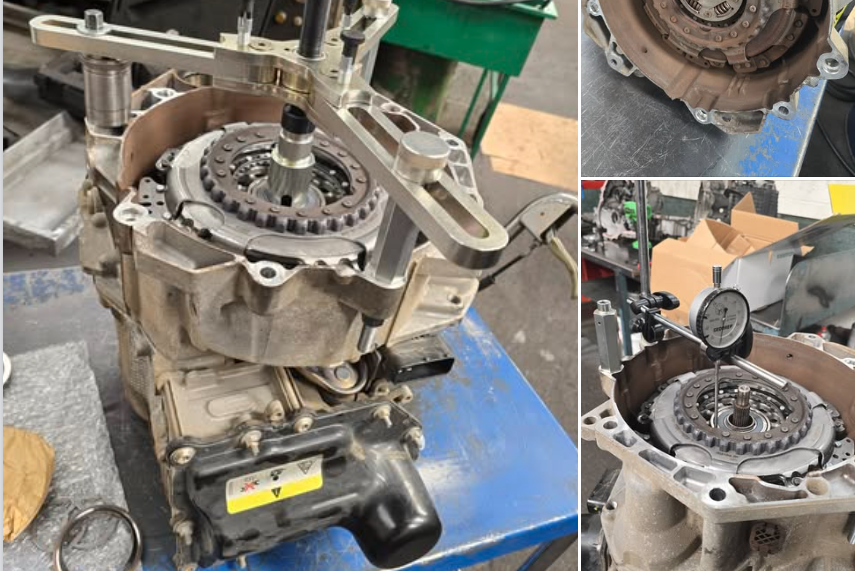
- Engine check light
- Transmission warning light illuminated
- Late gear engagement
- Hard or rough shifting
- Transmission slipping under acceleration
- Lowered vehicle performance
- Car goes into limp mode
- weird noises making transmission
Code Meaning P177B (P177B – Clutch 1 Tolerance Limit Reached)
Table of Contents
Proper diagnosis should be done before replacing any parts.
Step 1: Check for Trouble Codes.
Verify the P177B code with an OBD-II scanner and check for other transmission codes.
Step 2: Check Transmission Fluid
Check fluid level and condition. Burnt, dirty or low fluid may lead to clutch adaptation problems.
Step 3: Check Transmission Adaptation Values
Use a professional diagnostic tool to test the clutch wear and adaptation data.
Step 4: Search for Leaks
Check around the transmission, seals and fluid lines for hydraulic leaks.
Step 5: Wiring and Sensor Testing
Check transmission sensors, connectors and wiring harnesses for damage or corrosion.
6. Mechanical inspection
If the electronic systems seem to be working normally, check the clutch pack and internal transmission components.
How to Repair P177B Code
The required repair will depend on the cause found during diagnosis.
Replace Worn Clutch Parts
If the clutch pack is worn out too much, it may need to be replaced.
Transmission Fluid Service
Replace contaminated fluid and fit new transmission filter where applicable.
Hydraulic Problem Solutions
Fix leaks, faulty valves or pressure problems in the transmission system.
Replace or Reprogram PCM
Problems with adaptation can be solved by updating or replacing the software.
Change Defective Sensors
Replace the transmission speed sensors or the clutch position sensors if they are not working properly.
Reset of Transmission Adaptation
A clutch adaptation reset and relearn procedure may be necessary after repairs using a compatible diagnostic tool.
Can You Drive With a P177B Code?
It is not advisable to drive with a P177B code. Driving on it may wear the clutch further and cause more serious transmission damage. If you notice slipping, harsh shifting, or limp mode activation, have the vehicle checked immediately.
How to Avoid P177B in the Future
- Follow the transmission manufacturer’s service schedule.
- Use the right kind of transmission fluid.
- Immediately address transmission warning lights.
- Don’t drive aggressively.
- Periodically check for leaks.
- Carry out routine transmission diagnostics.
Abstract (P177B – Clutch 1 Tolerance Limit Reached)
The P177B – Clutch 1 Tolerance Limit Reached code generally means that there’s excessive clutch wear, transmission fluid issues, hydraulic issues, or control system issues. Early diagnosis and repair can avoid costly transmission damage and restore smooth shifting performance. If the code is still present after basic service, professional transmission diagnostics may be needed.
FAQ – P177B Clutch 1 Tolerance Reached
Q1. What is the meaning of P177B code?
The P177B means that Clutch 1 in the transmission has exceeded its normal operating tolerance limit, usually due to wear, slippage or transmission issues.
Q2. Can you drive with a P177B code?
While the vehicle is still drivable, it is not recommended. If you keep driving, you risk more transmission damage and expensive repairs.
Q3. What are the symptoms of P177B?
Typical symptoms can include rough shifting, transmission slipping, delayed engagement of gears, performance drop-off, limp mode activation, and a lit check engine light.
Q4. Can P177B be caused by low transmission fluid?
Yes. Dirty or contaminated transmission fluid. Low transmission fluid level. Low or dirty transmission fluid can affect the clutch operation and cause the P177B trouble code.
Q5. What is the cost to fix a P177B code?
“It depends on the reason it needs repair on how much it costs to repair,” he says. Fluid service can be cheap. Replacing a clutch pack or repairing a transmission can be far more expensive.
Q6. Will cleaning the code solve it?
Nope. Clearing the code clears the warning only temporarily. You have to diagnose and fix the underlying issue, or the code will keep coming back.
Q7. What are common vehicles that have the P177B code?
P177B is more common in vehicles with automatic or dual-clutch transmissions . Specific applications vary by manufacturer.
Read this – Kia Overtakes Maruti Suzuki in This Vehicle Segment: A Wake-Up Call for India’s Largest Carmaker
Read this –Connected Car Features Explained : Everything You Need to Know
Read this – Maruti Suzuki Brezza 2026: कीमत, माइलेज, फीचर्स और लॉन्च डेट – क्या यह बनेगी 2026 की सबसे बेस्ट SUV?..